

10 High-Margin Product Categories Every European Interior Designer Should Know
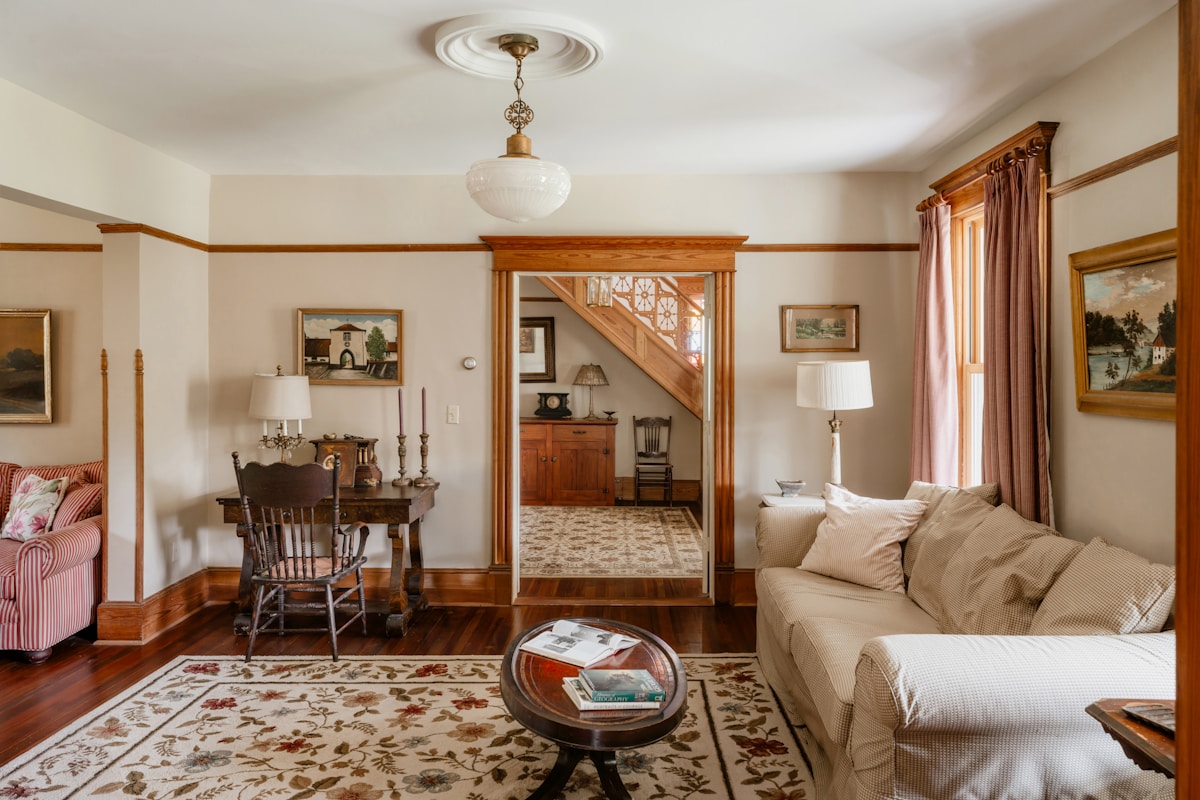
You've spent hours sourcing the perfect sofa for your client, negotiating with suppliers, coordinating delivery—only to realise you've made €200 on a €3,000 sale. Meanwhile, that throw cushion you added as an afterthought? €45 profit on a €75 item, purchased in 10 minutes online.
The difference between struggling and thriving as an interior designer often comes down to product category selection. Most designers focus on the big-ticket items whilst overlooking the fact that smaller, complementary products can deliver significantly higher profit margins with far less time investment.
This isn't about abandoning furniture specification. It's about understanding which product categories genuinely move the needle on your bottom line—and building a strategic mix that balances client expectations with your financial sustainability.
In this guide, we'll walk through 10 high-margin product categories that European interior designers can leverage today, complete with typical markup ranges, sourcing recommendations, and practical strategies for incorporating them into your projects.
Why Product Category Selection Is the Most Overlooked Profit Lever

You probably became a designer because you love creating beautiful spaces, not because you wanted to spend your evenings calculating markup percentages. But here's the uncomfortable truth: even the most talented designers struggle financially if they don't understand product economics.
The traditional model—specifying large furniture pieces and earning a modest percentage—is under pressure. Clients have access to the same online retailers you do. They can price-check your sofa recommendation in seconds. What they can't easily replicate is your eye for the perfect lampshade, your access to trade-only textile suppliers, or your ability to curate a collection of decorative objects that transform a room.
High-margin categories share several characteristics. They're often customisable, making direct price comparison difficult. They require specialist knowledge or trade access that clients lack. They're smaller items that clients perceive as "extras" rather than major purchases, reducing price sensitivity. And crucially, they take relatively little time to source compared to their profit contribution.
Consider a typical €15,000 living room project. If you focus exclusively on the sofa (€3,000, 10% margin), armchairs (€2,000, 12% margin), and coffee table (€1,200, 15% margin), you're earning roughly €780 on €6,200 of furniture—about 12.5% overall. Add strategically selected cushions, throws, lighting, and decorative objects with 50-60% margins, and suddenly that same project could yield €2,000+ profit whilst actually enhancing the design outcome.
The shift required isn't dramatic. It's about consciously including high-margin categories in every project proposal rather than treating them as afterthoughts.
Category 1: Custom Textiles and Curtains (Markup 40-60%)
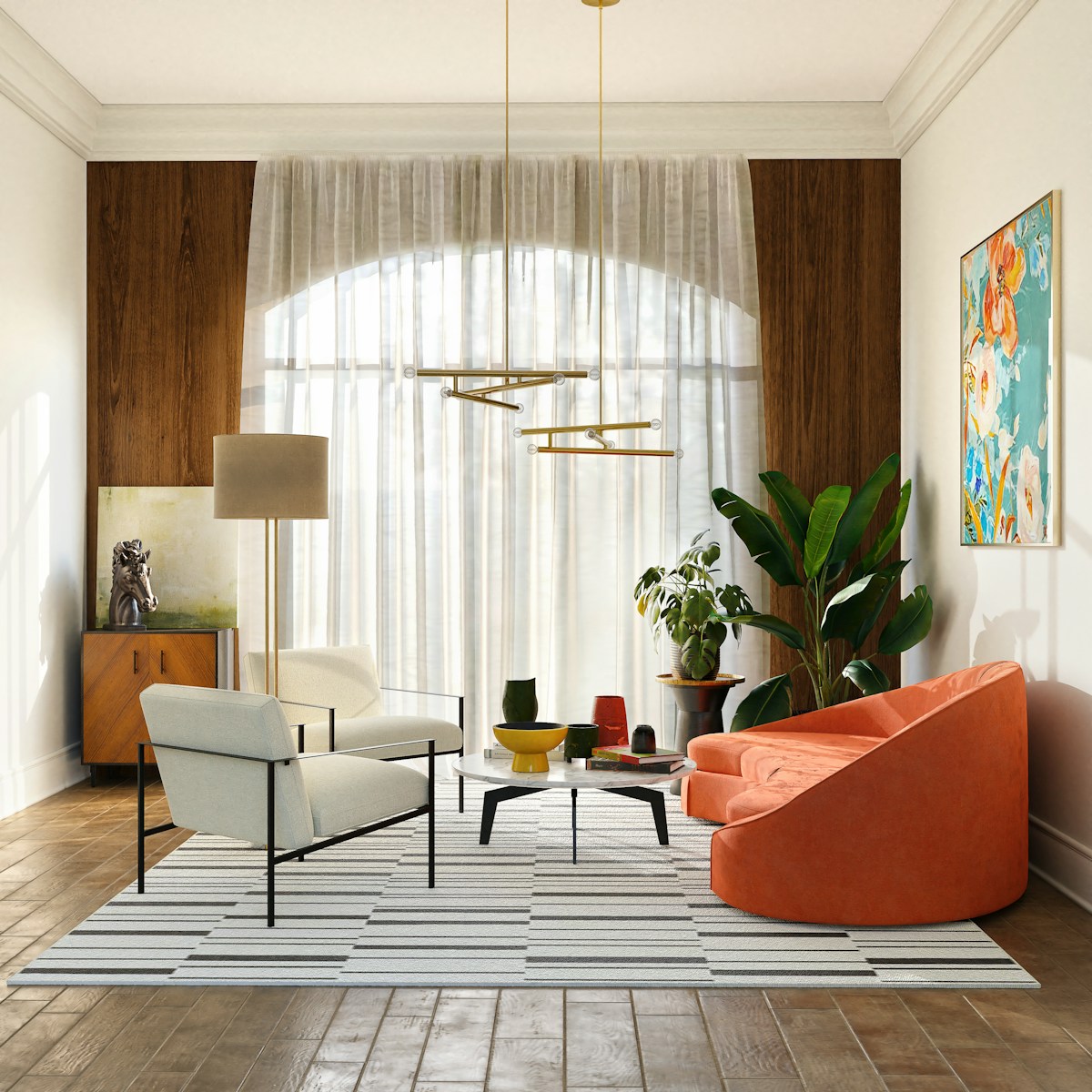
Custom window treatments and soft furnishings remain one of the most reliable profit centres for European interior designers, particularly when you're working with trade suppliers who offer bespoke making services.
A typical custom curtain project might cost €800-1,500 per window including fabric, lining, making, and hardware when sourced through trade. Your client sees this as €1,200-2,400 per window—and crucially, they have no easy way to price-check because every specification is unique. The combination of your fabric selection, heading style choice, and installer relationship creates genuine value that clients struggle to replicate independently.
The economics work because you're bundling multiple services: fabric sourcing (where you might earn 40% on the textile itself), making services (where you add 30-40%), and installation coordination. Even if you're transparent about your markup structure, clients understand they're paying for expertise and convenience.
European sourcing recommendations include Designers Guild Trade (UK/EU showrooms) for contemporary fabrics, Zimmer + Rohde (Germany) for luxury textiles, and Casamance (France) for distinctive prints. Many designers also work with local workrooms that offer trade accounts—search for "curtain makers trade accounts" in your city. Kravet Europe and Osborne & Little maintain strong trade programmes across multiple countries.
The key is developing relationships with makers who deliver consistent quality. A reliable workroom that you can trust eliminates the biggest risk in this category: callbacks for poor fitting or finishing.
Category 2: Decorative Lighting (Markup 30-50%)
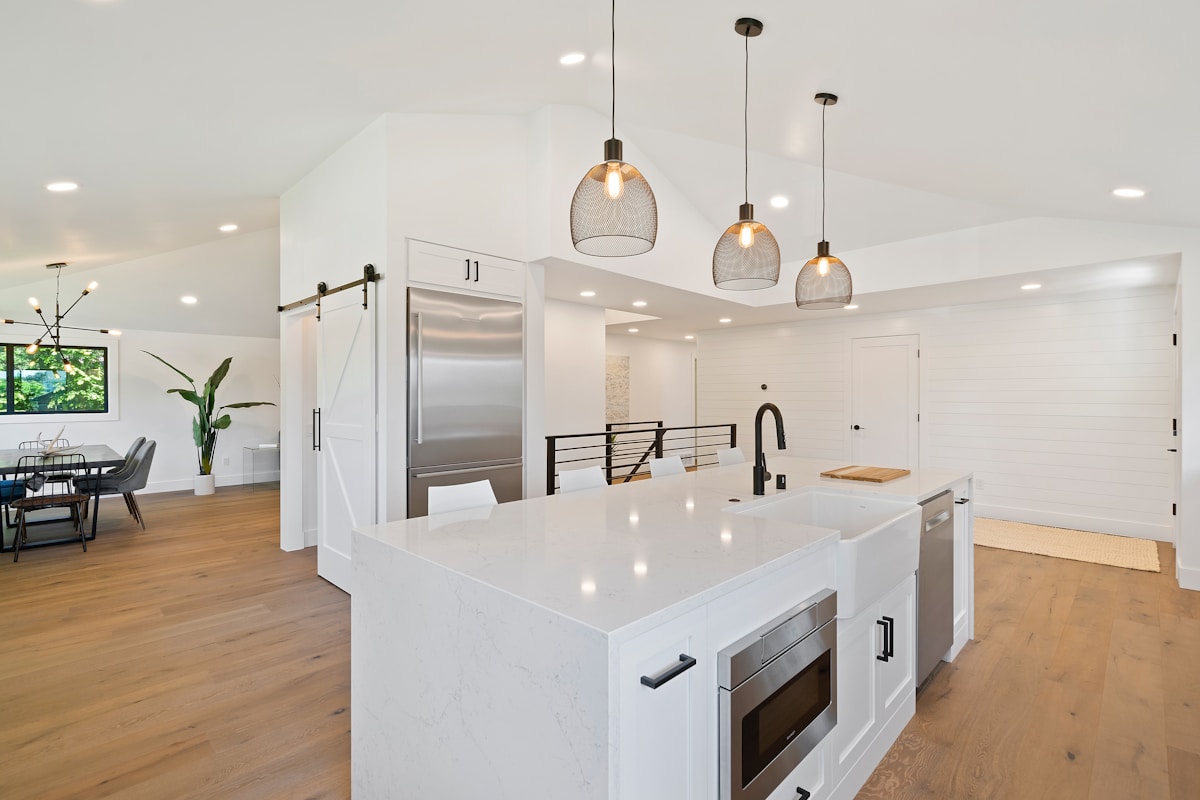
Lighting specification offers some of the best margins in interior design, particularly when you move beyond mainstream retailers into design-led or artisan producers. Clients rarely question lighting costs because they don't understand the technical requirements, and they value your ability to solve both functional and aesthetic challenges.
Standard decorative pendant lights from design brands typically retail at €300-800, with trade prices 30-40% lower. Table lamps range from €200-600 retail. Statement chandeliers or custom installations can reach €2,000-5,000+ with healthy margins maintained throughout. The sweet spot is often mid-range design lighting (€400-1,200 retail) where clients expect to pay for quality but aren't yet hiring specialist lighting consultants.
You're not just selling a product—you're selling your knowledge of beam angles, colour temperatures, dimming compatibility, and spatial proportion. That expertise justifies your markup even when clients could theoretically find similar fixtures elsewhere.
Source from Flos and Artemide (Italy) for modern classics, Foscarini for sculptural pieces, and Marset (Spain) for contemporary design. Louis Poulsen (Denmark) offers timeless pieces that clients recognise and value. For more accessible price points, Muuto and &Tradition provide design-led options with solid trade terms. Many European designers also work with local makers on Etsy or Instagram for truly unique pieces—just ensure you formalise trade terms before committing to client projects.
Consider offering lighting packages rather than specifying fixtures individually. A €3,000 whole-room lighting scheme feels more valuable than five separate purchases, and it allows you to balance a statement piece (lower margin) with multiple smaller fixtures (higher margin).
Category 3: Wall Art and Prints (Markup 50-70%)

Art curation is one of the highest-margin categories available to interior designers, yet many practitioners avoid it, fearing they lack gallery-level expertise. Your clients aren't looking for investment-grade art—they need help selecting pieces that complete their rooms at appropriate scale and budget.
Limited edition prints typically cost €100-300 trade and sell for €250-800 retail depending on artist recognition and edition size. Framing adds another layer of margin: a €150 custom frame job might cost you €80-100 through a trade framer. Original works from emerging artists can range from €500-2,000 with flexible pricing that allows 40-60% margins depending on your relationship with the artist or gallery.
The markup is justifiable because you're solving a problem most clients find overwhelming. They don't know how to judge quality, they're unsure about sizing, and they're intimidated by galleries. You're providing curation, scale guidance, and coordination—genuine services beyond product supply.
European sources include JUNIQE (Germany) for accessible design prints with trade accounts, The Poster Club (Denmark) for Scandinavian aesthetic, and King & McGaw (UK) for classic and contemporary art prints. Develop relationships with local galleries and artist studios—many offer trade terms once you demonstrate you're a repeat customer. Saatchi Art and Artsy both have trade programmes that serve the European market.
Create a standard art package for typical room sizes: perhaps a €1,200-1,800 collection for a living room including one large piece and two smaller works. Clients appreciate the simplicity, and you can control your margin across the bundle.
Category 4: Bathroom Accessories (Markup 35-55%)
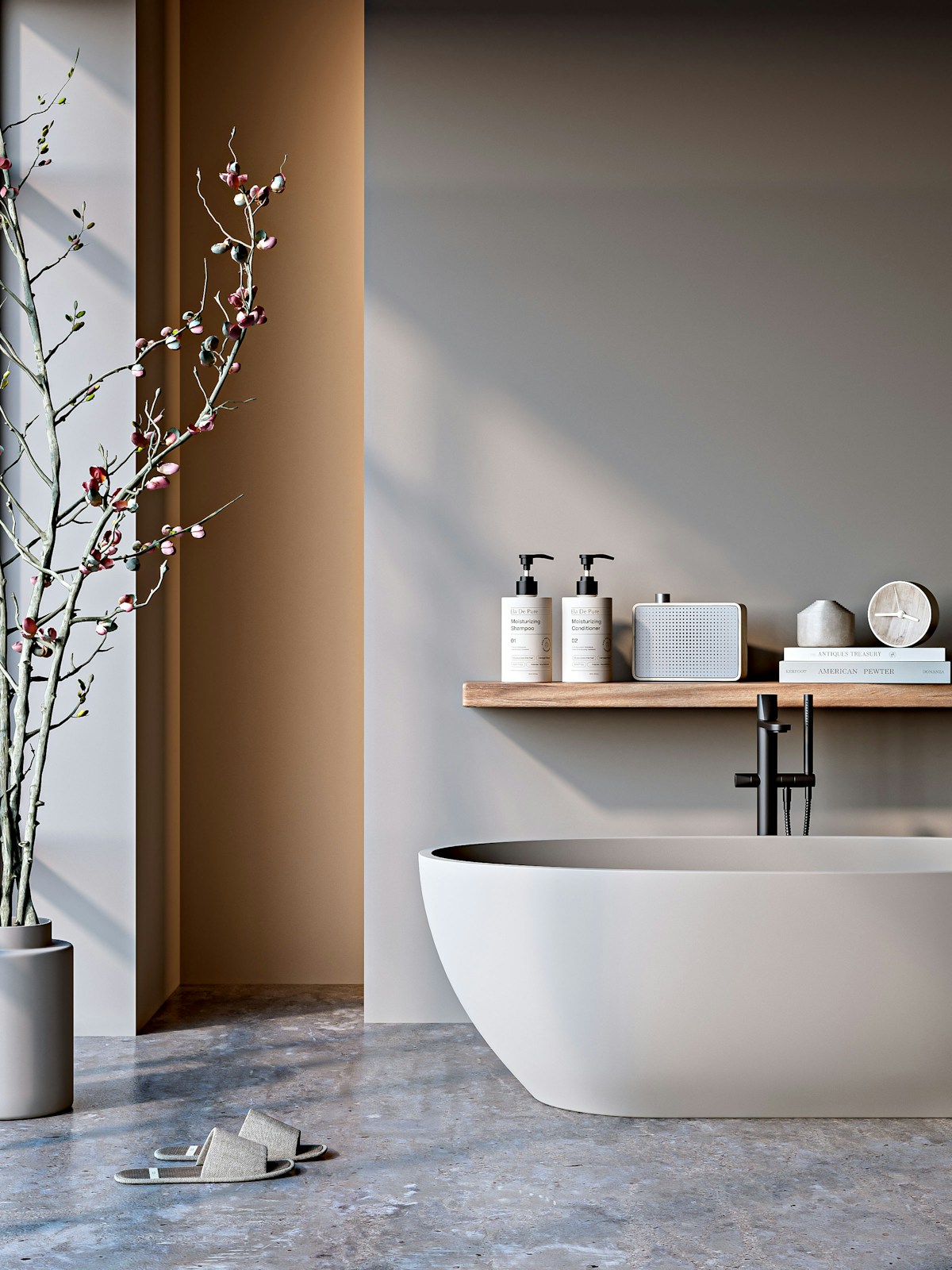
Bathroom finishing touches are remarkably profitable because clients often underestimate what they need until you specify the complete list. A properly accessorised bathroom requires 15-25 items beyond sanitaryware and tiles—and each one represents a margin opportunity.
Soap dispensers, toothbrush holders, towel rails, toilet brushes, bins, mirrors, shelving, hooks, bath mats, and storage containers typically retail from €20-150 per item. Your trade price might be 35-45% below retail for premium brands. A complete bathroom accessory package could total €800-1,500 retail with €300-700 profit depending on your product selection.
The beauty of this category is that clients rarely price-shop individual items. They're exhausted from tile and sanitaryware decisions, and they trust you to pull together the finishing touches. As long as your overall bathroom budget is reasonable, specific accessory pricing flies under the radar.
Source from Blomus (Germany) for minimalist design, Aquanova (Netherlands) for luxury bath linens and accessories, and Zone Denmark for Scandinavian functionality. Wireworks (UK) offers clever storage solutions with good trade margins. Zara Home and H&M Home have surprisingly strong bathroom ranges at accessible price points—though margins are tighter, they're useful for budget-conscious projects. Amara and Wayfair Professional both serve European designers with extensive bathroom categories.
Bundle accessories by room rather than itemising every soap dish. A "Master Bathroom Accessories Package - €1,200" is easier to sell than 18 line items that invite scrutiny.
Category 5: Kitchen Hardware (Markup 30-45%)

Cabinet hardware is a small-ticket category that adds up quickly on kitchen projects. A typical kitchen requires 20-40 handles and knobs, turning a €15-25 per-item purchase into a €600-1,500 total specification with solid margins throughout.
High-end hardware retails at €25-80 per piece (handles) or €15-40 per piece (knobs). Your trade price might be 30-40% lower, particularly when ordering in quantity. Luxury brands can reach €100+ per handle, though most residential projects sit in the mid-range. The key is that clients perceive hardware as part of the overall kitchen investment rather than as individual purchases, reducing price sensitivity.
You're also solving a genuine problem: hardware selection dramatically affects kitchen aesthetics, but most clients struggle to visualise the impact of different styles. Your expertise in matching hardware to cabinet style, worktop material, and overall design direction justifies your margin.
Source from Armac Martin (UK) for classic and contemporary designs, Beslag Design (Sweden) for Scandinavian minimalism, and Olivari (Italy) for architectural hardware. Buster + Punch offer industrial-luxe options that photograph beautifully. Traditional brands like From The Anvil and Nanz maintain premium positioning with corresponding trade terms. For more accessible projects, Emtek and Amerock via European distributors provide good quality at mid-range prices.
Specify hardware as a complete set in your proposals: "Kitchen Hardware Package (32 handles, 8 knobs) - €1,800". This presents hardware as a considered design decision rather than an itemised shopping list.
Category 6: Cushions and Throws (Markup 40-60%)

Soft furnishings deliver some of the highest margins in interior design whilst requiring minimal time investment. A well-curated selection of cushions and throws can add €500-1,200 to a project with very little effort once you've established reliable suppliers.
Designer cushions retail at €60-150 each, with trade prices typically 40-50% lower. Luxury throws range from €150-400 retail. A typical sofa styling might include 4-6 cushions and 1-2 throws—call it €600-1,200 retail with €300-600 profit margin. The economics are extraordinary compared to the time invested: perhaps 20 minutes of selection and ordering.
Clients expect to pay premium prices for quality textiles, and they value your ability to create a pulled-together look through colour, pattern, and texture coordination. Unlike furniture, there's no direct price comparison because you're selecting specific fabric and size combinations that create a unique outcome.
Source from Ligne Roset (France) for contemporary design, Missoni Home (Italy) for distinctive patterns, and The Conran Shop trade programme for curated selections. Anthropologie EU offers trade accounts with good margins on eclectic styles. Consider working with independent textile designers on platforms like Not On The High Street or Etsy—margins can reach 60% if you're buying directly from makers, though minimum orders may apply.
Specify soft furnishings as a complete styling package: "Sofa Styling Collection (5 cushions, 2 throws) - €850". This positions your selection as a curated solution rather than individual purchases that clients might decide to skip or source themselves.
Category 7: Rugs (Markup 30-50%)
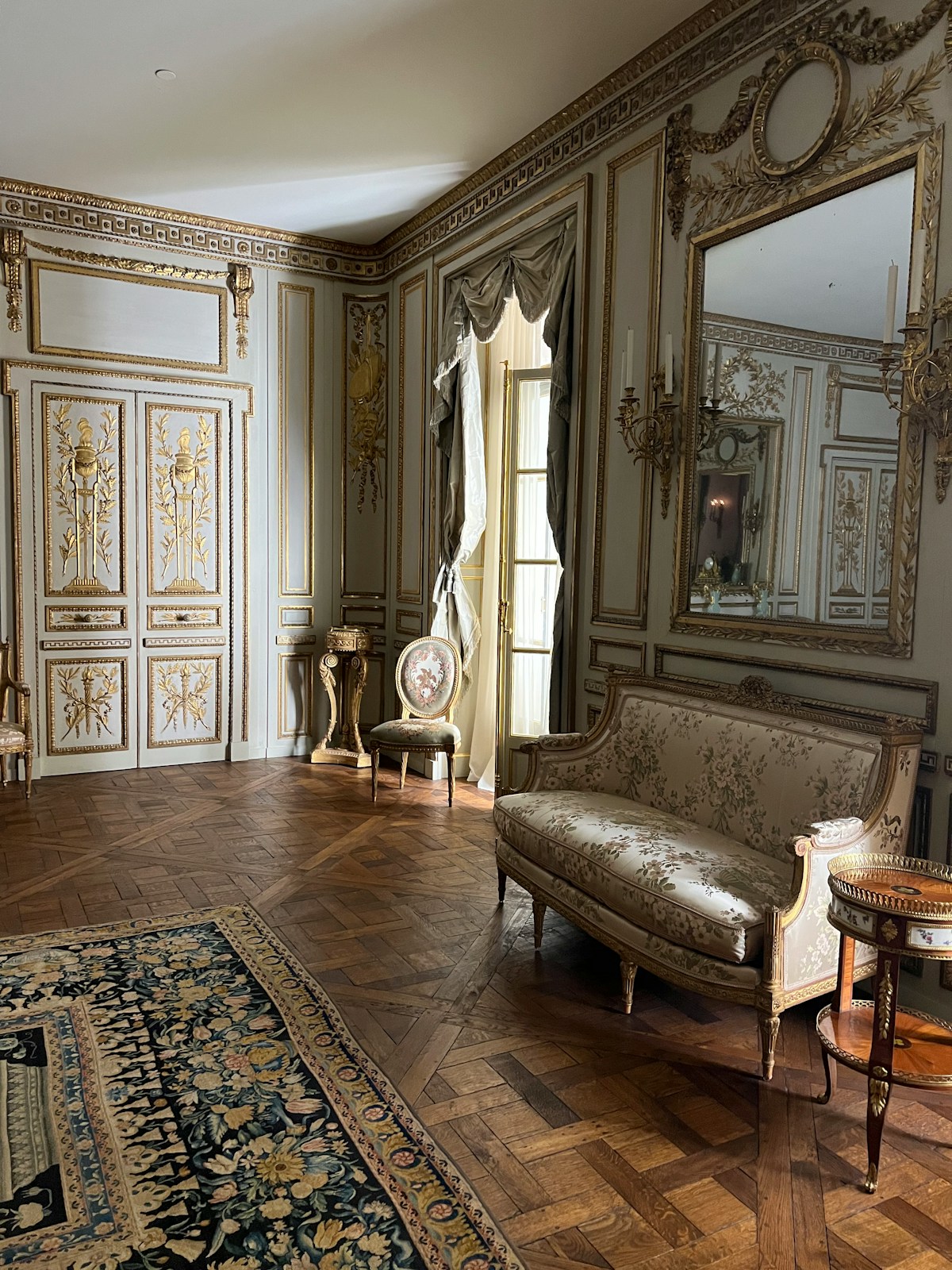
Rug specification sits in an interesting position: large enough that clients take the purchase seriously, but specialised enough that they value your guidance. Most clients visit one or two rug retailers, feel overwhelmed, and gratefully accept your recommendation—particularly when you can arrange delivery and returns through trade accounts.
Contemporary rugs typically retail at €400-1,500 for living room sizes (200×300cm), with trade prices 30-40% below retail for design brands. Hand-knotted or custom rugs can reach €3,000-8,000+ with margins maintained at 25-35% even at higher price points. The sweet spot for most residential projects is €800-2,000 retail where you're balancing quality, design impact, and client budget comfort.
Your value lies in understanding pile height, material performance, colour fastness, and scale—knowledge most clients lack. You're also coordinating delivery timing and managing the approval process, which justifies your markup beyond pure product supply.
Source from The Rug Company (UK/EU) for luxury contemporary rugs, Linie Design (Denmark) for Scandinavian aesthetics, and Benuta across Europe for accessible design-led options. Nanimarquina (Spain) offers distinctive designs with good trade terms. Osta and Asiatic Carpets maintain extensive trade programmes. For custom work, consider Turkish or Indian rug makers accessible through trade fairs like Domotex or through established importers.
Specify rugs early in the project timeline and include sizing rationale in your proposals. "Living Room Rug - 250×300cm, hand-tufted wool/viscose blend - €1,650" demonstrates thought beyond product selection.
Category 8: Candles and Scent (Markup 50-70%)

Scent specification is one of the most overlooked profit opportunities in residential interior design. Premium candles and diffusers command luxury pricing, clients perceive them as small indulgences rather than major purchases, and the margins are exceptional.
Designer candles retail at €40-80 each, with trade prices often 50-60% below retail. Reed diffusers range from €50-120 retail. A complete scent package for a home—perhaps 6-8 candles and 2-3 diffusers for different rooms—could total €500-800 retail with €300-500 profit. The time investment is negligible: 15 minutes to select appropriate scents from your preferred supplier.
The justification is sensory design expertise. You understand how scent interacts with space, how to avoid competing fragrances, and which scent profiles suit different room functions. Clients appreciate guidance in an area where they feel uncertain.
Source from Diptyque Paris (trade accounts available through EU distributors) for recognised luxury, Byredo (Sweden) for contemporary scent design, and Cire Trudon (France) for heritage prestige. Skandinavisk offers Scandi-luxe positioning at accessible price points with good trade margins. British brands like Earl of East, Plum & Ashby, and Rowen + Wren offer excellent quality with 50-60% trade discounts. For larger projects, consider working directly with perfumers to create signature scents—margins can exceed 70% but minimums typically start around 50-100 units.
Bundle scent specification by floor or by function: "Ground Floor Scent Collection (3 candles, 1 diffuser) - €280" feels more considered than itemising individual candles that clients might eliminate to save costs.
Category 9: Decorative Objects (Markup 45-65%)
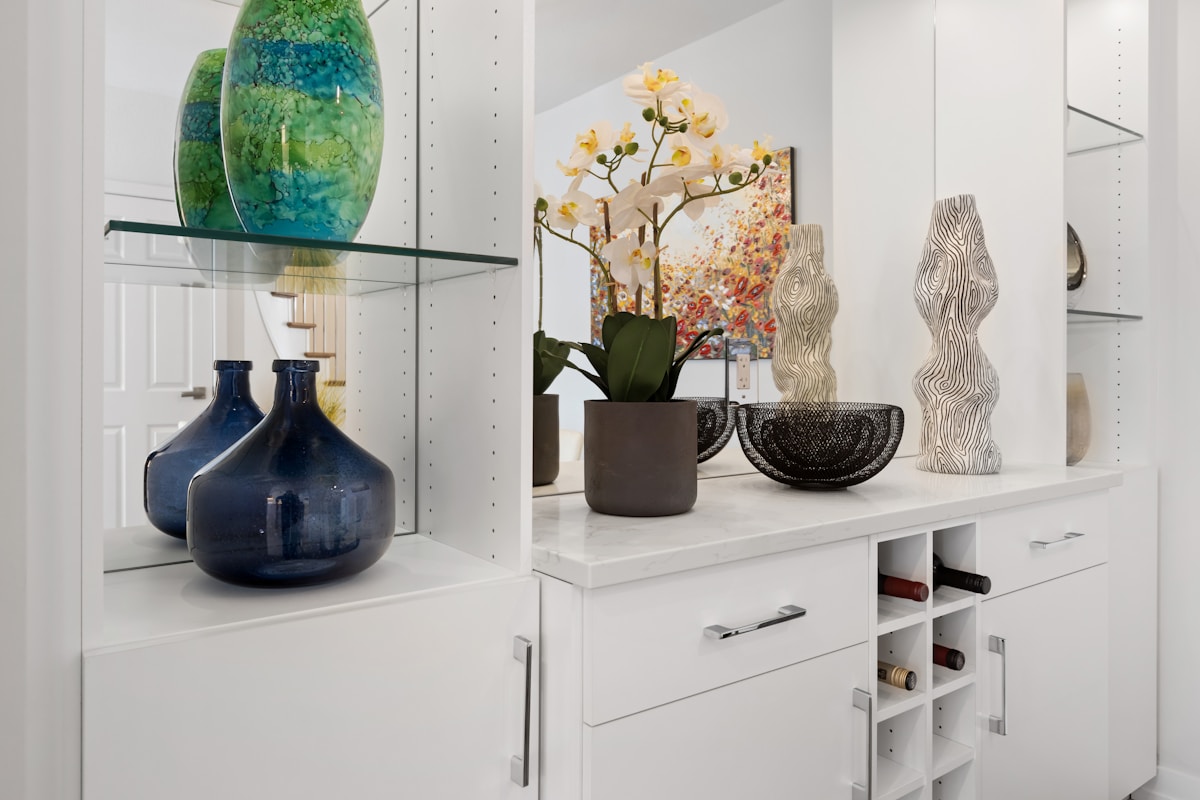
Sculptural objects, vases, bowls, and decorative accessories transform styled spaces from empty rooms to photographable interiors. This category encompasses everything from €30 ceramic vessels to €800 sculptural pieces—and nearly all of it carries margins of 45-65% when sourced thoughtfully.
Small objects (€30-80 retail) might include ceramic vases, decorative boxes, bookends, and sculptural bowls. Medium pieces (€100-250 retail) encompass larger vases, art objects, and decorative trays. Statement sculptures or design objects can reach €400-1,000+ retail. A well-accessorised room might include €400-1,200 worth of decorative objects with €250-750 profit contribution.
Your expertise in scale, proportion, material mixing, and composition justifies the markup. Clients struggle to style shelving, mantels, and surfaces—your ability to select objects that feel curated rather than random is a genuine service they're willing to pay for.
Source from HAY (Denmark) for accessible design objects, Ferm Living for contemporary Scandinavian pieces, and Serax (Belgium) for artisan ceramics. British brands like LSA International offer glassware and objects with good trade terms. Develop relationships with ceramicists and makers at craft fairs and design markets—purchasing directly from artists can yield 60-70% margins whilst supporting independent makers. Platforms like Industry+ and Faire connect designers with independent producers offering trade pricing.
Consider creating standard accessory packages by room type: "Living Room Styling Collection - €950" might include 8-12 carefully selected objects that you know work well together. Clients appreciate the simplification, and you can photograph these groupings for future projects.
Category 10: Bespoke and Custom Furniture (Markup 25-40%)

Custom furniture might seem like lower margin territory compared to smaller accessories, but it offers something equally valuable: differentiation. When you're specifying genuinely bespoke pieces, direct price comparison becomes impossible, protecting your margin even if it's modest percentage-wise.
A custom upholstered ottoman might cost €400-600 to produce and retail at €800-1,200. A bespoke sideboard could run €2,000-3,500 in production costs with €3,000-5,500 client pricing. Built-in joinery can range dramatically from €5,000-25,000+ depending on complexity, with margins of 25-35% sustainable throughout.
The economics work because you're bundling design, specification, maker coordination, and installation management. Even a 30% margin on a €10,000 built-in unit yields €3,000 profit—and that one project might involve less total time than sourcing and coordinating 15 different accessories across multiple suppliers.
Source from local cabinet makers and upholsterers who can accommodate your design specifications. This category requires relationship building: visit makers, understand their capabilities, see examples of their work, and formalise trade terms before committing to client projects. Consider establishing preferred maker relationships where you commit to regular work in exchange for priority scheduling and guaranteed pricing. Platforms like The Rife and Guild of Master Craftsmen can help locate skilled artisans. For upholstery specifically, investigate trade workrooms that serve the design industry—search terms like "upholstery trade services" or "contract upholstery" in your region.
The key is developing a roster of reliable makers across different specialisms: one excellent upholsterer, one skilled cabinet maker, one metalworker for occasional custom pieces. These relationships become competitive advantages that clients cannot replicate independently.
The Product Mix Strategy: Balancing High-Margin Accessories with Low-Margin Anchor Furniture
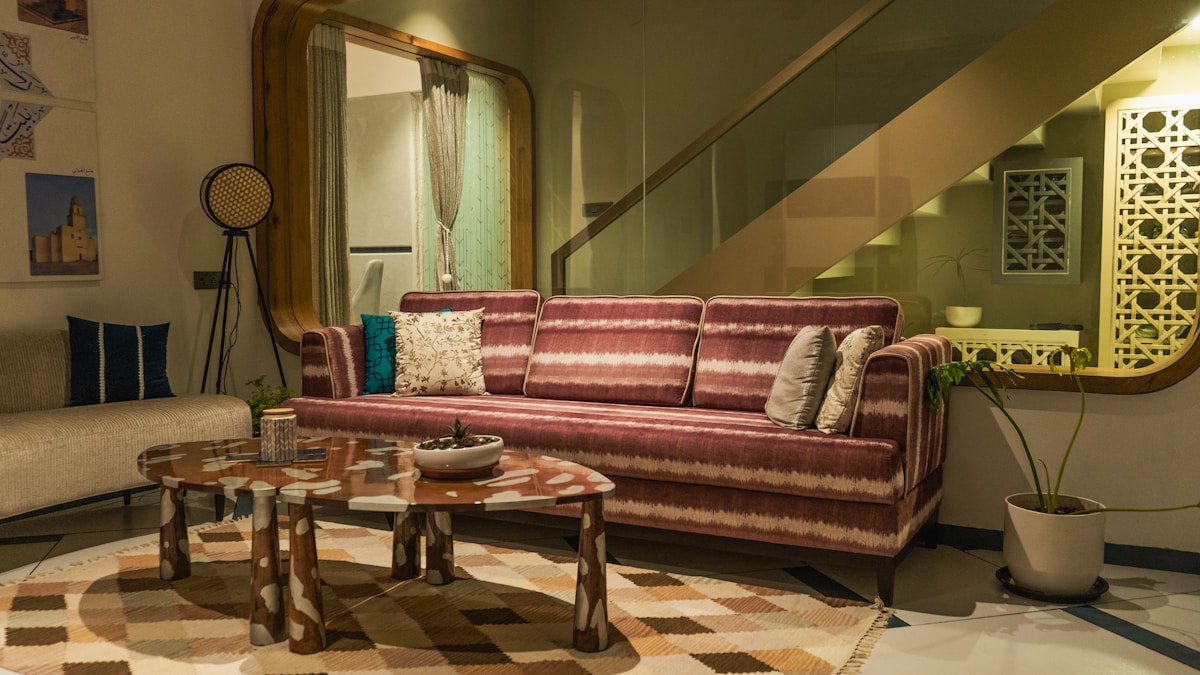
Understanding individual category margins matters little if you don't apply that knowledge strategically across entire projects. The most profitable designers build a deliberate product mix that balances client expectations, design outcomes, and financial sustainability.
Think of your project budget as having three layers. Foundation pieces (sofas, beds, dining tables) anchor the space and meet functional requirements, but they often carry modest margins of 10-20% because clients research these purchases thoroughly. Mid-layer items (occasional chairs, side tables, bedroom storage) might yield 20-30% margins—still competitive but not extraordinary. The profit multiplier layer includes all the categories we've discussed: lighting, textiles, accessories, and finishing touches that can deliver 40-70% margins.
A €30,000 living/dining project might break down as: €12,000 in foundation furniture (15% margin = €1,800 profit), €8,000 in mid-layer pieces (25% margin = €2,000 profit), and €10,000 in high-margin categories (50% average margin = €5,000 profit). Total project profit: €8,800, or 29% overall. Remove that final layer and you're earning €3,800 on the same project—less than half the profit for similar effort.
The strategy is not to abandon furniture specification—clients expect complete room solutions. Rather, consciously include high-margin categories in every proposal from the outset. When you present a living room design, include the lighting plan, the rug, the cushion selection, the styling objects, and the window treatments alongside the furniture. Present the complete vision, not a furniture list with accessories added as afterthoughts.
This approach serves your clients better too. They receive fully resolved rooms that photograph beautifully and function completely. The alternative—delivering furniture layouts and hoping clients will accessorise appropriately—leads to disappointing outcomes that don't showcase your work effectively.
Build proposal templates that automatically include all relevant categories. Your living room template should prompt you to specify: seating, tables, storage (foundation), lighting, window treatments, rug (mid-layer), cushions, throws, art, decorative objects, scent (profit multiplier). This systematic approach ensures you never leave margin on the table through simple omission.
Making It Practical: Implementation Steps for Your Next Project
Reading about high-margin categories means nothing if you don't actually incorporate them into your workflow. Here's how to implement this knowledge starting with your very next project.
First, audit your current proposals. Pull your last 3-5 completed projects and categorise every specified item by margin level: low (0-20%), medium (20-35%), high (35%+). Calculate what percentage of each project budget fell into each category. Most designers discover that 60-80% of project value sits in low-margin territory—this awareness alone often drives immediate behaviour change.
Second, create category checklists for each room type you commonly design. Your living room checklist might read: foundation furniture (sofa, chairs, tables, storage), lighting (ceiling, table lamps, floor lamps), textiles (curtains, cushions, throws, rug), art (walls), accessories (styling objects, scent). When you start a new project, work through the checklist systematically rather than specifying opportunistically.
Third, establish trade accounts with 2-3 suppliers in each high-margin category you want to pursue. You don't need dozens of relationships—you need reliable partners you can turn to repeatedly. Prioritise suppliers offering: clear trade terms (ideally 40%+ discount from retail), reasonable minimums (you should be able to order single items for most categories), and designer-friendly policies (easy returns, good lead times, responsive customer service).
Fourth, build your margin assumptions into your fee structure. If you're earning 40-50% margins on a significant portion of specified products, you may be able to reduce your design fee percentage slightly whilst maintaining overall profitability. Alternatively, maintain your current fees and simply improve your project profitability. Both approaches work—the key is conscious decision-making rather than accidentally underpricing because you don't know your true project economics.
Consider using project management tools to track margins by category across all your projects. Even a simple spreadsheet showing project name, total value, and margin by category gives you data to refine your approach over time. After 10-15 projects, you'll see clear patterns: perhaps your lighting margins are consistently strong but your textile margins are disappointing because you're using the wrong suppliers. That insight allows continuous improvement.
For designers exploring this approach for the first time, start small. Take your next modest project—perhaps a single room refresh—and consciously incorporate high-margin categories throughout. Specify the complete lighting scheme, include a full textile package, add decorative objects and art. Calculate your actual margin at project completion. Compare it to your typical project profitability. The difference often provides all the motivation needed to permanently adjust your specification approach.
Tools to Support Category-Based Specification
Managing multiple product categories across numerous suppliers can feel overwhelming, particularly when you're trying to track trade pricing, lead times, and margin calculations simultaneously. This is exactly where digital tools designed for interior designers provide genuine value.
ArcOps includes product search filtering by category and margin potential, allowing you to quickly identify items that meet both your design vision and your profitability targets. Rather than manually calculating whether that ceramic vase delivers adequate margin, you can filter your product library to show only items meeting your minimum margin threshold—perhaps 40%+ for accessories, 25%+ for furniture.
The benefit isn't just time savings (though that matters). It's decision-making support at the moment you're building proposals. When you can instantly see that Custom Textile Supplier A offers 45% margin whilst Supplier B offers 32%, you can make informed sourcing decisions rather than discovering your margin shortfall after you've already committed to clients.
Beyond margin tracking, category-based organisation helps you build comprehensive proposals more systematically. Instead of randomly remembering to add cushions to some projects but not others, a category checklist integrated into your proposal workflow ensures nothing profitable gets overlooked.
This isn't about replacing your design judgment with software logic. It's about supporting your expertise with data that helps you build sustainable, profitable projects whilst maintaining the design standards your clients expect.
Key Takeaways: High-Margin Category Comparison
| Product Category | Typical Markup Range | Retail Price Range (EUR) | Why It Works | Time Investment |
| Custom Textiles & Curtains | 40-60% | €800-2,400 per window | Bespoke specifications prevent price comparison; bundled services (fabric + making + installation) | Medium (initial sourcing relationship building required) |
| Decorative Lighting | 30-50% | €300-5,000+ per fixture | Technical expertise justifies markup; clients value design + functional guidance | Low-Medium (straightforward once you know reliable brands) |
| Wall Art & Prints | 50-70% | €250-2,000+ per piece | Curation service solves overwhelming client problem; scale and framing expertise adds value | Low (quick selection once you establish artist/gallery relationships) |
| Bathroom Accessories | 35-55% | €20-150 per item; €800-1,500 complete package | Clients underestimate requirements; bundled presentation reduces scrutiny | Low (can be specified quickly as complete packages) |
| Kitchen Hardware | 30-45% | €15-80 per piece; €600-1,500 typical kitchen | Part of larger kitchen investment; quantity minimises per-item price awareness | Low (straightforward once style is determined) |
| Cushions & Throws | 40-60% | €60-150 per cushion; €150-400 per throw | Minimal time investment for strong margin; styling expertise clearly demonstrated | Very Low (perhaps 20 minutes per project) |
| Rugs | 30-50% | €400-8,000+ depending on size/quality | Specialised knowledge (materials, scale, performance) justifies markup; delivery coordination adds value | Medium (requires understanding of client needs and space requirements) |
| Candles & Scent | 50-70% | €40-120 per item; €500-800 complete home package | Sensory design expertise; perceived as small luxury purchases with low price resistance | Very Low (15-minute selection for most projects) |
| Decorative Objects | 45-65% | €30-1,000+ per piece | Styling and composition expertise clearly visible; objects transform spaces photographically | Low-Medium (quick selection but requires good eye for groupings) |
| Bespoke/Custom Furniture | 25-40% | €800-25,000+ depending on complexity | Eliminates price comparison entirely; bundled design + making + coordination services | High (requires maker relationship management and detailed specification) |
Strategic insight: The highest-margin categories (art, scent, decorative objects, textiles) require the least time investment once you've established supplier relationships. This makes them ideal for improving project profitability without proportionally increasing workload.
The categories requiring more time investment (custom furniture, rugs, complex lighting schemes) often yield lower percentage margins but higher absolute profit on larger projects. A balanced approach incorporates both: quick-win accessories that boost margin with minimal effort, plus strategic custom elements that differentiate your work and justify premium positioning.
Action step: Identify the 2-3 categories from this list that align with your design aesthetic and current client base. Establish trade accounts with reliable suppliers in those categories this month. Incorporate them into your next three projects systematically. Measure the margin impact. Expand to additional categories once these become habitual.
Frequently Asked Questions
How do I justify high margins to clients who question my pricing?
You're not justifying product margins—you're articulating the value of your complete service. When clients ask about pricing, redirect the conversation from individual item costs to the outcome you're delivering: a cohesive design that solves their problems, saves them research time, coordinates delivery and installation, and provides access to trade-only resources they cannot reach independently. Most pricing objections dissolve when clients understand they're purchasing expertise and service, not simply marked-up products. If you encounter persistent price resistance, it often indicates a client-fit issue rather than a pricing problem. The clients who value interior design services understand that designers earn margin on products—this is standard industry practice, not an uncomfortable secret to hide.
Should I disclose my trade pricing and markup to clients?
Disclosure approaches vary by market and designer preference, but most successful European designers do not itemise their trade cost versus client price. Your proposals should show clear pricing for what clients receive—"Custom Curtains, Fabric, Making, Installation - €1,800 per window"—but you're under no obligation to reveal your supplier costs or margin percentages. You're pricing your service (expertise + coordination + access), not merely reselling products. If clients specifically request trade pricing transparency, you can explain: "My pricing reflects the complete service including design, sourcing, coordination, and installation management. I don't separate product cost from service because you're purchasing a complete solution, not individual components." Stand confidently in your pricing. The moment you apologise for your margins is the moment clients sense weakness and push for discounts.
What if clients want to purchase items directly to "save money"?
This situation reveals either a communication failure or a client-fit problem. Properly positioned designers make clear from initial engagement that they specify and procure products as part of their service—this is how the industry functions. When clients attempt to bypass you and purchase directly, remind them: many of your sources require trade accounts they cannot access; you cannot guarantee design outcomes when you don't control product procurement; and your warranty and post-installation support only covers items you supply. Offer a clear choice: complete service including procurement, or design-only consulting at an appropriately higher hourly rate that compensates for lost product margin. Most clients choose the complete service when you present it confidently. Those who don't are typically budget-constrained clients who weren't good fits for your services anyway.
How do I find trade suppliers willing to work with smaller designers?
Start with online trade platforms that welcome individual designers: Industry+, Faire, and Ahalife all offer trade pricing without minimum order requirements. Many established brands (HAY, Ferm Living, &Tradition, etc.) provide trade accounts to sole practitioners—simply complete their trade application with your business registration and VAT number. Attend trade shows like Maison&Objet Paris, IMM Cologne, or Stockholm Furniture Fair where you can meet suppliers directly and establish relationships. Visit showrooms and design districts in your region, introduce yourself as an interior designer, and ask about trade programmes. Build relationships progressively: your first order might be small, but consistent purchasing over time often unlocks better terms and priority service. Finally, connect with other designers in your area (non-competitors serving different client segments) and ask for supplier recommendations—the design community generally supports emerging practitioners.
Can I achieve these margins whilst remaining competitive in my market?
Yes—in fact, these margins are industry-standard, not premium positioning. The confusion often arises from comparing your pricing to direct-to-consumer retailers where clients can purchase without design services. That's an irrelevant comparison. Your clients are purchasing complete room solutions, expert curation, and coordinated installation—not simply buying products they could find themselves. If you're delivering genuine value (saving clients time, accessing trade-only sources, creating superior design outcomes), these margins are completely sustainable in any European market. The question is not whether you can charge these margins, but whether you're attracting clients who value design services enough to pay appropriately. If you're consistently losing projects to price objections, the issue is likely client qualification (you're pitching to people seeking DIY-budget outcomes with professional help) rather than market-rate pricing being too high.
Ready to build more profitable interior design projects? ArcOps helps European designers track product margins, manage supplier relationships, and build comprehensive proposals that incorporate high-margin categories systematically. Discover how category-based product filtering can support your specification workflow whilst improving project profitability—without compromising design quality or client satisfaction.