

7 'Outdated' Design Trends Clients Want Back in 2026: The Heritage Revival Guide
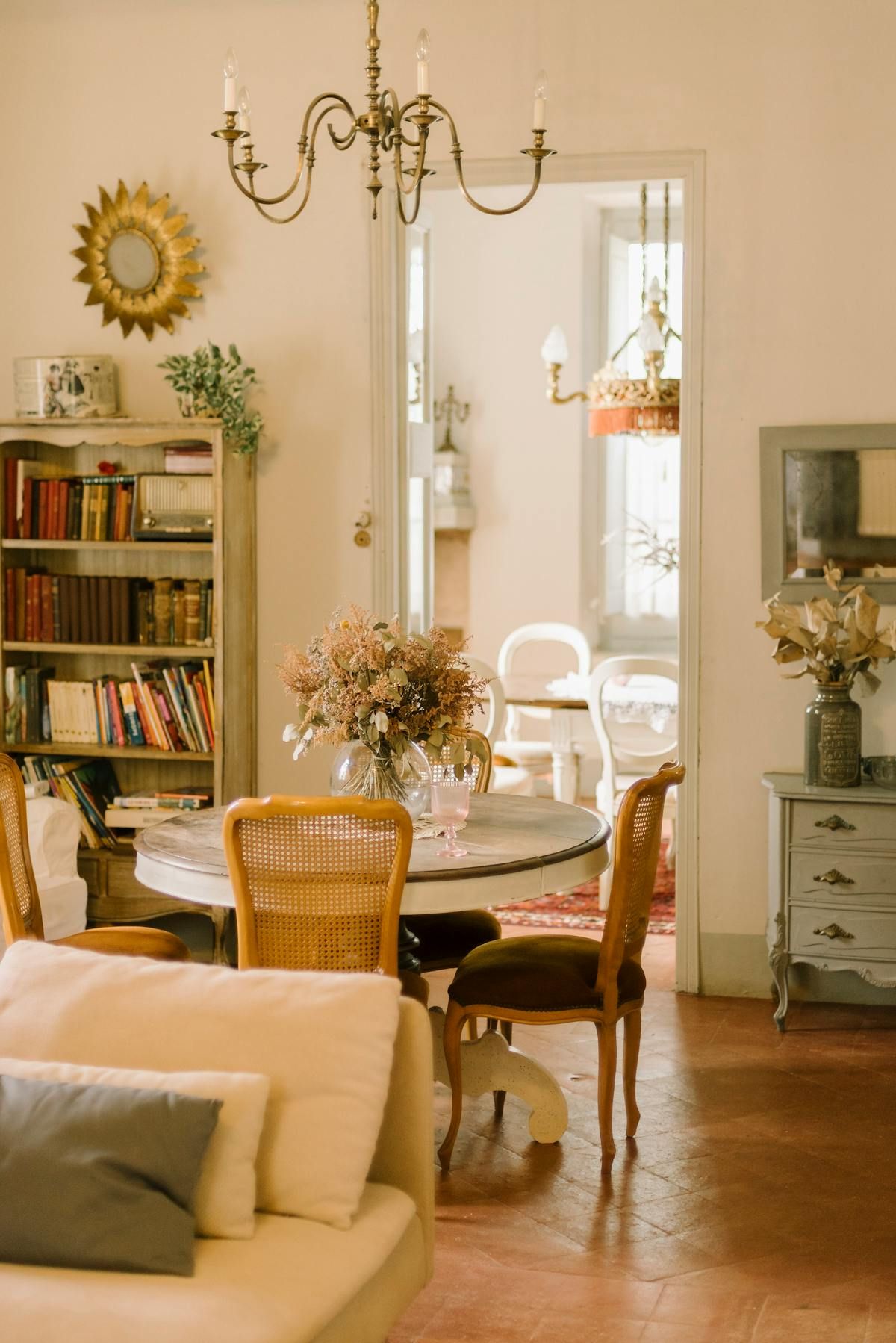
Your client just asked for a closed kitchen.
Not an open-plan living-kitchen-dining extravaganza with an island the size of a small car. Not the flowing, boundary-free layout you have been specifying for the past seven years. A kitchen. With walls. And a door.
If you are a European interior designer in 2026, this conversation is happening more often than you might expect. Across BuzzFeed comment sections, Reddit design communities, and the floors of Maison & Objet in Paris, a quiet revolution is building: clients are done with trend-chasing, and they want their homes to have soul again.
This is not just nostalgia. It is a business opportunity worth paying attention to. Heritage and vintage pieces command 35-50% markups compared to 15-25% on mass-market equivalents, and clients who want character are willing to pay for a designer who can source it.
In this guide, we break down the seven 'outdated' trends making the strongest comeback across European markets, why your clients want them, and how to source them profitably.
The Heritage Revival: Why 'Outdated' Is the New 'Desired'
The numbers tell a compelling story. According to a 2026 Houzz survey, 62% of designers report that clients now specifically request 'character' features they would have rejected just three years ago. Brown tone searches are up 340% year-on-year on Westwing and Home24. Heritage furniture searches — china cabinets, hutches, display cases — have surged 180% on Selency and other European vintage platforms.
What is driving this shift? Three forces are converging across European markets.
Instagram fatigue is real
Clients are tired of homes that all look the same. The all-white walls, grey LVP flooring, and floating shelves aesthetic that dominated Instagram for half a decade has reached saturation. As one Homes & Gardens editor put it: "The obsession with cool-toned grey walls, grey sofas, and grey luxury vinyl plank flooring is officially over."
The sustainability conversation changed
European clients — particularly in Germany, the Nordics, and the Netherlands — are increasingly asking about the longevity of their purchases. "Will this last 20 years?" is replacing "Is this on trend?" Ingrid in Stockholm and Lena in Munich are fielding these questions weekly. Heritage pieces, by definition, have already proven their durability.
Post-pandemic nesting evolved
The initial wave of home improvement has matured. Clients who renovated in 2021-2022 are now living with their choices — and many want warmth, character, and function over the sleek-but-sterile aesthetic they chose in a rush.
Trend 1: Closed Kitchens Are Back (Yes, Really)
The open-concept kitchen was the sacred cow of residential design for over a decade. Now, clients are asking for it to be put out to pasture.
The reasons are practical. Cooking smells permeating the living room. The noise of the dishwasher during a dinner conversation. Nowhere to hide the post-cooking chaos when guests arrive early. As one BuzzFeed commenter put it: "No more open-concept kitchens. I haven’t had a closed kitchen since the early ’80s."
What this means for your projects
- Pocket doors and glass partitions are the compromise clients love — separation without darkness. Source pocket door systems from Leroy Merlin (FR) or Eclisse through specialist dealers in Germany and Italy
- Internal windows between kitchen and dining room are surging in Parisian and Amsterdam renovation projects — they preserve light while containing noise and smells
- Premium kitchen doors with architectural details command higher specification fees than a simple opening
Sourcing opportunity
A well-specified pocket door system with glass panels runs EUR 800-2,500 depending on finish. Your design fee for integrating this solution — including the spatial planning, supplier coordination, and contractor briefing — easily justifies a EUR 300-600 premium over a standard open-plan layout.
Trend 2: The Separate Dining Room Renaissance
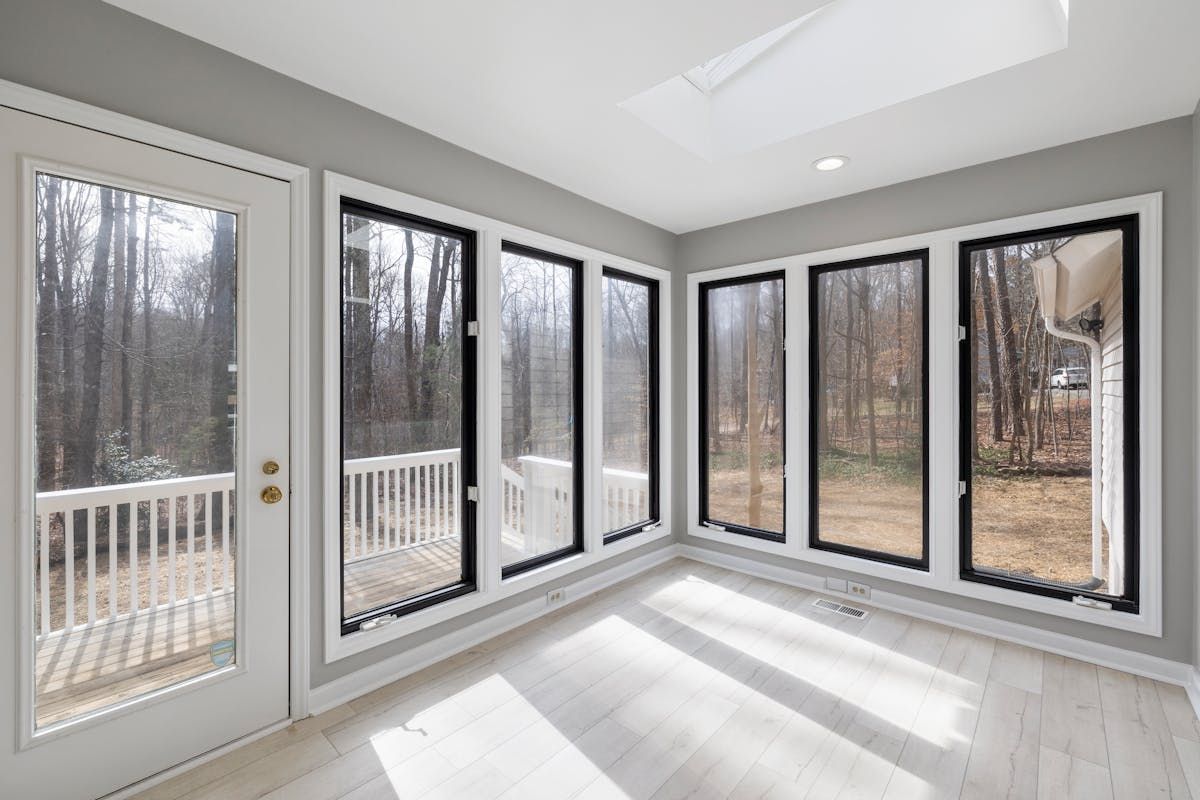
Hand in hand with closed kitchens, dedicated dining rooms are returning to European floor plans. Clients want a space for conversation without the television. A place where Sunday lunch with family feels intentional, not like eating at the kitchen counter.
This trend is especially strong in Mediterranean and Central European markets. Marta in Madrid reports that her renovation clients are actively reclaiming former open-plan areas to create distinct dining zones. Elena in Bucharest sees the same in apartment renovations where young families want a proper dining table — not a breakfast bar.
How to capitalise
- Statement dining tables become the centrepiece investment. A solid oak table from a Polish artisan workshop (EUR 1,200-3,000) or a vintage Danish teak set sourced through platforms like FAVI or Selency outperforms any mass-market flat-pack alternative in both durability and margin
- Dining room lighting becomes a design moment. Brands like Flos, &Tradition, and Muuto offer pendant fixtures that justify their price point in a dedicated room where the chandelier is the focus
- Heritage dining chairs — especially mid-century and craftsman styles — are where markups really shine. A set of six restored Thonet chairs sourced from a Viennese dealer can yield 40-50% margin
Trend 3: Clawfoot Tubs and Freestanding Bathtubs
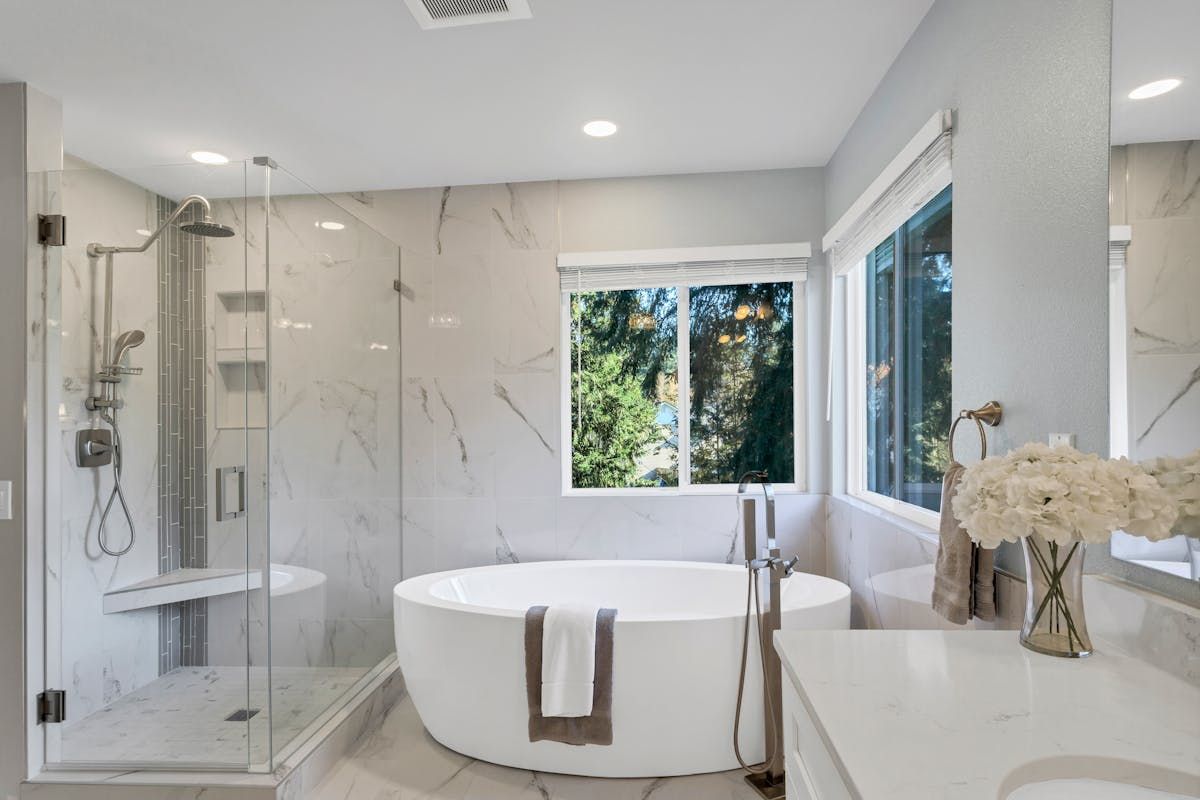
Modern compact bathtubs squeezed into tight en-suites are losing ground to freestanding statement tubs. Clients want the spa-like character of a vintage-style tub — a place to actually soak, not just rinse.
The European sourcing landscape
- Burlington and Victoria + Albert (UK-based manufacturers) offer freestanding tubs from GBP 900-4,000 that ship across Europe
- Villeroy & Boch (Germany) has expanded its freestanding range significantly in 2025-2026, with options from EUR 1,500-6,000
- Antique clawfoot tubs can be sourced through architectural salvage dealers across Europe. In France, Selency and Le Bon Coin are goldmines. In the UK, Retrouvius and Lassco specialise in high-quality salvage. In Romania and Poland, renovation boom demolitions are producing affordable vintage tubs at EUR 200-600 that refurbish beautifully
Design consideration
Freestanding tubs need more floor space and often require plumbing relocation. This is where your expertise as a designer becomes indispensable — clients cannot DIY this. The coordination between plumber, tiler, and installer is exactly the kind of project management that justifies professional fees.
Trend 4: Heritage Storage — China Cabinets, Hutches, and Display Cases
The decluttering movement of the 2010s sent china cabinets to charity shops across Europe. Now they are coming back, and clients want pieces with personality and craftsmanship that tell a story.
This is not about hoarding. It is about intentional display. A curated collection of ceramics in a vintage vitrine. Family porcelain visible rather than boxed in the attic. A hand-carved hutch from a Tuscan workshop that becomes the anchor of a living room.
Where to source heritage storage
- Selency (France) — the leading European platform for vintage furniture, with china cabinets starting from EUR 150-800
- Vinterior (UK) — curated vintage pieces from dealers across Europe
- Local flea markets and brocantes — Giulia in Milan swears by Porta Portese (Rome) and Naviglio Grande (Milan) for authentic Italian display cases at EUR 300-1,200
- Artisan workshops in Romania and Poland — handcrafted wooden cabinets in traditional styles at significantly lower price points (EUR 400-1,500) than Western European equivalents
- Ebay Kleinanzeigen (Germany) and Marktplaats (Netherlands) — underpriced gems from estate clearances
The margin advantage
Here is why this matters to your bottom line. A mass-market bookcase from IKEA retails at EUR 150-400 with a typical designer markup of 15-20% (EUR 22-80 profit). A vintage china cabinet sourced from Selency at EUR 400, cleaned up and presented as a curated find, commands a markup of 35-50% (EUR 140-200 profit). The client pays for your eye, your sourcing network, and your ability to find pieces they could never discover on their own.
Trend 5: Brown Is Back — Earth Tones Replace the Grey Everything
Grey LVP flooring and all-grey palettes are the number one most-dated look in 2026 according to multiple designer surveys. What is replacing them? Warm earth tones. Chocolate. Espresso. Cognac. Terracotta. Caramel.
Brown lacquered walls, brown leather upholstery, and textured earth-toned surfaces are appearing in specifications across European markets. This is not the muddy brown of the 1970s — it is a sophisticated, layered palette that pairs beautifully with natural materials.
How to implement across price points
Entry level (EUR 3,000-8,000 budget projects)
- Cognac and chocolate cushions and throws from JYSK (pan-European) or Zara Home (Southern Europe)
- Terracotta plant pots and ceramics from Maisons du Monde
- Warm-toned rugs from IKEA’s 2026 collection
Mid-range (EUR 8,000-25,000)
- Brown leather sofas from Kave Home (ES) or Habitat (UK/FR)
- Walnut wood furniture from Home24 (DE) or Mobexpert (RO)
- Textured plaster wall finishes — specify lime plaster in warm buff tones from local artisan plasterers
Premium (EUR 25,000+)
- Cognac leather from Poliform or B&B Italia
- Custom lacquered wall panels — a technique Camille’s Parisian clients are requesting for feature walls
- Artisan ceramic tiles in terracotta from Italian or Portuguese manufacturers
Trend 6: Craftsman Details — Crown Moulding, Built-Ins, and Wainscoting
Clients are willing to pay premiums for architectural character. Crown moulding, built-in bookshelves, wainscoting, coffered ceilings — features that were stripped out of renovations during the minimalism wave are now being painstakingly reinstalled.
The sentiment driving this is clear: people prefer "character and quality construction over flimsy cookie cutter boxes," as multiple commenters across design forums expressed it.
The business case for craftsman specifications
- Crown moulding installation runs EUR 15-45 per linear metre depending on profile complexity and country. For a 70-square-metre apartment, this is a EUR 1,200-3,800 addition to the project scope — directly increasing your design fee
- Built-in bookshelves are one of the highest-value additions you can specify. A custom built-in wall unit from a local carpenter costs EUR 2,500-8,000 and eliminates the need for freestanding shelving entirely
- Wainscoting panels are available pre-made from retailers like Leroy Merlin (FR) and OBI (DE) at EUR 20-60 per panel, making this an accessible upgrade even for budget-conscious projects
Cross-border sourcing tip
For premium moulding profiles, look to Polish and Romanian carpentry workshops where skilled craftsmen produce intricate plaster and wood mouldings at 30-50% lower cost than Western European equivalents. Eva in Amsterdam and Lena in Hamburg both report sourcing decorative elements from Central European artisans for their renovation projects.
Trend 7: Indoor-Outdoor Living Spaces With Character
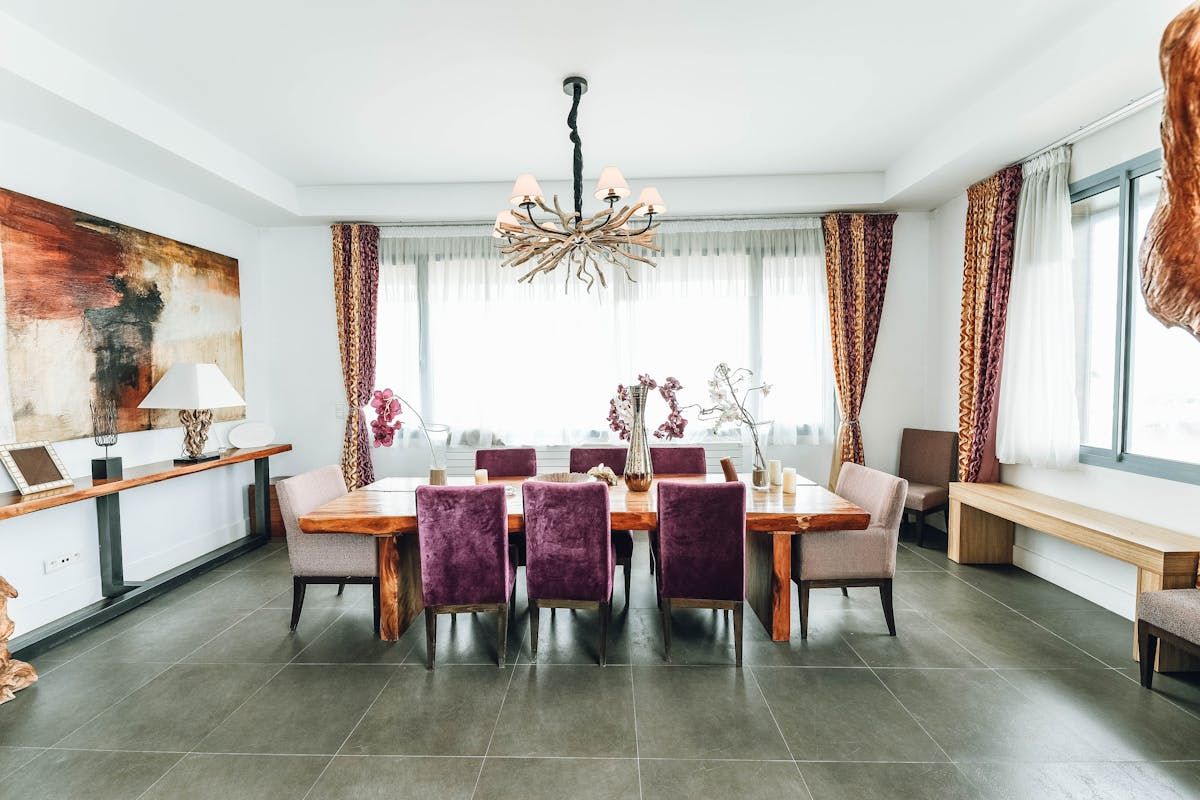
Screened porches, covered terraces, and transitional indoor-outdoor spaces are being re-evaluated — especially in Mediterranean and Southern European markets. But the trend extends north, too. Enclosed garden rooms with character (think wrought iron, climbing plants, terracotta flooring) are replacing the sterile glass-box extensions that dominated the 2010s.
Marta in Barcelona and Giulia in Florence are seeing this in almost every residential project. Even Olivia in London reports growing demand for covered outdoor dining spaces that work in the British climate — "Grand Designs" without the grand budget.
What to specify
- Wrought iron furniture and fixtures — source from Spanish and Italian artisan workshops for authenticity and quality
- Heritage-style outdoor lighting — lantern-style wall sconces and pendant lights from Flos Outdoor or &Tradition
- Reclaimed terracotta flooring — available from salvage yards across Southern Europe, or new production from Portuguese and Italian tile manufacturers
- Climbing plant structures — integrate living elements with architectural ironwork for spaces that evolve over time
Turning the Heritage Revival Into Your Competitive Advantage
This trend is not just about aesthetics. It is about repositioning yourself in your market. When clients want heritage pieces, vintage finds, and craftsman details, they need a designer who knows where to find these things across European markets. This is where cross-border sourcing expertise becomes your biggest differentiator.
Consider: a client in Munich wants a set of vintage French dining chairs, a refurbished clawfoot tub from a UK salvage dealer, and custom wainscoting from a Polish workshop. They cannot coordinate this themselves. The complexity of cross-border sourcing, quality verification, and logistics management is exactly what justifies your professional fee — and what makes you irreplaceable compared to a client simply browsing IKEA alone.
Key Takeaways
- 62% of European designers report clients requesting 'character' features they would have rejected 3 years ago — the heritage revival is real and growing
- Closed kitchens and separate dining rooms are back, driven by practical complaints about noise, smells, and the desire for intentional spaces
- Brown and earth tones have replaced grey as the dominant colour direction, with searches up 340% on major European platforms
- Vintage and heritage pieces command 35-50% markups versus 15-25% on mass-market items — this trend directly improves your profitability
- Cross-border sourcing is your competitive moat: clients who want artisan wainscoting from Poland, vintage cabinets from France, and a refurbished clawfoot tub from England need a designer who can navigate European markets
- Craftsman details (moulding, built-ins, wainscoting) increase project scope and your design fees while delivering the character clients crave
- The broader shift is anti-disposable design — clients want pieces that age beautifully, can be repaired, and have multi-generational longevity
The designers who thrive in 2026 will not be the ones chasing the next Instagram trend. They will be the ones who can source character, curate heritage, and deliver spaces with soul — across borders, across budgets, and across the beautifully diverse European market.
Frequently Asked Questions
How do I convince clients that 'outdated' design features are actually a smart investment?
Lead with longevity data and resale value. A solid oak dining table or a set of restored Thonet chairs will outlast any flat-pack alternative by decades. Reference the sustainability angle — heritage pieces are the ultimate in sustainable design because they already exist. Show clients real examples from your portfolio or from platforms like Selency and Vinterior where vintage pieces retain or increase in value.
Where can I source vintage and heritage furniture across Europe without spending days searching?
Platform by country: Selency (France), Vinterior (UK), FAVI and Bonami (Central Europe), Ebay Kleinanzeigen (Germany), Marktplaats (Netherlands), Subito (Italy), Wallapop (Spain). For high-end pieces, attend trade fairs with vintage sections — Maison & Objet in Paris and Salone del Mobile in Milan both have dedicated heritage and artisan halls. Build relationships with 3-5 trusted vintage dealers in different countries and they will source on your behalf.
Is the earth tone trend just a fad, or is it here to stay?
Earth tones have a far longer historical precedent than the grey-everything trend they are replacing. Warm neutrals, browns, and terracotta have been staples of European interior design for centuries — from Tuscan villas to Dutch Golden Age interiors. The current revival is a correction toward timelessness rather than a new trend cycle. Designers at IMM Cologne and Stockholm Furniture Fair both confirm that warm, natural palettes are being treated as a permanent shift, not a seasonal direction.
How do I price heritage sourcing services for my clients?
Charge a sourcing fee (typically 10-15% of the item value, minimum EUR 50-100 per piece) on top of your standard markup. Heritage sourcing requires specialised knowledge, relationship management with dealers, and often cross-border logistics coordination. Frame this to clients as a curation service — you are not just finding furniture, you are finding the right piece with the right provenance at the right price. Most clients who want heritage pieces understand and accept this premium.
Can I mix heritage pieces with modern design in the same project?
Absolutely — this is where the best design happens. The modern-heritage mix is the dominant aesthetic direction in 2026. A vintage china cabinet against a clean white wall. A clawfoot tub in a bathroom with contemporary tiling. Craftsman moulding framing a room with modern Scandinavian furniture. The contrast between old and new creates visual tension and depth that neither pure vintage nor pure modern can achieve alone. This is the kind of layered design thinking that clients hire professional designers for.