

7 Room Concept Trends Reshaping European Homes and Offices in 2026: A Designer's Action Guide
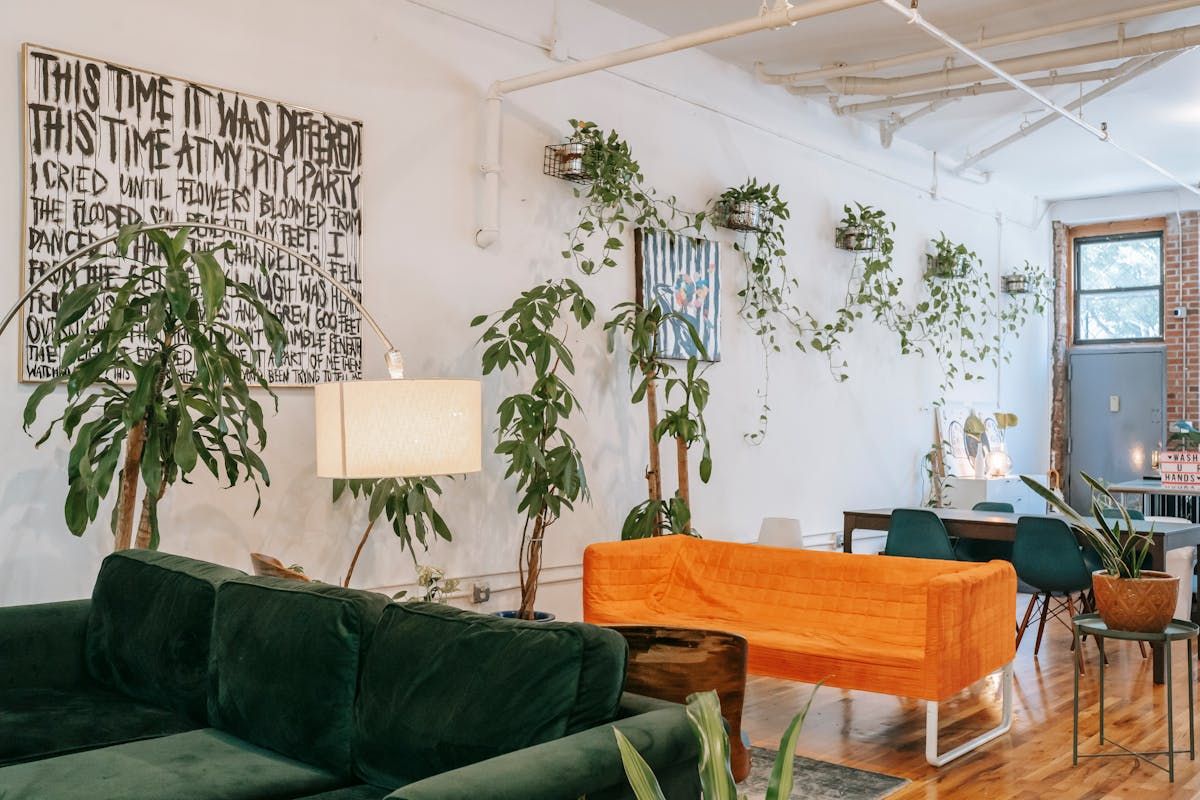
You are sitting at your desk in Munich, Berlin, Bucharest, or Lyon — and your inbox holds two briefs that could not look more different. One is a 75 sqm apartment where every room must pull triple duty. The other is a 200 sqm co-working space that needs to feel like a living room. Yet the trends shaping both projects this year are the same.
That is the defining story of room concept trends in 2026: the line between residential and commercial design has all but disappeared. The same macro-forces — hybrid work, neuroscience research, tightening EU sustainability regulations, and a growing hunger for authentic materials — are rewriting the rules for every space type.
In this guide, you will get the 7 most impactful room concept trends for 2026, each with concrete implementation tips, sourcing suggestions from real European retailers, and the data that justifies the design decision to your client. Whether you are furnishing a family flat in Warsaw or a creative studio in Copenhagen, these trends are your roadmap.
Trend 1: Hybrid Room Concepts — When Every Space Does Double Duty
The pandemic mainstreamed remote work. 2026 has matured it. In Germany alone, 30-40% of knowledge workers now operate on a hybrid schedule — and their apartments were never designed for it. The result is a tidal wave of demand for rooms that seamlessly transition between living, working, and socialising.
What this looks like in practice
- Residential: A living room that hides a full workstation behind a pivoting bookcase. A dining table that doubles as a client presentation surface. A guest bedroom that converts into a private Zoom studio with acoustic panels.
- Commercial: Co-working spaces with "living room zones" featuring sofas from Westwing and rugs from HAY that make members feel at home rather than in a corporate box.
Implementation tips for designers
- Invest in convertible furniture. IKEA's BEKANT sit-stand desks (from EUR 349 on IKEA.de) work for both a home office nook and a startup's hot-desking area. For premium projects, Vitra's Tyde 2 adjustable desk (from EUR 2,400) delivers the same versatility with a design-museum finish.
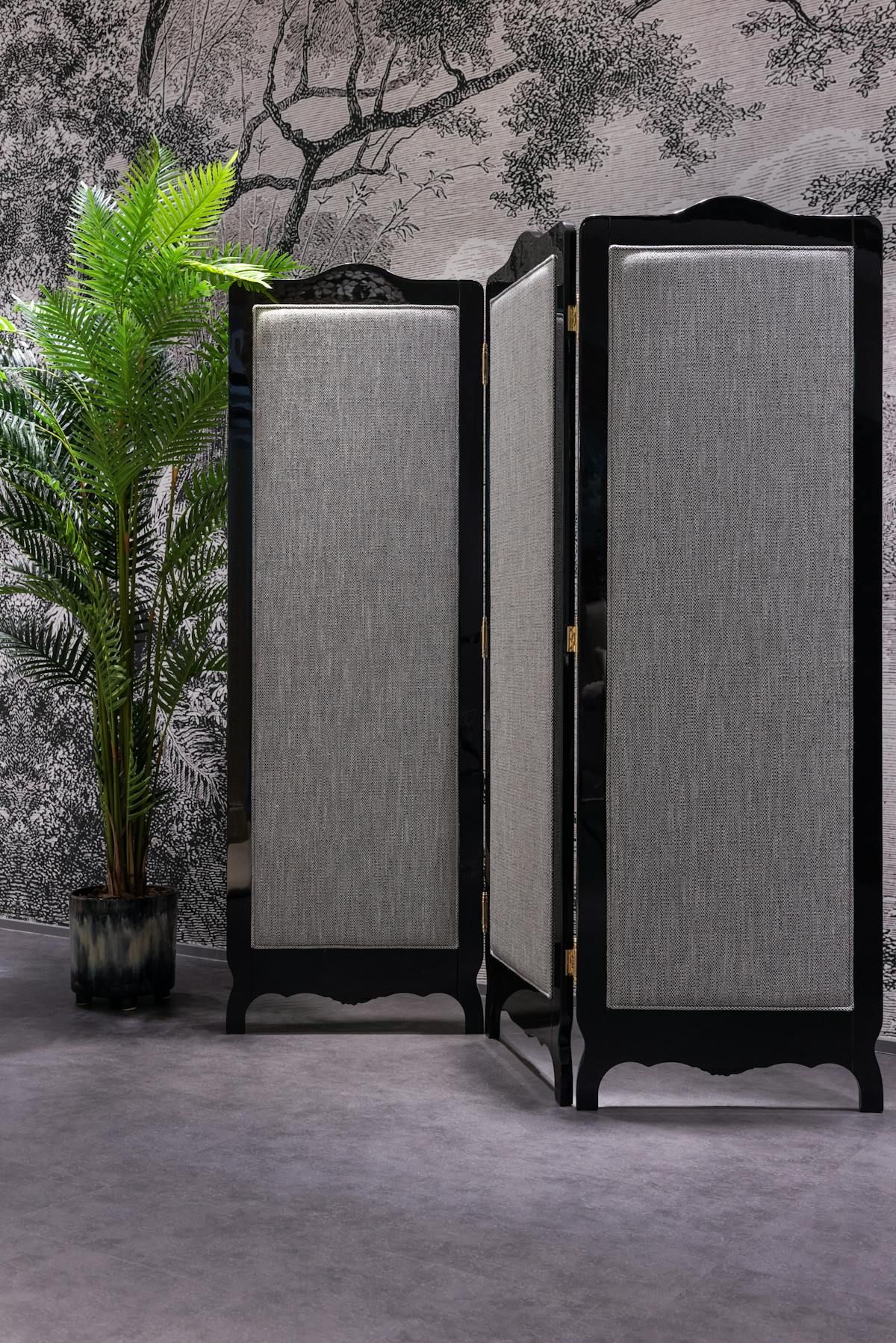
- Use room dividers strategically. Ferm Living's Scenery room divider (available on Connox, from EUR 599) creates visual separation without killing natural light — crucial in Berlin's notoriously small Altbau apartments.
- Plan for cable management from day one. The single fastest way to ruin a multifunctional space is visible cable spaghetti. Specify built-in cable trays in every furniture brief.
The data that sells it
Research consistently shows that well-designed hybrid spaces increase reported productivity by up to 25% while reducing stress-related absenteeism. When a client in Hamburg pushes back on the cost of a convertible room, those numbers close the conversation.
Trend 2: Neuroarchitecture — Science-Backed Room Design
Neuroarchitecture — the application of neuroscience findings to spatial design — has moved from academic curiosity to mainstream practice. In 2026, it is arguably the single most powerful argument you can make to a commercial client.
The science in plain language
- Ceiling height matters. Rooms with ceilings above 3 metres activate abstract, creative thinking. Lower ceilings promote focus and detail work. In a residential loft in Lyon, this means designating the high-ceiling zone for creative play and the lower mezzanine for a reading nook.
- Colour psychology is measurable. Blue-green tones reduce cortisol (the stress hormone). Warm yellows boost collaborative energy. The 2026 colour of the year from multiple forecasters centres on Transformative Teal — a shade that bridges calm and creativity.
- Acoustic design is non-negotiable. Open-plan offices lose an average of 86 minutes of productive time per employee per day to noise distraction. Residential open-plan kitchens suffer the same fate during family homework hour.
Implementation tips for designers
- Map activities to zones before selecting a single finish. Create a "neuro-brief" alongside your mood board: which zone needs focus? Which needs social energy? Then select ceiling treatments, colours, and acoustics accordingly.
- Specify acoustic panels as standard. Products like the Muuto Relate panels or BuzziSpace's felt screens (available across European distributors) are no longer nice-to-haves. Budget EUR 40-120 per sqm for acoustic treatment in commercial projects.
- Use biometric language in client presentations. When you say "this colour reduces cortisol by 15%", it lands differently than "this shade is calming." Show the research.
Trend 3: Sustainability as the Non-Negotiable Default
Sustainability in 2026 is no longer a selling point — it is the baseline expectation. EU regulations are tightening. The German BDIA has embedded sustainability principles into its professional practice guidelines. And at IMM Cologne 2026, an estimated 60% of exhibitors showcased products with verified circular-design credentials.
What "sustainable by default" means for your projects
- Recycled and upcycled materials are the first choice, not the alternative. Specify recycled aluminium for lighting fixtures, reclaimed timber for shelving, and post-consumer plastic for accessories.
- Modular furniture is expected. Clients increasingly ask: "Can I reconfigure this in five years instead of replacing it?" Products from Muuto (Outline modular sofa, from EUR 3,200), USM Haller (configurable storage systems, from EUR 800), and IKEA's VALLENTUNA series (from EUR 450) all answer "yes."
- Certifications matter. For commercial projects, specify products with EU Ecolabel, GREENGUARD, or Cradle to Cradle certification. For residential clients in Nordic markets especially, Ingrid in Stockholm expects this documentation without being asked.
ArcOps is building a product sourcing platform that lets you filter by sustainability certifications across 50+ European retailers — so you can find that GREENGUARD-certified desk lamp without opening 15 browser tabs. Join the waitlist for early access.
Implementation tips for designers
- Create a "sustainability spec sheet" for every project. List your material choices, their certifications, and their end-of-life pathways. This document becomes a competitive advantage — clients share it with their networks.
- Source locally where possible. A reclaimed oak dining table from a Romanian artisan workshop (EUR 800-1,500) has a dramatically lower carbon footprint than imported hardwood — and a story your client will retell at every dinner party.
Trend 4: Biophilic Design — Nature-Integrated Spaces
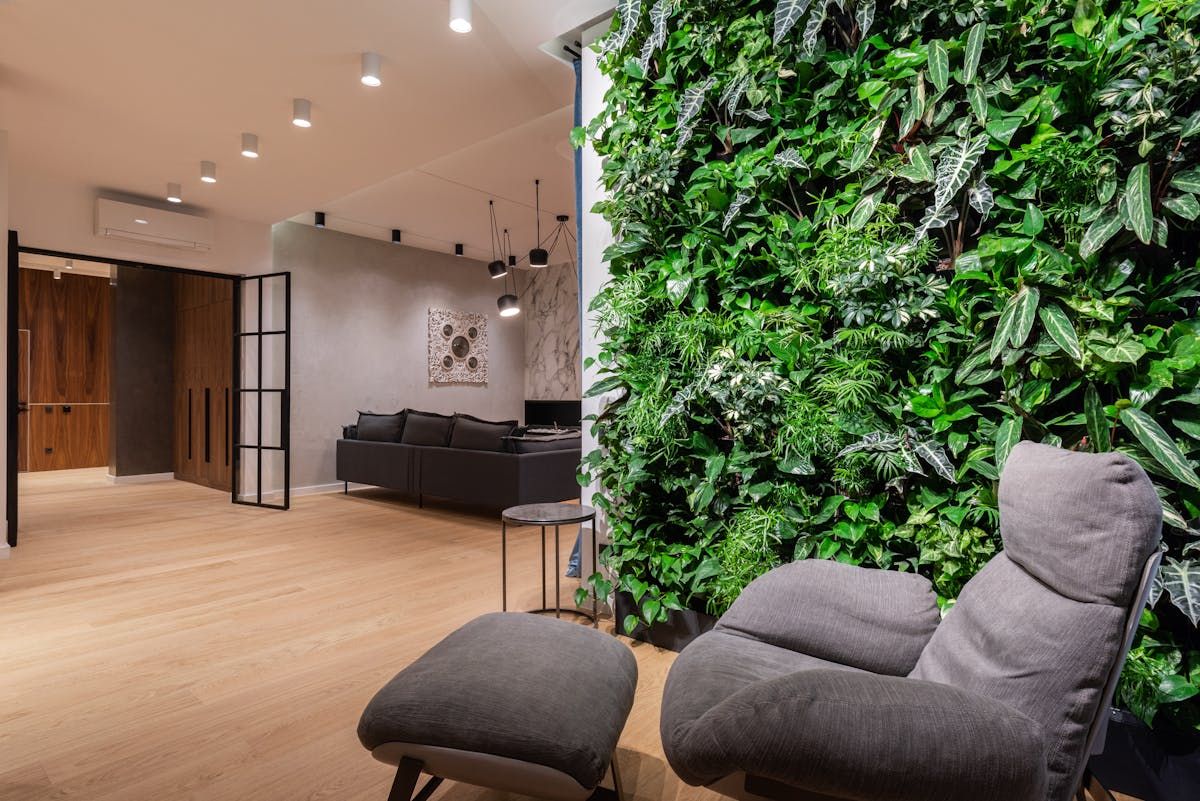
Biophilic design has moved beyond a potted monstera on a shelf. In 2026, it means systematically integrating natural materials, living plant systems, daylight optimisation, and nature-inspired patterns into every project.
The evidence is overwhelming
- Wellbeing improvement: +15% in spaces with biophilic elements
- Creativity boost: +15% in offices with natural light and plant life
- Productivity increase: +6% in workplaces with nature views or natural materials
These are not marketing claims — they are consistent findings from peer-reviewed research including the Human Spaces Global Report.
What this looks like across Europe
- Nordic markets (Stockholm, Copenhagen, Helsinki): Biophilic design is already the cultural default. Ingrid's clients expect natural materials. HAY's wood-and-cork furniture lines, Muuto's nature-inspired colour palettes, and Artek's birch classics are standard specifications. The challenge is not convincing the client but finding fresh approaches.
- Southern markets (Madrid, Barcelona, Milan): Indoor-outdoor living is the DNA. Marta's clients in Valencia want terrace-to-living-room flow. Giulia's Milan clients want courtyard-facing interiors with natural stone and living walls. Kave Home (from EUR 150 for a statement planter) and Zara Home's botanical textiles serve these markets well.
- Central/Eastern markets (Bucharest, Warsaw, Wroclaw): The biophilic wave is arriving fast. Elena's clients in Bucharest are requesting moss walls and cork flooring for the first time. JYSK and Dedeman both expanded their natural-material ranges in 2025, making biophilic design accessible at mid-market budgets.
Implementation tips for designers
- Start with daylight. Before adding a single plant, maximise natural light. Window treatments from Westwing or Home24 that filter rather than block light can transform a north-facing room.
- Layer natural materials. Combine wood flooring (oak from local suppliers, EUR 40-80/sqm), cork wall tiles (from EUR 25/sqm at Leroy Merlin), and natural stone accents (marble or travertine from Italian suppliers, EUR 60-150/sqm) for sensory richness.
- Consider maintenance. A living wall looks spectacular in a client presentation. If the client cannot commit to watering it, specify preserved moss panels instead — same visual impact, zero maintenance, available through Flinders and specialist suppliers from EUR 120/sqm.
Trend 5: AI-Powered Room Planning — From Concept to Client in Minutes
AI visualisation tools can now generate photorealistic room concepts in under 10 seconds. For professional designers, this is not a threat — it is the most powerful prototyping tool since SketchUp.
How European designers are actually using AI in 2026
- Rapid concept iteration. Instead of spending two days creating three mood board options, generate 20 AI visualisations in an hour and present the five strongest. Your design eye is the filter — AI just accelerates the production.
- Client communication bridge. Many clients cannot read a floor plan. An AI-generated render of their living room with new furniture instantly closes the imagination gap.
- Material and colour testing. Want to show a client how that teal accent wall looks at 2 PM with afternoon light? AI tools can simulate it in seconds — no need for multiple physical samples.
Implementation tips for designers
- Use AI to prototype, not to deliver. The final specification document, material selection, and supplier coordination still require a human designer. AI generates the vision; you execute the reality.
- Invest EUR 30-80/month in a professional AI tool. Free tools produce generic results. Professional-grade AI interior design tools deliver room-specific, furniture-accurate renders that impress clients.
- Always verify product availability. AI-generated rooms often include furniture that does not exist or is not available in European markets. Cross-reference every AI suggestion against real retailer catalogues.
Want to skip the manual cross-referencing? ArcOps aggregates products from 50+ European retailers into one searchable catalogue, so you can verify availability and compare prices across IKEA, Westwing, Home24, Dedeman, and dozens more in seconds. Reserve your free founding member spot.
Trend 6: Flexible Zoning — Modular Spaces for Changing Needs
Flexible zoning goes beyond multipurpose rooms. It is a design philosophy that treats every square metre as reconfigurable territory — using modular furniture, moveable partitions, and clever spatial planning to create rooms that evolve with their inhabitants.
Why this matters more than ever
European housing is getting smaller. The average new apartment in Amsterdam is 39 sqm. In Paris, studio apartments average 25-30 sqm. Even in larger markets like Germany, urban apartment sizes are shrinking. Eva in Rotterdam and Camille in Lyon face the same challenge: design rooms that feel spacious while serving multiple functions.
The tools of flexible zoning
- Modular sofas: Muuto's Connect Soft (from EUR 2,800), Ferm Living's Catena (from EUR 1,900), or IKEA's VALLENTUNA (from EUR 450) — all reconfigurable for different layouts
- Moveable storage: USM Haller systems (from EUR 800), String Furniture shelving (from EUR 200 at HAY or Connox), or IKEA's KALLAX on castors (from EUR 69 plus EUR 15 for caster wheels)
- Sliding and pivoting partitions: Custom joinery solutions or ready-made options from Lema (Italian, premium) or room-dividing curtain systems from IKEA (from EUR 30 per panel)
- Raised platforms: A 40 cm raised platform creates hidden storage underneath while visually defining a sleeping or working zone — popular in Dutch design for canal-house apartments
Implementation tips for designers
- Design for the next five configurations, not just the first. When specifying modular furniture, sketch at least three alternative layouts and share them with the client. This demonstrates long-term value and justifies the premium.
- Use floor-level cues. Different flooring materials or rugs can define zones without walls. A wool rug from Westwing (EUR 150-400) under the dining area and bare oak flooring in the work zone creates intuitive separation.
- Think vertically. In small spaces, wall-mounted desks, fold-down beds, and ceiling-hung storage reclaim floor area. Katarzyna's clients in Warsaw are increasingly requesting Murphy bed solutions with integrated shelving.
Trend 7: Material Authenticity — The Beauty of Imperfection
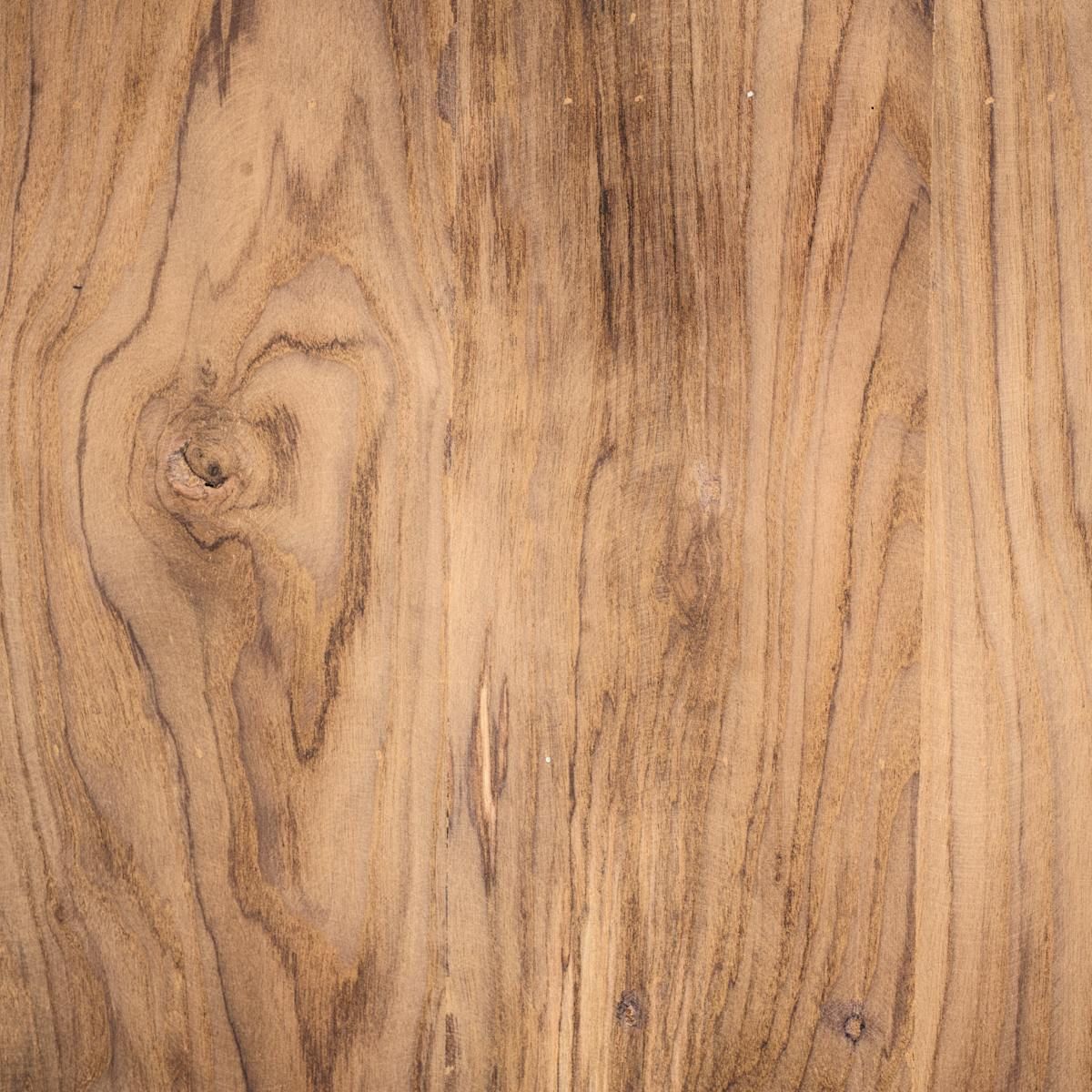
After years of flawless, factory-finished surfaces, 2026 is the year of material honesty. Raw wood grain. Exposed brick. Unpainted plaster. Hand-thrown ceramics. Natural stone with visible veining. Surfaces that show their making process and age gracefully.
This trend draws from the Japanese philosophy of wabi-sabi — finding beauty in imperfection and impermanence — while connecting to the European tradition of artisanal craftsmanship that was showcased prominently at Salone del Mobile 2025.
Why clients are embracing imperfection
- Counter-reaction to mass production. After a decade of identical, factory-perfect Scandinavian minimalism, clients want spaces that feel unique and handmade.
- Emotional connection. A dining table with visible wood grain and tool marks from a Transylvanian workshop tells a story. A generic white-lacquer table from a mass retailer does not.
- Lower maintenance expectations. Clients are realising that a natural oak floor that develops a patina is actually easier to live with than a high-gloss surface that shows every scratch.
Sourcing authentic materials across Europe
- Italy: Giulia's world. Hand-finished ceramics from Puglia, natural stone from Carrara, artisanal brass hardware from Tuscan workshops. Premium pricing (EUR 80-300/sqm for stone, EUR 15-40 per ceramic tile) but unmatched authenticity.
- France: Camille's territory. Reclaimed oak parquet from Burgundy demolitions (EUR 60-120/sqm), hand-plastered lime walls (artisan application, EUR 40-80/sqm), vintage finds on Selency.
- Romania and Poland: Elena and Katarzyna's markets. Surprisingly rich artisanal traditions. Handcrafted wooden furniture from Maramures (Romania, EUR 500-2,000 per piece), traditional ceramics from Bolesławiec (Poland, EUR 8-30 per piece), reclaimed brick from industrial-era buildings (EUR 30-60/sqm).
- Nordic markets: Ingrid's approach. Raw pine and birch left untreated or finished with natural oils. Artek's Aalto stools (from EUR 350) and &Tradition's Flowerpot lamps in matt, tactile finishes (from EUR 250 at Ferm Living stockists).
Implementation tips for designers
- Create a "material passport" for each project. Document the provenance of key materials — where the wood was felled, who crafted the ceramics, the history of the reclaimed brick. Clients love this storytelling, and it justifies premium pricing.
- Pair raw with refined. A hand-plastered wall next to a precision-engineered kitchen system (from Bulthaup or Poggenpohl) creates tension that makes both elements more striking.
- Educate clients on patina. Many clients initially resist materials that will "change." Show them examples of beautifully aged brass, oiled wood, and weathered stone. A quick side-by-side of new versus five-year patina usually converts sceptics.
Key Takeaways
- Hybrid room concepts are driven by 30-40% of European knowledge workers now working hybrid — every residential and commercial project must accommodate flexible use
- Neuroarchitecture provides science-backed evidence for your design decisions: ceiling heights, colour choices, and acoustic treatments all have measurable impacts on wellbeing and productivity
- Sustainability is the 2026 baseline, not a premium add-on — EU regulations and client expectations demand circular materials and certifiable products by default
- Biophilic design delivers proven results (+15% wellbeing, +15% creativity, +6% productivity) and is now accessible at every budget through European retailers like JYSK, HAY, and Kave Home
- AI tools accelerate concept development but require a professional designer's eye to filter, verify, and execute
- Flexible zoning is the design response to shrinking European apartment sizes — modular furniture and clever spatial planning turn 39 sqm into liveable, multi-functional spaces
- Material authenticity is the counter-trend to mass production — raw, honest, artisanal surfaces that tell stories and age gracefully
These 7 trends share a common thread: they all demand smart product sourcing across multiple European markets. Finding the right sustainable modular sofa, the perfect acoustic panel, or an artisanal ceramic collection means searching across dozens of retailers in different countries. ArcOps is building the platform that brings all of these sources together — one search, 50+ European retailers, real-time pricing in your currency. Get early access here.
Frequently Asked Questions
Which room concept trend has the highest return on investment for residential clients?
Hybrid room concepts consistently deliver the strongest ROI because they increase the functional value of existing square metres without requiring structural changes. A EUR 2,000-5,000 investment in convertible furniture and smart zoning can effectively add the utility of an extra room — far cheaper than a renovation or extension. For clients who work from home even part-time, the productivity gains (up to 25% improvement in well-designed spaces) translate directly into earning potential.
How do I convince a budget-conscious client to invest in sustainable materials?
Frame sustainability as a cost-over-lifetime conversation, not an upfront premium. A modular sofa from Muuto at EUR 3,200 that can be reconfigured and reupholstered over 15 years costs less per year than replacing a EUR 600 fast-furniture sofa every three years (EUR 200/year vs EUR 213/year at minimum). Add the reduced maintenance of natural materials — oiled oak requires refinishing every 5-7 years compared to lacquered surfaces that chip within 2 — and the financial case builds itself.
Is neuroarchitecture relevant for residential projects, or only commercial?
Absolutely relevant for residential. The same principles that make an office more productive apply to home environments. A child's study area with lower ceiling treatment and blue-green wall tones demonstrably improves concentration. A bedroom with warm, low-saturated colours and soft acoustic panels improves sleep quality. The research applies universally — the difference is scale (you are designing for a family of four, not 200 employees).
What is the most cost-effective way to implement biophilic design?
Start with daylight optimisation (free — just rethink window treatments) and natural materials in high-touch surfaces (wooden door handles from EUR 15, cork coasters and trivets from EUR 8). Medium investment: add 3-5 statement plants in quality planters (EUR 100-300 total). Higher investment: cork or wood accent walls (EUR 25-80/sqm). The key insight is that biophilic design is a spectrum, not an all-or-nothing commitment. Even small interventions produce measurable wellbeing improvements.
How do flexible zoning and hybrid room concepts differ?
Hybrid room concepts focus on what a room does — ensuring spaces serve multiple functions (living + working + socialising). Flexible zoning focuses on how the room changes — the physical mechanisms (modular furniture, moveable partitions, floor-level cues) that enable reconfiguration. In practice, you implement hybrid concepts through flexible zoning techniques. Think of hybrid as the goal and flexible zoning as the method.