

8 Interior Design Business Models That Work in Europe (With Revenue Examples)
You've spent years perfecting your eye for colour, mastering spatial planning, and building relationships with suppliers across Europe. But when it comes to structuring your interior design business, the options feel overwhelming. Should you charge hourly? Take a markup on products? Launch an e-design service?
The truth is, there's no single "right" business model for interior designers in Europe. The best approach depends on your skills, your market, and how you want to spend your days. Some designers thrive on the high-touch, full-service model. Others build thriving practices around virtual consultations or product curation alone.
In this guide, we'll walk through eight proven interior design business models that work in the European market—complete with revenue scenarios in EUR, startup costs, and the tools you'll need to make each one profitable. Whether you're Elena, a freelancer juggling multiple projects in Berlin, or Thomas, scaling a studio in Barcelona, you'll find a model that fits.
1. Full-Service Residential Design (The Traditional Model)
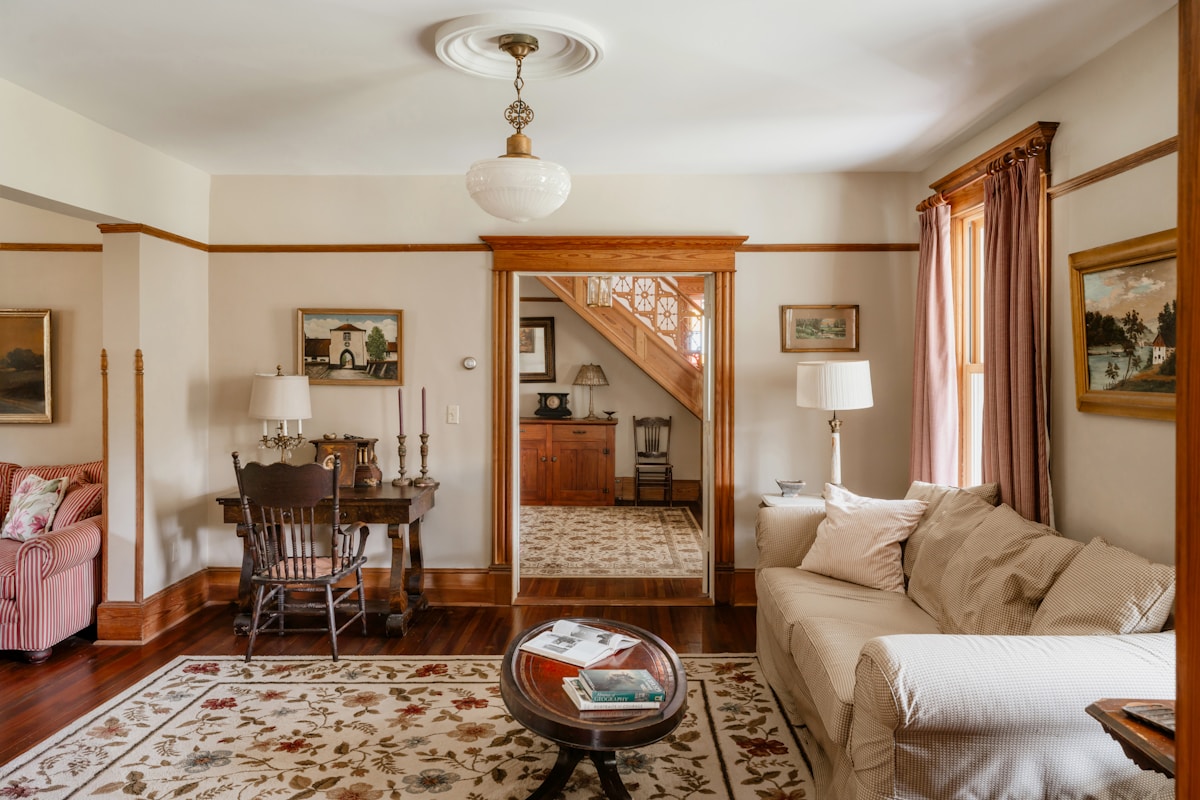
This is the model most people picture when they think "interior designer." You guide clients through every phase: initial consultation, concept development, space planning, product sourcing, contractor coordination, and final styling. It's comprehensive, high-touch, and often the most lucrative per project.
What it looks like in practice: You might spend three to six months transforming a client's apartment in Paris. You meet in person for consultations, create mood boards and 3D renders, source furniture from Italian manufacturers, coordinate with local contractors, and visit the site multiple times before the final reveal.
Revenue potential
Full-service projects in major European cities typically range from €15,000 to €80,000+ depending on scope and client budget. If you complete four to six projects per year, you're looking at €60,000 to €240,000 in annual revenue. The key is balancing project size with your capacity—larger projects mean fewer clients but higher revenue per engagement.
Startup costs and tools
Expect to invest €3,000–€7,000 upfront: professional liability insurance (€800–€1,500/year), design software subscriptions (SketchUp or AutoCAD, rendering tools like Lumion), a portfolio website, and initial marketing. You'll also need a solid contract template and invoicing system from day one.
Best for: Designers who love the full creative process and have the bandwidth to manage complex, long-term projects. This model rewards patience and relationship-building but requires strong project management skills.
ArcOps mention: For product sourcing phases, a centralised procurement platform helps you track orders across European suppliers, manage client approvals, and keep budgets transparent—essential when you're juggling multiple full-service projects simultaneously.
2. E-Design / Virtual Interior Design (Fastest Growing in Europe Post-Pandemic)
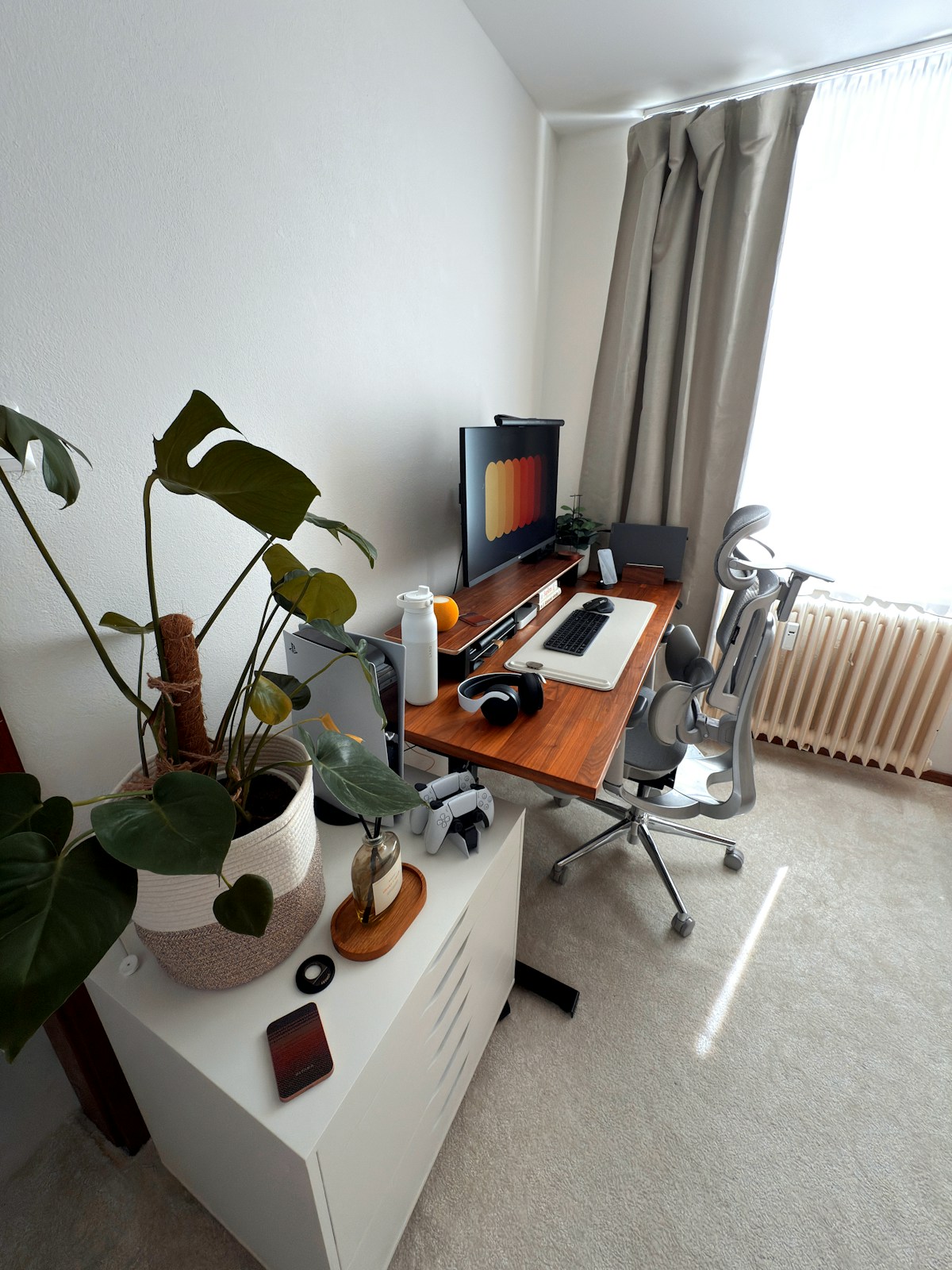
E-design exploded across Europe during the pandemic and hasn't slowed down. You work entirely online: clients send you photos, measurements, and their wishlist. You deliver mood boards, floor plans, shopping lists, and implementation guides—all digitally. No site visits required.
What it looks like in practice: A couple in Amsterdam wants to refresh their living room but doesn't need hand-holding. They send you photos and measurements via email. Over two weeks, you create a design package with a mood board, a scaled floor plan showing furniture placement, links to products from retailers like IKEA, Westwing, and Made.com, and styling tips. You charge €800–€2,500 per room.
Revenue potential
E-design packages typically range from €500 (single room, basic) to €3,000 (whole-home, premium). Because the process is streamlined, you can complete 8–15 projects per month, generating €40,000 to €90,000+ annually with lower overhead than traditional models.
Startup costs and tools
This is one of the most accessible models. Startup costs sit around €1,000–€2,000: a Canva Pro or Adobe Creative Cloud subscription, a simple website (Squarespace or WordPress), and basic project management tools like Notion or Trello. You'll also need clear service packages and a smooth onboarding process to keep projects moving.
Best for: Designers who prefer flexibility and digital workflows. It's ideal if you want location independence or need to fit design work around other commitments. The trade-off? Less creative control and no in-person client interaction.
Internal link opportunity: Our guide to starting a freelance business in Europe walks through the legal setup for remote design services, including VAT obligations when working with clients across EU borders.
3. Product-Sourcing-Only Service (Pure Curation and Procurement)
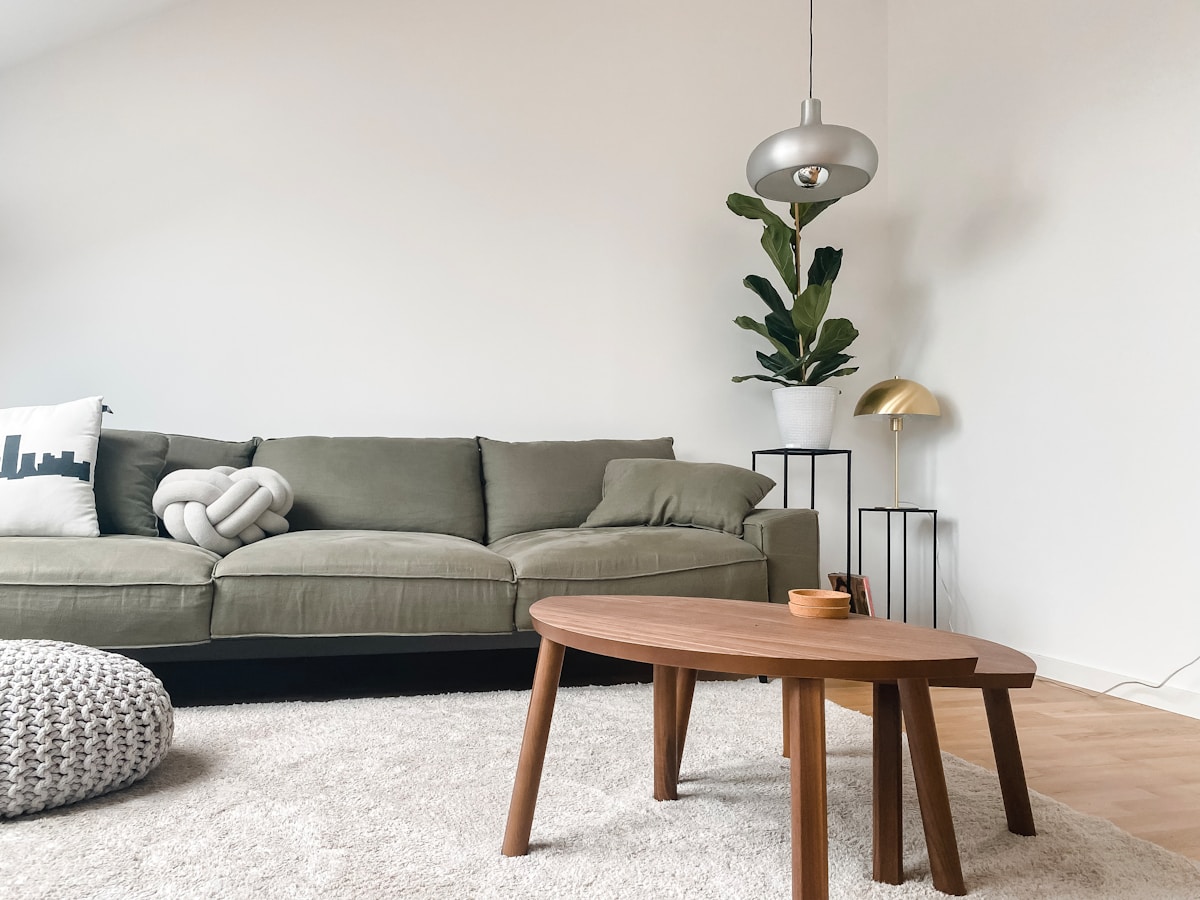
Some clients know exactly what they want stylistically but lack the time, supplier contacts, or negotiating skills to source products themselves. That's where you come in. You curate, procure, and coordinate delivery—but you're not designing the space from scratch.
What it looks like in practice: A busy professional in Milan has hired an architect for their renovation and knows their aesthetic. They need someone to find the perfect Scandinavian dining table, Italian lighting fixtures, and textiles from Portuguese artisans—then manage orders, shipping, and customs paperwork. You charge a flat fee or percentage of the procurement budget.
Revenue potential
Typical fees are 10–20% of the total product spend or a flat project fee (€2,000–€8,000 depending on scope). If you manage €100,000 in procurement annually across several clients, you're earning €10,000 to €20,000 from this service alone. Many designers combine it with hourly consultations or design retainers to increase revenue.
Startup costs and tools
Low barrier to entry: €500–€1,500. You need a strong supplier network (which you likely already have), a system for tracking orders and budgets, and clear client agreements. A procurement platform becomes invaluable once you're managing multiple orders across countries—it keeps everything organised and reduces the risk of costly mistakes.
Best for: Designers with deep supplier relationships and strong organisational skills. This model suits you if you love the thrill of the hunt and negotiating but don't want to manage full design projects.
ArcOps mention: Centralised procurement software like ArcOps streamlines cross-border orders, automates client invoicing with markup, and keeps all supplier communication in one place—critical when you're sourcing from vendors across France, Italy, Spain, and beyond.
4. Hourly Consultation Model
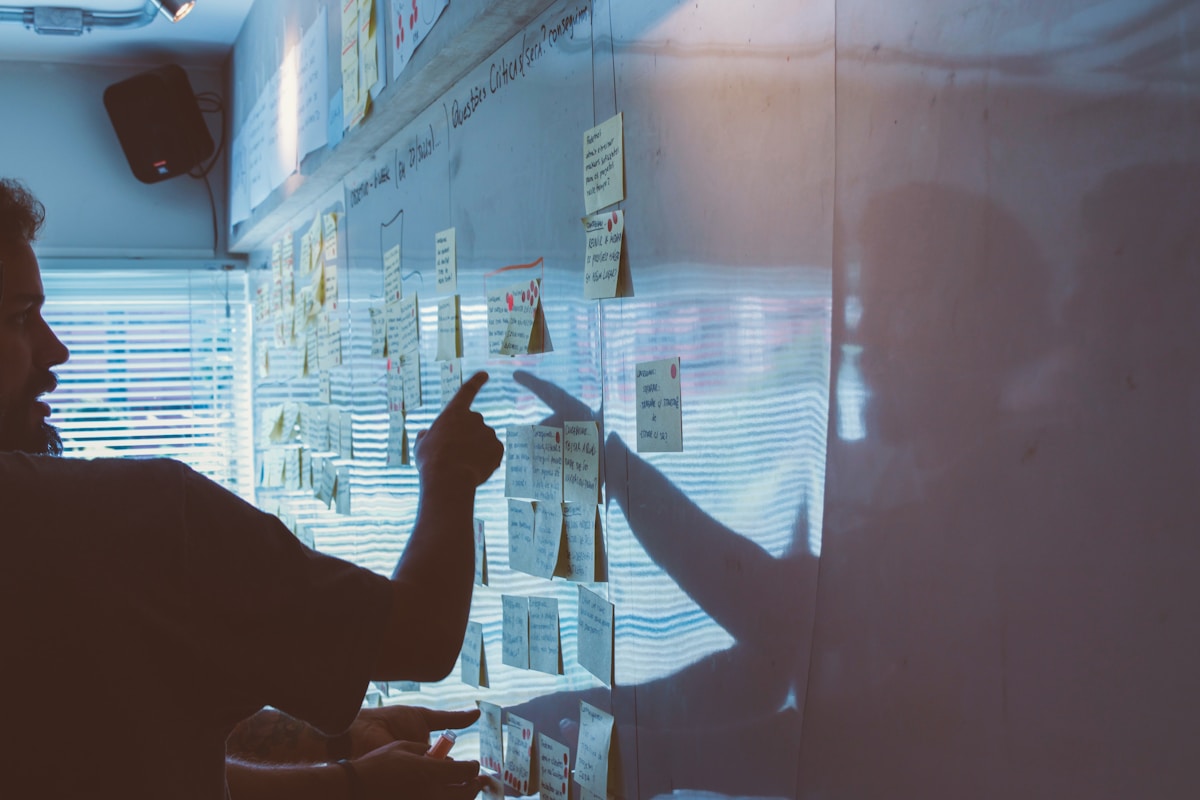
The simplest structure: you sell your time. Clients book one-off or recurring sessions (in person or via video call) to get expert advice on paint colours, furniture layout, lighting, or styling. You're not delivering full design packages—just strategic guidance.
What it looks like in practice: A homeowner in Brussels is DIY-ing their bedroom refresh and needs help choosing between three paint palettes and deciding on curtain placement. You schedule a 90-minute video consultation at €150/hour, review their photos, and provide clear recommendations. They implement it themselves.
Revenue potential
Hourly rates in Europe range from €80 to €200+ depending on your experience and location. If you bill 15–20 hours per week at €120/hour, you're generating €7,200 to €9,600 monthly, or €86,400 to €115,200 annually. The challenge is keeping your calendar full and avoiding the "feast or famine" cycle.
Startup costs and tools
Minimal investment: €500–€1,000. You need a booking system (Calendly or Acuity), invoicing software, and a simple online presence. Since you're not creating detailed deliverables, overhead is low.
Best for: Designers starting out or those who want maximum flexibility. It's also a good side income stream if you're winding down full-service work or testing the waters before committing to a bigger model.
5. Design + Procurement Markup Model (Elena's Most Common Model)
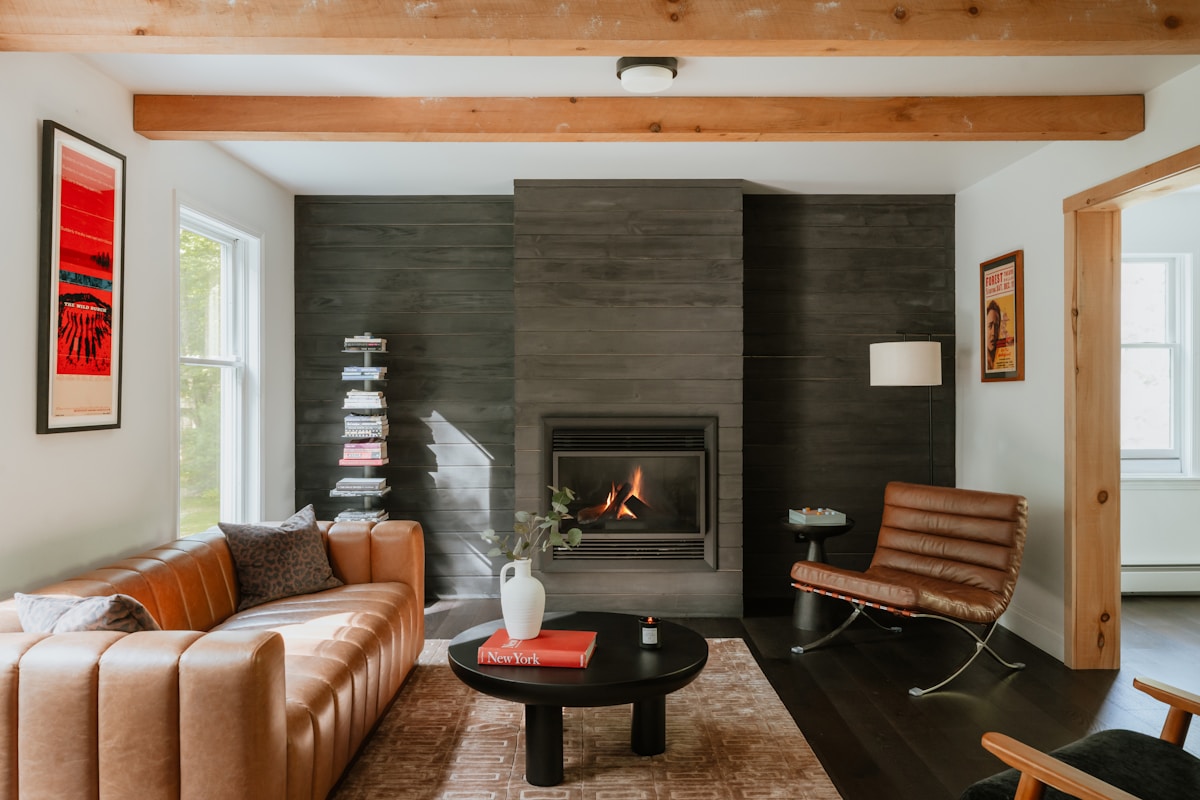
This is the hybrid approach many European designers default to. You design the space and source products, but instead of charging a flat design fee, you take a markup on furniture and materials (typically 15–35%). Your design services are either included or charged at a reduced rate.
What it looks like in practice: Elena designs a living room for a client in Munich. Her design fee is €2,000, but she also sources €20,000 worth of furniture and décor, marking it up 25%. That's an additional €5,000 in revenue—total project income of €7,000. The client gets wholesale pricing access and expert curation; Elena gets compensated for both design and procurement.
Revenue potential
Project revenue ranges from €8,000 to €50,000+ depending on client budget and markup percentage. Completing 4–8 projects per year generates €32,000 to €200,000 annually. The model scales beautifully as client budgets increase.
Startup costs and tools
Budget €2,500–€5,000 for software, insurance, and initial marketing. You'll need robust tracking systems to manage procurement budgets, markup calculations, and client approvals. Transparency is critical—clients want to understand costs.
Best for: Designers who enjoy both the creative and logistical sides of the business. This model rewards efficiency in sourcing and strong supplier relationships. It's also culturally accepted across most European markets.
ArcOps mention: A procurement platform keeps markup calculations transparent and automated, tracks client budgets in real time, and generates professional invoices—essential when you're managing multiple concurrent projects with different markup structures.
Internal link opportunity: Our pricing strategies guide breaks down how to structure markup percentages by product category and market to stay competitive while protecting your margins.
6. Cross-Border Design Consultancy (Serving Clients Across EU Countries)

The EU's open market means you can serve clients anywhere from Lisbon to Copenhagen without worrying about work permits. Some designers build entire practices around cross-border projects: British expats renovating a villa in Provence, German professionals buying a holiday home in Spain, or multinational families coordinating renovations across multiple properties.
What it looks like in practice: You're based in Berlin but design a coastal apartment for a client in Barcelona. You work remotely for initial concepts, then travel for key site visits (charging travel expenses separately). You source from local Spanish suppliers and coordinate with Barcelona-based contractors, leveraging your network and language skills.
Revenue potential
Projects typically range from €10,000 to €60,000. Because you're offering specialised expertise (cross-cultural design sensibility, multilingual communication, knowledge of local suppliers), you can command premium rates. Completing 4–6 cross-border projects annually generates €40,000 to €180,000.
Startup costs and tools
Expect €2,000–€4,000 upfront: multilingual contracts, travel budget, international payment systems (Wise or PayPal for multi-currency invoicing), and project management tools that work across time zones. You'll also need a network of trusted contractors in your target markets.
Best for: Designers with language skills, cultural fluency, and a taste for travel. This model suits extroverts who thrive on building international networks and navigating different design traditions.
ArcOps mention: Managing procurement across multiple countries gets complex fast. A centralised platform helps you track orders from Italian, French, and Spanish suppliers, handle customs paperwork, and keep clients updated—all in one place.
7. Design Subscription Service (Monthly Retainer for Ongoing Projects)
Instead of one-off projects, clients pay a monthly retainer for continuous access to your design expertise. This model works beautifully for boutique hotels, co-working spaces, property developers, or wealthy homeowners who want ongoing support as they refresh spaces seasonally or manage multiple properties.
What it looks like in practice: A boutique hotel chain in Portugal pays you €2,500/month. Each month, you refresh one or two guest rooms, update common areas for the season, or source new artwork and textiles. You're essentially their in-house designer without the full-time commitment.
Revenue potential
Retainers typically range from €1,500 to €5,000/month depending on scope. Landing 3–5 retainer clients generates €54,000 to €300,000 annually with predictable cash flow—a huge advantage over project-based work.
Startup costs and tools
Similar to full-service: €2,500–€5,000. You need strong project management systems, clear retainer agreements outlining deliverables, and the ability to manage multiple clients simultaneously without letting anyone feel neglected.
Best for: Experienced designers with established reputations. Retainer clients want reliability and consistency, so this model suits you if you're organised, proactive, and comfortable with long-term commitments.
8. Studio Model with Junior Designers (Thomas's Growth Path)

Once you've built a reputation and steady client pipeline, you can scale by hiring junior designers, project coordinators, or freelance collaborators. You shift from "doer" to "creative director," focusing on client relationships, high-level design decisions, and business development while your team handles execution.
What it looks like in practice: Thomas runs a studio in Barcelona with two junior designers and a part-time project coordinator. He lands the clients, leads initial consultations, and approves final designs. His team creates mood boards, manages supplier communication, and coordinates installations. He's now completing 12–18 projects annually instead of 4–6 solo.
Revenue potential
Studio revenue can reach €200,000 to €500,000+ annually, but your profit margin depends on overhead (salaries, office space, software). If you're paying two juniors €30,000–€40,000 each and keeping 30–40% as profit after all expenses, you're personally earning €80,000 to €150,000+ while building a scalable business.
Startup costs and tools
Significant investment: €15,000–€30,000+ for hiring, office setup (or co-working memberships), advanced software (enterprise project management, accounting, CRM), and marketing to support a larger operation. You'll also need HR systems and clear team workflows.
Best for: Ambitious designers ready to shift from freelancer to business owner. This model requires leadership skills, financial runway, and a tolerance for complexity. The payoff? You build something bigger than yourself and create opportunities for others.
Internal link opportunity: Our e-design business guide includes a section on building remote teams, which is increasingly common as European studios embrace hybrid and location-independent models.
Comparison Table: Startup Cost, Revenue Potential, Time-to-Profit, Best Tools for Each Model
| Business Model | Startup Cost | Annual Revenue Potential | Time to Profit | Best Tools |
| Full-service residential | €3,000–€7,000 | €60,000–€240,000+ | 6–12 months | SketchUp, Lumion, procurement platform |
| E-design / virtual | €1,000–€2,000 | €40,000–€90,000+ | 1–3 months | Canva, Notion, Squarespace |
| Product sourcing only | €500–€1,500 | €10,000–€20,000 (as add-on) | 1–3 months | Procurement software, supplier CRM |
| Hourly consultation | €500–€1,000 | €86,400–€115,200 | 1–2 months | Calendly, invoicing software |
| Design + procurement markup | €2,500–€5,000 | €32,000–€200,000 | 3–6 months | Procurement platform, budget tracking tools |
| Cross-border consultancy | €2,000–€4,000 | €40,000–€180,000 | 6–12 months | Wise, multilingual contracts, project management |
| Design subscription | €2,500–€5,000 | €54,000–€300,000 | 6–12 months | Retainer agreement templates, CRM, Slack |
| Studio with team | €15,000–€30,000+ | €200,000–€500,000+ | 12–24 months | Enterprise PM tools, accounting software, HR systems |
How to Choose the Right Model for You

The best business model isn't the one with the highest revenue potential—it's the one that aligns with how you want to work and the life you want to build.
Ask yourself:
- Do you thrive on in-person client interaction, or do you prefer the flexibility of remote work? If you love site visits and hands-on styling, full-service or cross-border models suit you. If you value location independence, e-design or hourly consultations offer more freedom.
- How much risk can you tolerate? Models with low startup costs (hourly, e-design) let you test the waters without major financial commitment. Studio models require significant upfront investment and longer timelines to profitability.
- What energises you: creativity or logistics? If you live for the creative process, stick to design-forward models. If you love the operational side—negotiating with suppliers, coordinating shipments—product sourcing or procurement-focused models play to your strengths.
Many successful designers combine multiple models. Elena might offer full-service projects for premium clients, e-design packages for budget-conscious homeowners, and hourly consultations as a quick income boost between larger projects. Thomas runs a studio for big residential projects but also offers cross-border consultancy to tap into the expat market.
The key is to start with one model, master it, then expand strategically. Don't try to do everything at once—you'll dilute your focus and burn out.
Key Takeaways
- Full-service residential design offers the highest revenue per project (€15,000–€80,000+) but requires strong project management and long client engagements.
- E-design is the fastest-growing model post-pandemic, offering flexibility and scalability with lower startup costs (€1,000–€2,000).
- Product sourcing services work brilliantly as a standalone offering or add-on, especially if you have deep supplier networks across Europe.
- Hourly consultation is the simplest entry point for new designers, with minimal overhead and predictable income if you keep your calendar full.
- Design + procurement markup is the most common European model, balancing design fees with product markups (typically 15–35%).
- Cross-border consultancy taps into the EU's open market, serving expats, holiday homeowners, and multinational clients across borders.
- Design subscriptions provide predictable monthly income (€1,500–€5,000/month per client) and suit boutique hotels, developers, or high-net-worth homeowners.
- Studio models require significant investment but can scale revenue to €200,000–€500,000+ annually, shifting you from solo designer to creative director.
- Combine models strategically to diversify income streams and match different client needs without spreading yourself too thin.
- Procurement platforms become essential as you scale, especially for models involving cross-border sourcing, markup management, and multi-client coordination.
FAQ
What's the most profitable interior design business model in Europe?
The full-service residential model typically generates the highest revenue per project (€15,000–€80,000+), but profitability depends on your overhead and efficiency. E-design can be equally profitable on a per-hour basis because it's highly scalable. The design + procurement markup model often strikes the best balance: decent project fees plus recurring procurement income. Your most profitable model is the one you can execute consistently without burning out.
Can I run an e-design business from anywhere in the EU?
Yes. E-design is location-independent by nature. You can live in Portugal and serve clients in Sweden, Germany, or France. Just ensure you're compliant with VAT rules: if you're selling to consumers across the EU and exceed certain thresholds, you may need to register for VAT in your home country and charge the appropriate rate. Most EU designers use the One Stop Shop (OSS) scheme to simplify multi-country VAT reporting. Consult a local accountant to set this up correctly.
How do I price a design + procurement markup model without losing clients?
Transparency is critical. Many European clients are comfortable with markup models—they understand you're providing value through supplier access, product curation, and project coordination. Typical markups range from 15–35% depending on product category (lower for big-ticket items like sofas, higher for accessories). Clearly outline your fee structure in your contract: "Design services are €X; products are sourced at trade pricing plus a Y% procurement fee." Clients appreciate knowing exactly what they're paying for.
What business model works best for new interior designers with no client base yet?
Start with hourly consultation or e-design. Both have low startup costs, allow you to build a portfolio quickly, and don't require managing complex, long-term projects. Hourly work gets you in front of clients immediately; e-design lets you serve more people in less time. Once you have 5–10 projects under your belt and testimonials, you can transition to higher-value models like full-service or design + procurement markup.
Do I need special insurance or licences to work across EU borders?
You don't need work permits thanks to EU freedom of movement, but you do need professional liability insurance that covers cross-border work. Confirm with your insurer that your policy extends to all EU countries where you plan to operate. Also, register for VAT in your home country and use the OSS scheme if you're invoicing clients across borders. Each country has slightly different contract law, so consider having a lawyer review your standard agreement to ensure it's enforceable across jurisdictions.
Ready to structure your interior design business for growth? Whether you're launching your first e-design package, scaling with a procurement model, or building a studio team, the right tools make all the difference. Explore how ArcOps helps European interior designers manage cross-border sourcing, automate markup calculations, and keep projects on budget—so you can focus on doing what you love.