

Biophilic Interior Design: How to Bring Nature Inside (European Sourcing Guide)
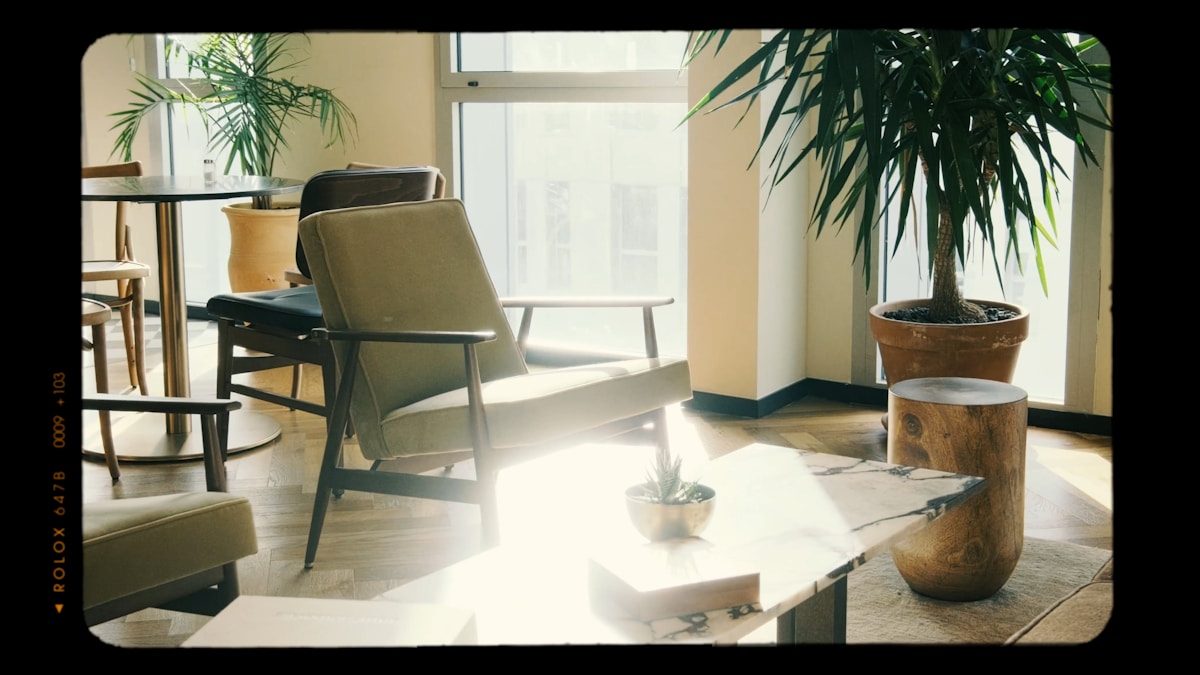
Imagine waking up in a bedroom where morning light filters through sheer linen curtains, landing softly on a reclaimed oak bedside table adorned with trailing pothos. The air feels fresher, your stress melts away, and you're ready to face the day with renewed energy. This isn't a luxury retreat—it's the transformative power of biophilic interior design in your own home.
If you've been feeling disconnected, stressed, or uninspired by your living spaces, you're not alone. Modern life increasingly separates us from the natural world, and our homes often reflect that disconnect with synthetic materials, artificial lighting, and sterile colour palettes. But there's a growing movement reclaiming our innate need for nature, and it's backed by solid science. Let's explore how you can bring the restorative benefits of the outdoors into every room of your home—with practical, sustainable sourcing options right here in Europe.
What Biophilic Design Actually Means (Beyond "Add a Plant")
Biophilic design is the practice of connecting building occupants more closely to nature through the use of direct nature, indirect nature, and spatial conditions that mimic natural environments. The term comes from "biophilia," meaning humanity's innate attraction to nature and natural processes.
While many people think biophilic design simply means scattering a few houseplants around, it's far more comprehensive. True biophilic design integrates natural materials, natural light, organic shapes, natural colours, water elements, and views of nature into the very fabric of your space. It's about creating environments that engage multiple senses and foster the same feelings of calm, wonder, and vitality we experience outdoors.
The concept gained mainstream attention through architect and biologist Stephen Kellert's work, which identified 70+ design attributes across six key elements. For residential interiors, this translates into thoughtful choices: a cork floor instead of vinyl, a water feature that provides gentle ambient sound, furniture with curved edges rather than harsh angles, and colour palettes drawn from earth, sea, and sky.
The Science: Why Biophilic Design Improves Wellbeing
The benefits of biophilic design aren't just anecdotal—they're measurable. A landmark 2015 study published in the Journal of Environmental Psychology found that office workers in spaces with natural elements reported 15% higher wellbeing scores and 6% higher productivity compared to those in environments devoid of nature.
Research from the University of Melbourne demonstrated that even a 40-second "micro-break" to view a green roof improved focus and reduced errors on attention-demanding tasks. When it comes to stress reduction, studies consistently show that exposure to natural elements lowers cortisol levels, reduces blood pressure, and improves heart rate variability—markers of a healthier stress response.
The Harvard T.H. Chan School of Public Health conducted a comprehensive study tracking 100,000 women over eight years. Those living in the greenest surroundings had a 12% lower mortality rate compared to those in the least green environments. Whilst this study focused on outdoor greenery, it underscores our biological need for nature—a need that biophilic interior design helps satisfy when outdoor access is limited.
For Elena, an architect managing complex projects whilst maintaining work-life balance, these findings are particularly relevant. A biophilically designed home office or living room can provide daily restoration, reducing the cumulative stress of demanding workdays and creating a sanctuary that truly feels like home.
8 Biophilic Elements to Incorporate

1. Natural Materials
Swap synthetic materials for authentic wood, stone, bamboo, cork, linen, wool, and clay. These materials engage our tactile senses and carry subtle variations that synthetic alternatives can't replicate. Reclaimed or FSC-certified wood furniture, stone countertops, terracotta planters, and wool rugs all contribute to a more grounded, organic atmosphere.
Natural materials also age beautifully, developing character over time rather than simply looking worn. A solid oak dining table will gain a rich patina; a leather sofa will soften and mould to your body. This patina tells a story and creates a living environment that evolves with you.
2. Natural Light
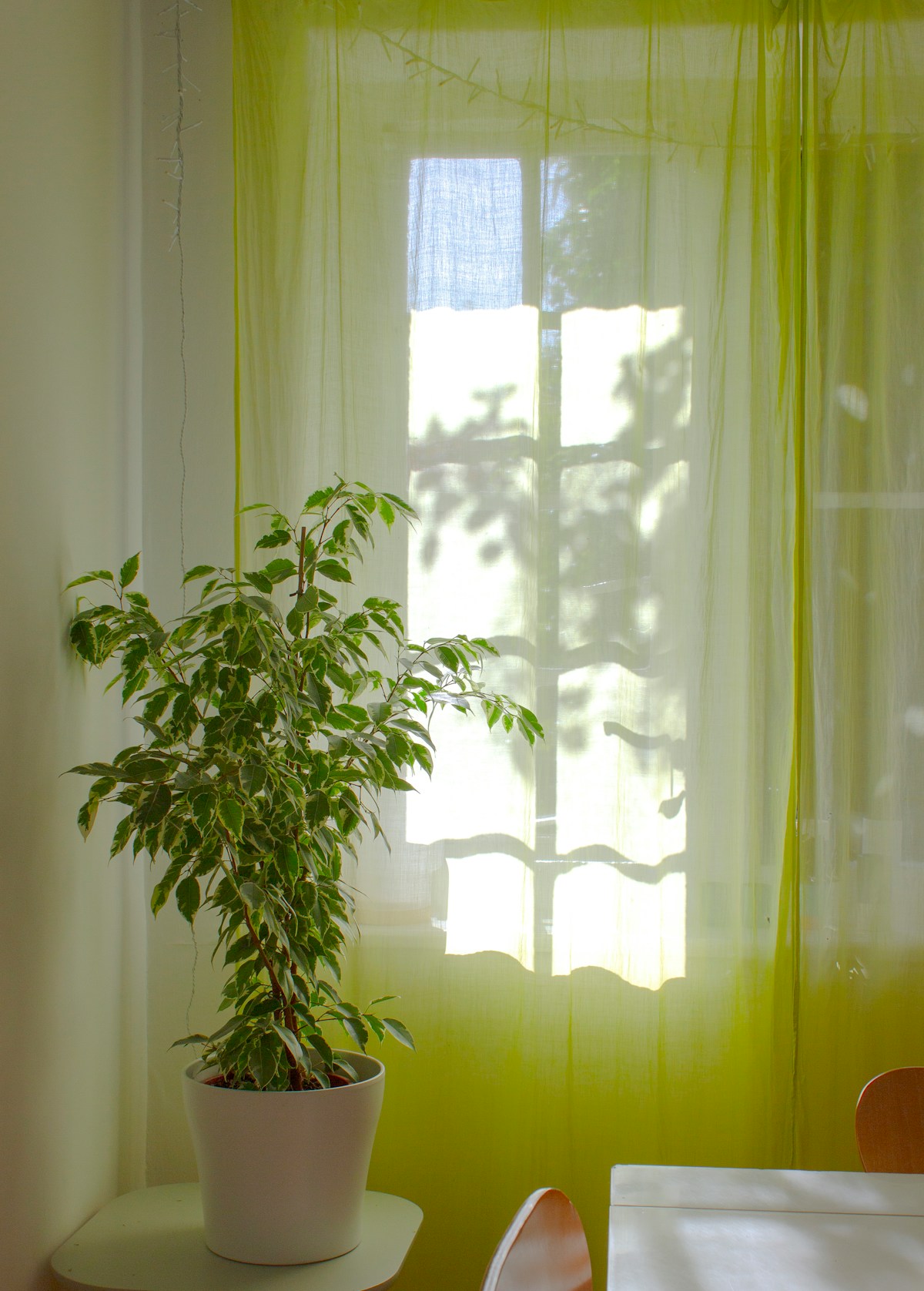
Maximise daylight through strategic window placement, sheer curtains, mirrors, and light-reflective surfaces. Natural light regulates our circadian rhythms, improves mood, and reduces reliance on artificial lighting. Consider removing heavy window treatments, positioning mirrors opposite windows to bounce light deeper into rooms, and choosing light-coloured, matte finishes for walls.
In rooms with limited natural light, use full-spectrum bulbs that mimic daylight's colour temperature (5000-6500K for task areas, 2700-3000K for evening relaxation). Dimmable lighting allows you to adjust intensity throughout the day, supporting your natural sleep-wake cycle.
3. Living Plants
Incorporate a variety of plants at different heights and scales—from large statement floor plants like fiddle-leaf figs or monstera deliciosa to trailing pothos on shelves and small succulents on desks. Plants improve air quality by filtering toxins, increase humidity (beneficial in heated European homes), and provide visual interest through their organic forms and seasonal changes.
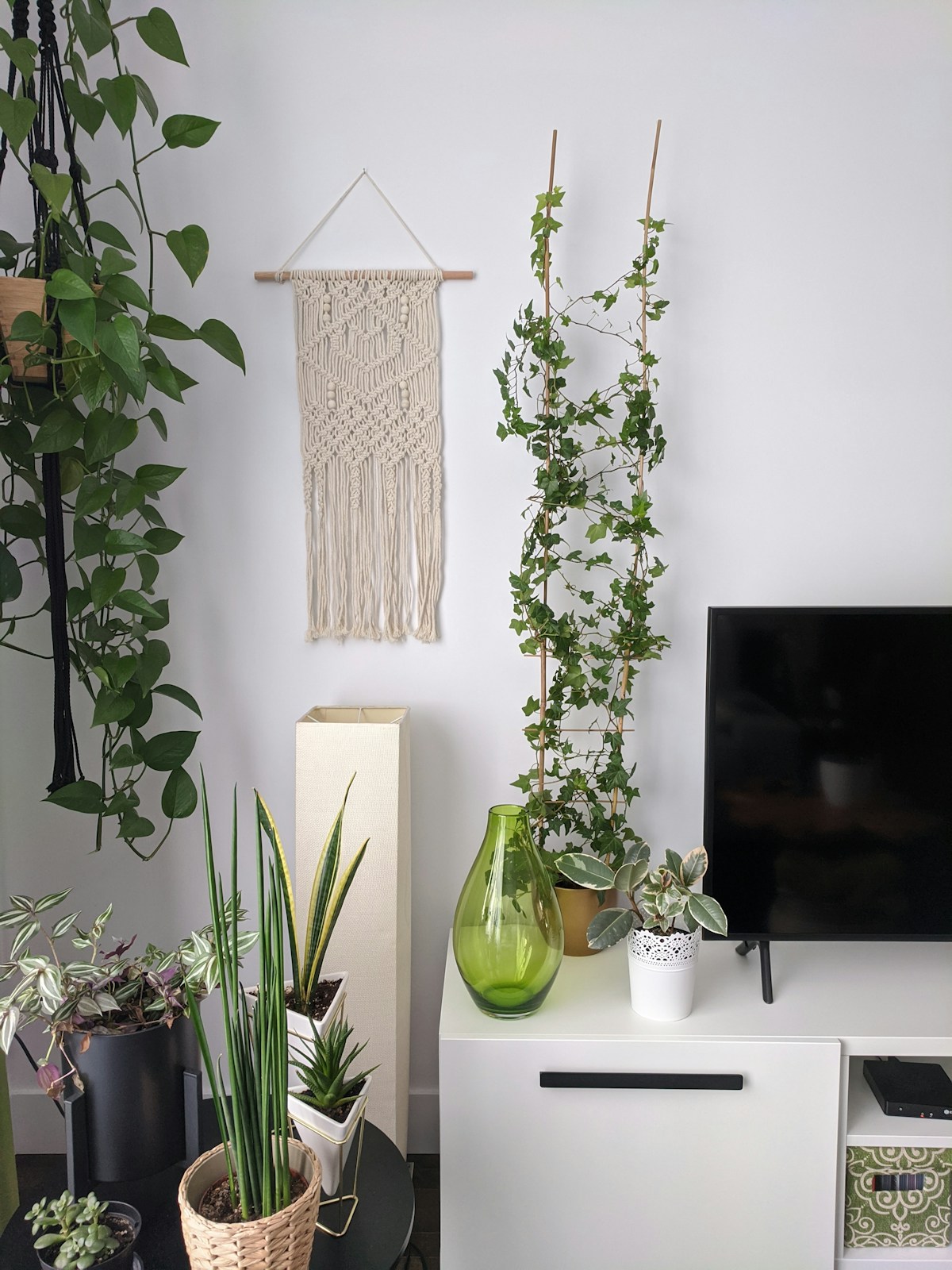
Don't feel pressured to maintain dozens of high-maintenance species. Even a few well-chosen, hardy plants like snake plants, ZZ plants, or peace lilies can transform a space. Group plants in odd numbers for a more natural aesthetic, and vary pot materials—ceramic, terracotta, woven baskets—to add textural diversity.
4. Water Features
The sound of moving water is deeply calming, masking disruptive urban noise whilst evoking natural streams and rainfall. Small tabletop fountains, wall-mounted water features, or even aquariums introduce this element without requiring major renovations.
Water features also add humidity to dry indoor environments and create a focal point that draws the eye. Choose designs in natural materials—stone, copper, ceramic—rather than plastic to maintain an authentic biophilic aesthetic.
5. Organic Shapes
Move away from rigid, geometric furniture and decor. Curved edges, flowing lines, and irregular forms feel more welcoming and natural. An oval dining table, a kidney-shaped coffee table, or a round mirror with an irregular live-edge wood frame all soften a room's energy.
Even small touches matter: rounded ceramic vases instead of square glass ones, an arched doorway or mirror, or freeform sculptures. Our brains recognise these shapes as non-threatening and harmonious, reducing subconscious stress.
6. Views and Visual Connections to Nature
If you're fortunate enough to have garden or park views, frame them strategically with window placement and furniture arrangement. Position seating to face windows, keep sightlines clear, and use the view as living artwork.
For urban flats without green views, create visual proxies: large-scale nature photography or botanical prints, wallpaper murals depicting forests or meadows, or even living moss walls. Whilst not identical to real views, these images still activate the brain's biophilic response.
7. Natural Colours
Build your palette around earth tones, ocean hues, and foliage greens: warm terracottas, soft sage, deep forest green, sandy beige, sky blue, and clay pink. These colours ground us and create a cohesive connection to the natural world.
Avoid overly saturated or artificial shades (think neon or synthetic pastels) in favour of colours with complexity—greens with grey undertones, blues with hints of green, browns with warm red bases. Layer multiple natural tones rather than relying on a single dominant colour for depth and interest.
8. Natural Textures
Texture is the unsung hero of biophilic design. Rough-hewn wood, smooth river stones, nubby linen, chunky knit throws, woven rattan, and brushed leather all invite touch and create sensory richness. Contrast textures within a room: pair a sleek marble side table with a chunky wool pouf, or a smooth leather sofa with a jute rug.
Textural variety prevents spaces from feeling flat or sterile. Even if your colour palette is neutral, abundant texture creates visual interest and warmth.
Sourcing Biophilic Products in Europe: A Practical Guide
One of the biggest challenges in implementing biophilic design is finding sustainable, high-quality products that align with European environmental values. Unlike generic design advice that points to international retailers with dubious supply chains, you deserve a curated guide to trustworthy European sources.
Sustainable Furniture Retailers
IKEA has significantly improved its sustainability credentials, with over 60% of products now made from renewable or recycled materials. Look for their "Better Air Now" plant collection, solid wood furniture lines (HEMNES, IVAR), and bamboo accessories. Their INDUSTRIELL collection features reclaimed teak and responsible rattan.
Maisons du Monde offers a "Sustainable Choices" filter on their website, highlighting furniture made from FSC-certified wood, recycled materials, and organic textiles. Their natural materials range includes rattan chairs, solid mango wood sideboards, and reclaimed timber dining tables—all with transparent sourcing information.
Westwing curates daily sales featuring sustainable brands. Filter by "eco-friendly" to discover solid oak bed frames, natural linen bedding, and handwoven rugs. Their editorial content often highlights artisan makers and sustainable production methods, helping you make informed choices.
HAY (available across Europe) combines Scandinavian design with sustainability commitments. Their use of FSC-certified wood, recycled plastics, and responsible wool makes them an excellent choice for biophilic furniture that doesn't sacrifice contemporary aesthetics.
Connox stocks premium European brands with strong environmental credentials. Look for brands like Muuto (recycled materials), Gubi (FSC-certified wood), and Ferm Living (organic textiles and sustainable production).
Natural Material Specialists
For reclaimed and solid wood furniture, explore local salvage yards and artisan makers. Platforms like Etsy connect you with European craftspeople creating one-of-a-kind pieces from reclaimed timber. Search terms like "reclaimed wood furniture [your country]" yield regional makers who can custom-create pieces whilst minimising shipping emissions.
The Natural Furniture Company (UK) ships across Europe and specialises in solid hardwood furniture with natural oil finishes—no veneers or particle board. Their transparent supply chain and lifetime structural guarantee ensure long-term sustainability.
For natural textiles, seek out organic cotton, linen, hemp, and wool from certified sources. Urbanara offers GOTS-certified organic bedding and towels, plus beautiful linen curtains and wool throws. Their European production (primarily Portugal and Lithuania) means lower transport emissions.
The Rug Company and benuta both offer natural fibre rugs—jute, sisal, wool, and cotton—in various sizes and styles. Wool rugs, in particular, are naturally stain-resistant, durable, and biodegradable, making them a supremely sustainable flooring choice.
Eco-Certified Housewares and Decor
Ceramic and terracotta planters are widely available from garden centres, but for design-forward options, check & Klevering (Dutch brand with EU-wide shipping), Bloomingville (Danish brand available through Connox and Westwing), and Broste Copenhagen (Scandinavian aesthetic, natural materials).
For eco-friendly lighting, look beyond mass retailers to brands like Forestier (pendant lamps made from natural fibres), Tom Raffield (steam-bent wood lamps from Cornwall), and Graypants (recycled cardboard pendant lights). These statement pieces become sculptural focal points whilst maintaining biophilic principles.
Sustainable bedding and textiles abound at Soak & Sleep (UK, ships to EU; GOTS-certified organic cotton), Yumeko (Netherlands; organic cotton and linen, transparent supply chain), and Grüne Erde (Austria; one of Europe's pioneering sustainable furniture and textile brands, using natural latex, organic wool, and solid wood).
ArcOps: Your Sourcing Companion
As you explore these retailers, tracking products, comparing prices, and managing delivery timelines across multiple countries can quickly become overwhelming. This is where ArcOps transforms your sourcing workflow. Rather than juggling browser tabs, spreadsheets, and handwritten notes, ArcOps consolidates everything in one place.
Imagine creating a "Living Room Biophilic Refresh" project within ArcOps, then adding products from IKEA, Westwing, and local artisan makers—complete with images, prices, delivery dates, and notes. You can compare that reclaimed oak coffee table from Etsy against the FSC-certified option from HAY, track which items are in stock, and share the entire mood board with your partner or interior designer for feedback.
For architects like you, Elena, who already manage complex projects, ArcOps extends that same rigorous organisation to your personal interiors. Apply the same systematic approach you use professionally to your home, ensuring nothing falls through the cracks and every choice aligns with your sustainability values. When a product goes out of stock, you have backup options saved. When your budget shifts, you can instantly see where to adjust. It's project management for interiors—without the corporate jargon.
Supporting Local and Artisan Makers
Beyond major retailers, prioritise local craftspeople whenever possible. Local makers reduce transportation emissions, support regional economies, and often create higher-quality pieces with greater longevity. Search for woodworkers, ceramicists, textile artists, and furniture makers in your area through platforms like Etsy, Instagram (search hashtags like #sustainablefurniture[YourCity]), and local maker markets.
Commissioning custom pieces ensures you get exactly what you need whilst supporting craftsmanship. A local carpenter can build shelving from reclaimed timber to fit your exact specifications. A local potter can create planters in colours that match your palette. These investments cost more upfront but deliver value through uniqueness, quality, and sustainability.
Room-by-Room Biophilic Styling Ideas
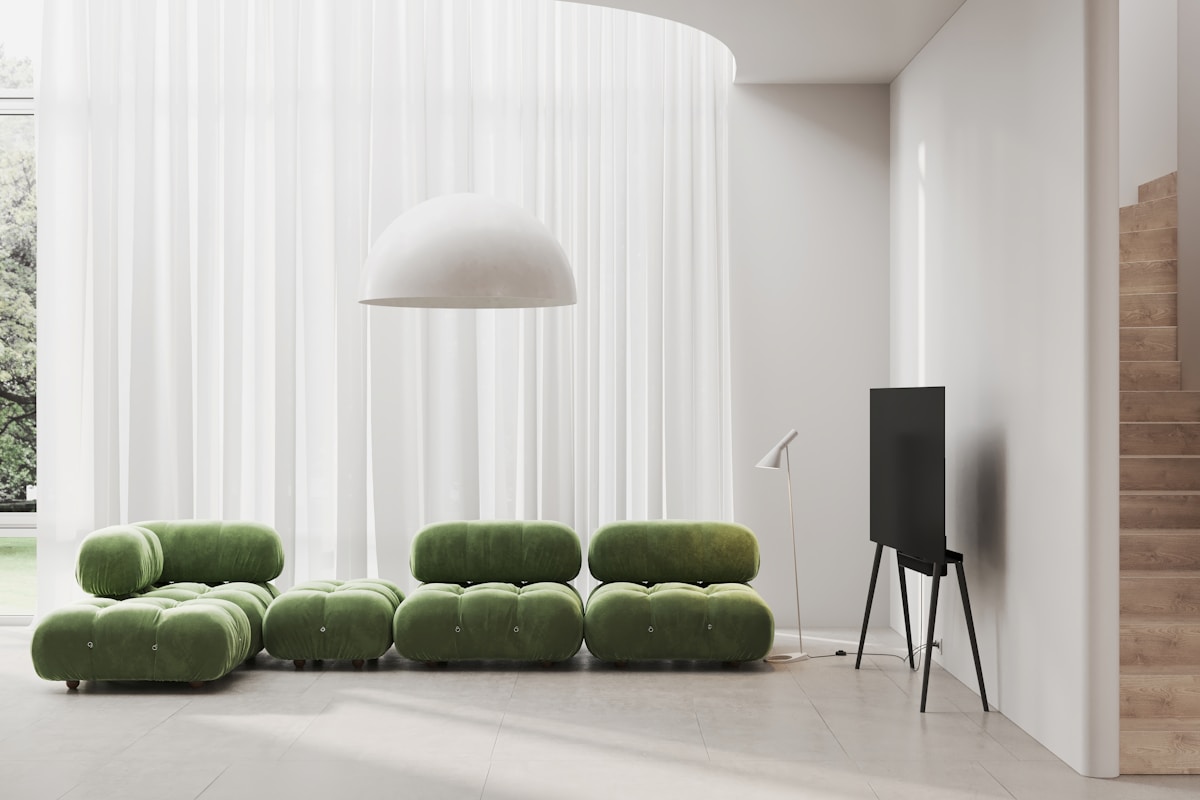
Living Room: The Social Heart
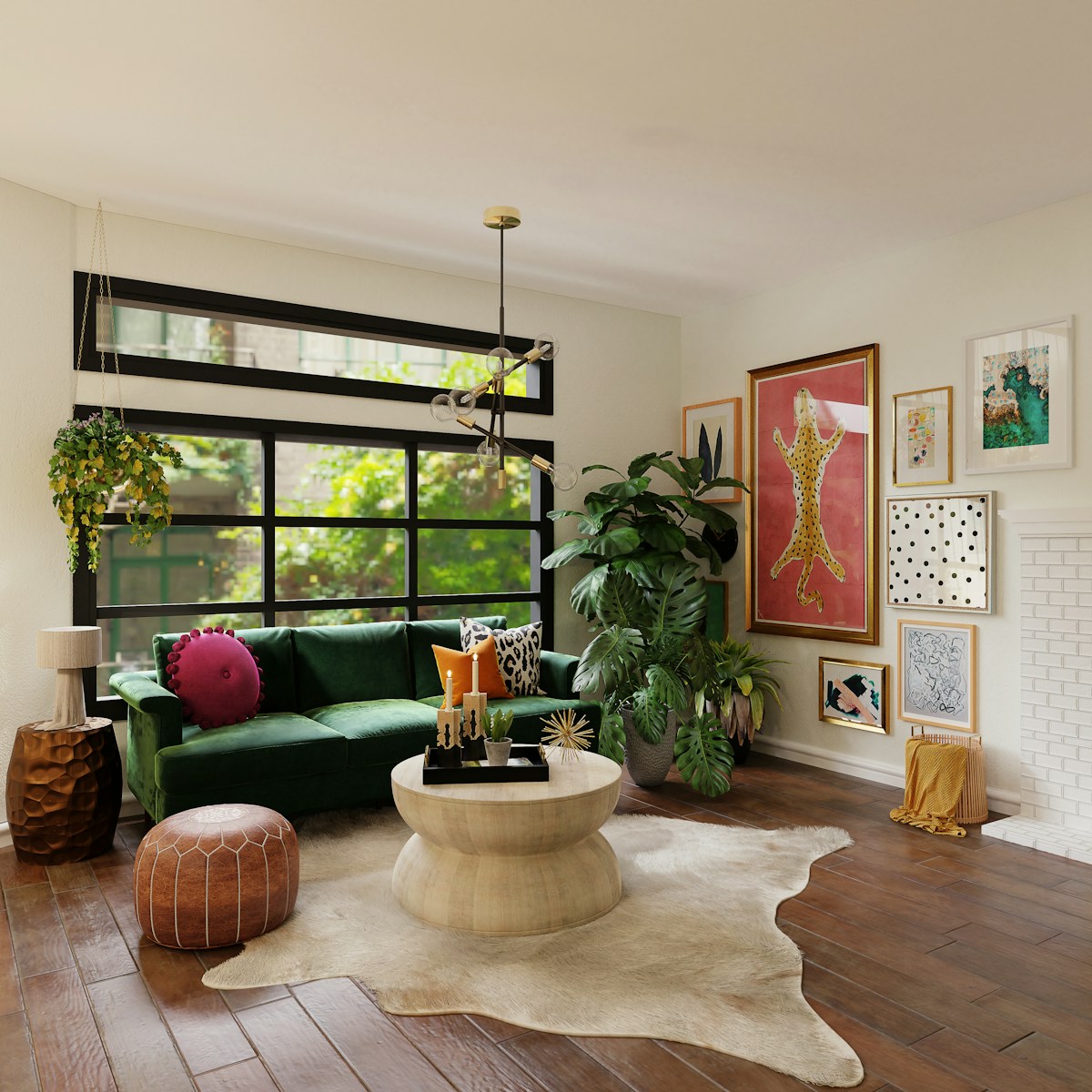
Start with a foundation of natural materials. A solid wood coffee table (try Maisons du Monde's reclaimed timber collections or a custom piece from a local maker) anchored on a large jute or wool rug creates instant warmth. Add a linen sofa in a neutral earth tone—brands like Sofacompany (Scandinavian, sustainable production) offer customisable options in OEKO-TEX certified fabrics.
Layer in plants at varying heights: a large monstera or fiddle-leaf fig in a terracotta pot in one corner, a trailing pothos on a bookshelf, and small succulents on the coffee table. Position seating to face windows or garden views, and replace heavy curtains with sheer linen panels that filter light softly (Urbanara's linen curtains are particularly beautiful).
For lighting, choose natural-fibre pendant lamps (Forestier's bamboo or rattan designs) or a statement floor lamp in bent wood (Tom Raffield). Add warmth with layered textiles: wool or alpaca throws draped over the sofa, linen cushions in sage and terracotta, and a chunky knit pouf for extra seating.
Product recommendations:
- Coffee table: Maisons du Monde "Kauthar" reclaimed wood coffee table (€299)
- Rug: benuta natural jute rug, 200×300 cm (€189)
- Sofa: Sofacompany "Osaka" in natural linen (from €1,599)
- Plants: Monstera deliciosa (€35-60 from Bakker.com or local garden centres)
- Curtains: Urbanara Bran linen curtains, natural (from €79)
Bedroom: A Restorative Retreat
Your bedroom should be a sanctuary of calm, free from clutter and synthetic materials. Start with organic bedding—GOTS-certified cotton or linen sheets feel luxurious and breathable (Yumeko's organic cotton percale is exceptional). Choose a solid wood bed frame in natural oak or walnut rather than upholstered or metal options.
Keep the colour palette soft and soothing: warm whites, gentle greiges, soft sage, or dusty blue. A terracotta accent wall behind the bed (or terracotta bedding) adds warmth without overwhelming the space. Hang sheer linen curtains for privacy whilst maximising morning light.
Add a few low-maintenance plants: a snake plant (air-purifying and nearly indestructible) on the bedside table or a small pothos on a shelf. Include a small water feature or essential oil diffuser for calming scent and sound. Underfoot, a soft wool rug cushions your first steps of the day.
For storage, choose natural woven baskets (seagrass, rattan, or wicker) instead of plastic bins. They're functional, beautiful, and maintain the organic aesthetic.
Product recommendations:
- Bedding: Yumeko organic cotton percale duvet cover set (from €129)
- Bed frame: IKEA HEMNES solid pine bed frame (from €279) or The Natural Furniture Company oak bed (from €995)
- Rug: benuta wool rug, 140×200 cm, natural (€149)
- Curtains: Urbanara Bellvis linen curtains, white (from €69)
- Baskets: IKEA FLÅDIS seagrass baskets, set of 3 (€24.99)
- Paint: Farrow & Ball "Setting Plaster" or "Jitney" (terracotta accent)
Kitchen: Natural Materials That Work
Kitchens demand durability, but biophilic principles still apply. If renovating, opt for wood or stone countertops (butcher block, granite, marble) over laminate. For a lighter refresh, focus on textiles and accessories.
Swap synthetic dish towels for linen or organic cotton tea towels (Urbanara, &Klevering). Replace plastic cutting boards with bamboo or solid wood. Store bulk goods (rice, pasta, flour) in glass jars or ceramic canisters rather than plastic containers—it's both beautiful and sustainable.
Introduce plants that thrive in kitchens: herbs on the windowsill (basil, thyme, rosemary in terracotta pots) provide visual interest and fresh flavours. Hang a woven basket or macramé plant hanger for trailing pothos or ivy.
Choose wooden utensils and bowls over plastic or metal. Display them openly on counters or in a ceramic utensil crock for easy access and organic warmth. A small water feature (even a decorative carafe with floating flowers) on a shelf adds life.
Product recommendations:
- Tea towels: Urbanara Viana linen tea towels, set of 2 (€19)
- Cutting board: IKEA PROPPMÄTT bamboo cutting board (€12.99)
- Canisters: Bloomingville ceramic storage jars (from €15 each via Westwing)
- Herbs: Terracotta pots + herb seedlings (€3-5 per plant at garden centres)
- Utensils: Wooden spoon set (€20-30 from Etsy or local makers)
Bathroom: A Spa-Like Escape
Transform your bathroom into a spa-inspired sanctuary with natural materials and calming colours. Swap plastic bath mats for bamboo duck boards or natural cotton bath mats. Replace plastic soap dispensers and toothbrush holders with ceramic or glass alternatives (Bloomingville and &Klevering offer beautiful options).
Choose organic cotton towels in soft, natural tones—white, sand, sage, or grey (Soak & Sleep, Urbanara). Display them on wooden shelves or rattan baskets rather than in closed cabinets to create a boutique hotel feel.
Add a few humidity-loving plants: ferns, pothos, or air plants thrive in steamy bathrooms and soften hard surfaces. Place them on shelves, hang them from hooks, or cluster small plants on the windowsill.
For scent, use essential oils or soy candles in ceramic holders rather than synthetic air fresheners. Eucalyptus bunches hung from the showerhead release a spa-like aroma when exposed to steam—a simple luxury that costs just a few euros at the florist.
Product recommendations:
- Bath mat: IKEA UPPVAN bamboo bath mat (€9.99)
- Towels: Urbanara Casca organic cotton towels (from €12)
- Soap dispenser: Bloomingville ceramic soap dispenser (€14 via Connox)
- Plants: Boston fern in ceramic pot (€12-18 from Bakker.com)
- Candles: &Klevering soy wax candles in ceramic holders (from €16)
Home Office: Focus and Calm
If you work from home, your office environment directly impacts productivity and wellbeing. Start with ergonomic furniture in natural materials: a solid wood desk (IKEA LISABO oak, €199, or custom from local maker) and a supportive chair (HAY's About A Chair in wood and wool blend, €499).
Maximise natural light by positioning your desk perpendicular to a window—this provides ample light without screen glare. Add a desk lamp with adjustable colour temperature for evening work sessions.
Incorporate plants that improve air quality and focus: a ZZ plant or snake plant in a large floor planter beside the desk, and smaller succulents or cacti on shelves. A small tabletop water feature masks distracting noise and creates a calming soundscape.
Keep the colour palette focused and calming: soft blues (concentration), greens (balance), or warm neutrals. Display inspiring nature photography or botanical prints in wooden frames. Use natural fibre desk accessories: a wool desk mat, linen cable organisers, wooden pen holders.
Product recommendations:
- Desk: IKEA LISABO solid oak desk (€199) or custom from local carpenter (€400-800)
- Chair: HAY About A Chair AAC22 (from €499 via Connox)
- Desk lamp: Forestier Bamboo Light (€199 via Connox)
- Plants: ZZ plant in terracotta pot (€25-40 from Bakker.com)
- Water feature: Small tabletop fountain (€30-60 from garden centres or Amazon)
- Desk accessories: Wooden desk organiser (€25-40 from Etsy)
Key Takeaways
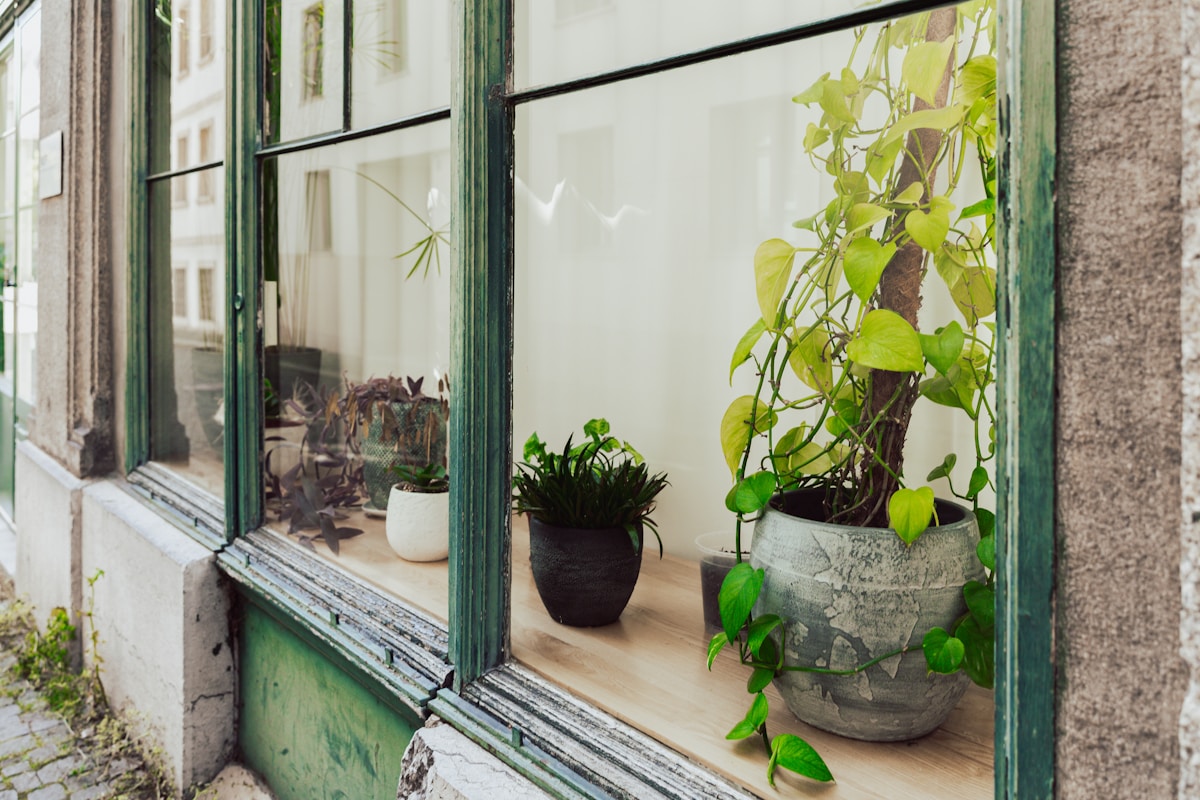
- Biophilic design goes far beyond houseplants—it's a holistic approach incorporating natural materials, light, colours, textures, organic shapes, and sensory connections to nature.
- The science is clear: biophilic environments measurably reduce stress, improve focus, enhance wellbeing, and even contribute to better long-term health outcomes.
- Eight core elements form the foundation of biophilic interiors: natural materials, natural light, living plants, water features, organic shapes, views of nature, natural colours, and varied natural textures.
- Sustainable sourcing in Europe is easier than ever, with major retailers (IKEA, Maisons du Monde, Westwing, HAY) offering eco-certified options alongside specialised makers prioritising natural materials and ethical production.
- Room-by-room implementation makes biophilic design achievable—start with one space, focus on a few key changes (solid wood furniture, organic textiles, plants, natural light), and build from there.
- Local artisans and makers offer unique, high-quality alternatives to mass-produced furniture, supporting regional economies whilst reducing transportation emissions.
- Project management tools like ArcOps streamline the sourcing process, helping you track products, compare options, manage budgets, and coordinate deliveries across multiple European retailers—bringing professional rigour to your personal interiors.
Frequently Asked Questions
Is biophilic design expensive to implement?
Not necessarily. Whilst high-end pieces like custom solid wood furniture or designer natural-fibre lighting can be costly, many biophilic principles are budget-friendly. Painting walls in natural tones (€30-60 per room), adding houseplants (€5-40 each), swapping synthetic textiles for linen or cotton (comparable prices), and maximising natural light (free) create significant impact. Prioritise foundational pieces like a solid wood dining table or organic bedding—items you use daily that offer long-term value—then gradually layer in smaller elements as budget allows.
What are the best low-maintenance plants for biophilic design?
Snake plants, ZZ plants, pothos, and peace lilies are virtually indestructible and thrive in various light conditions. These workhorses of the plant world require watering only every 1-3 weeks, tolerate neglect, and still deliver air-purifying benefits and visual appeal. Succulents and cacti need even less water but prefer bright light. If you have a history of killing plants, start with one or two hardy varieties and build confidence before expanding your collection.
Can I achieve biophilic design in a rental where I can't renovate?
Absolutely. Focus on furniture, textiles, plants, lighting, and decor—all elements you can take with you. Choose solid wood or natural-fibre furniture over synthetic pieces. Layer organic cotton or linen bedding, throws, and curtains. Fill your space with plants in portable pots. Use temporary wallpaper or large-scale nature photography to create visual connections to the outdoors. Maximise natural light by keeping windows unobstructed and adding mirrors. These changes require no permanent alterations yet transform the feel of your space.
How do I know if furniture is genuinely sustainable or just greenwashed?
Look for credible third-party certifications: FSC (Forest Stewardship Council) for wood, GOTS (Global Organic Textile Standard) for textiles, OEKO-TEX for fabrics, and EU Ecolabel or Nordic Swan for various products. Read the retailer's sustainability page—transparent brands detail their supply chains, materials, and manufacturing processes. Be wary of vague claims like "eco-friendly" without supporting evidence. When in doubt, favour solid wood, natural fibres, and locally made pieces from artisans who can explain their sourcing and production methods directly.
How does biophilic design work with modern or minimalist aesthetics?
Biophilic principles enhance rather than conflict with modern design. Scandinavian interiors, for example, epitomise biophilic minimalism: clean lines, abundant natural light, pale wood, neutral tones, and carefully curated plants. The key is restraint—choose furniture with simple, organic shapes in natural materials, maintain an edited colour palette drawn from nature, and limit accessories to a few high-impact pieces (a statement plant, a natural-fibre pendant lamp, a wool rug). Biophilic design isn't about maximalism; it's about intentional connection to nature, which aligns perfectly with minimalist values of quality, simplicity, and mindfulness.
Ready to transform your home into a nature-inspired sanctuary? Start by identifying one room that feels disconnected or stressful, then implement two or three biophilic elements this month—perhaps a few plants, organic bedding, or a solid wood piece. Notice how you feel in the space after these changes. Small shifts create momentum, and before long, your entire home will radiate the calm, restorative energy of the natural world.
For a systematic approach to sourcing and implementing these ideas, explore how [ArcOps](#) can streamline your design process, keeping all your inspirations, products, and plans organised in one intuitive platform—because creating your dream home shouldn't feel like a second full-time job.
Related reading: [Design Trends Roundup](#) | [Colour Trends Guide](#) | [Product Sourcing Guide](#)