

French Interior Design: Sourcing, Style, and Business Opportunities for European Designers
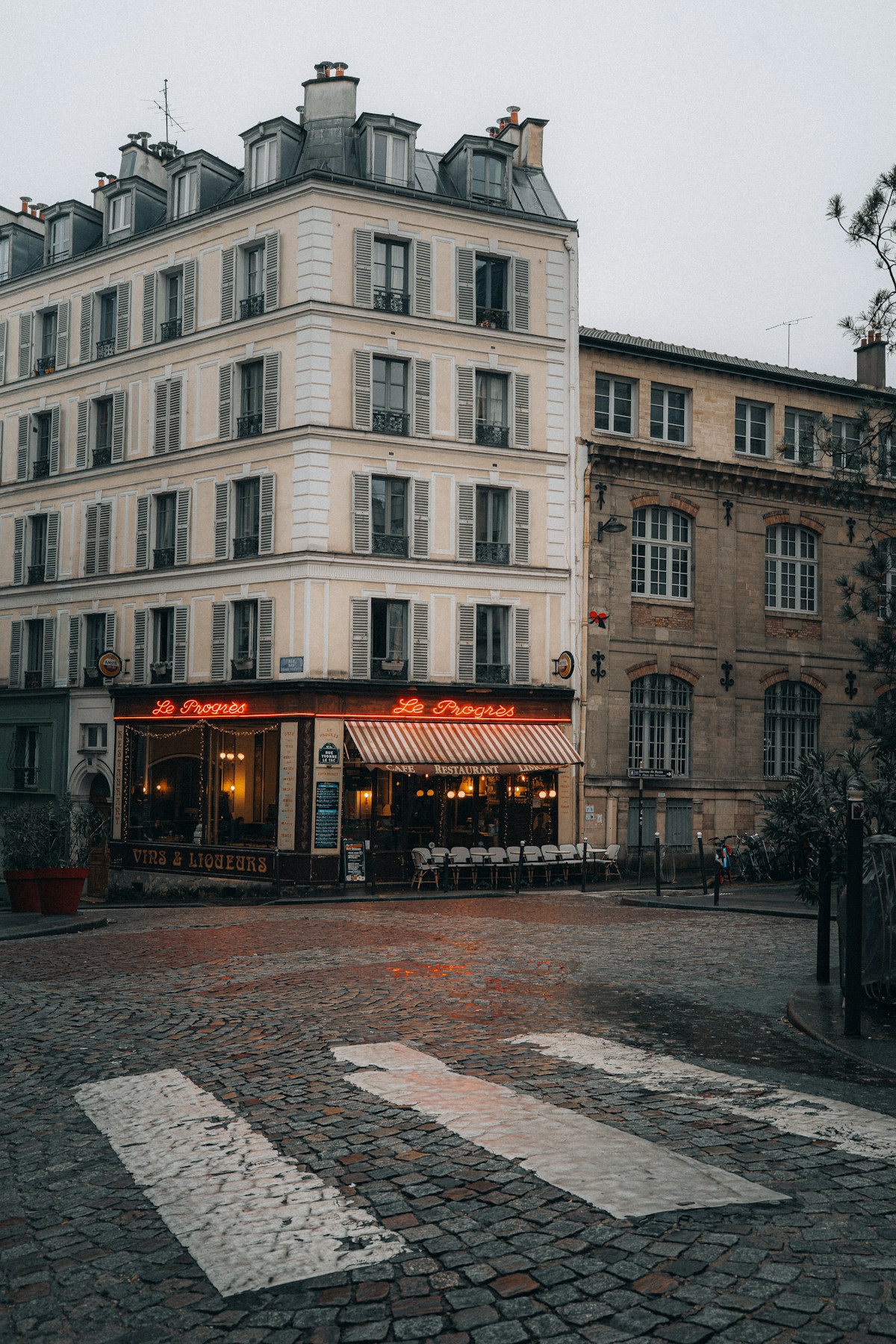
Elena, France isn't just a romantic destination—it's one of Europe's most dynamic interior design markets, and it's opening doors for designers who know how to navigate its unique blend of heritage and innovation. With over 30,500 registered architects and the highest interior design software growth rate in the EU (10.6% CAGR), the French market represents a genuine opportunity for cross-border collaboration that goes beyond the clichés of Parisian chic.
Whether you're considering French clients, sourcing from French retailers, or simply drawing inspiration from the country's evolving aesthetic, understanding this market means recognising both its scale and its distinctiveness. France combines reverence for craftsmanship with an appetite for contemporary solutions, creating a landscape where traditional savoir-faire meets digital-first retail platforms.
Let me walk you through what makes French interior design worth your attention—from market fundamentals to practical sourcing strategies.
The French Interior Design Market: Size, Growth, and Professional Landscape
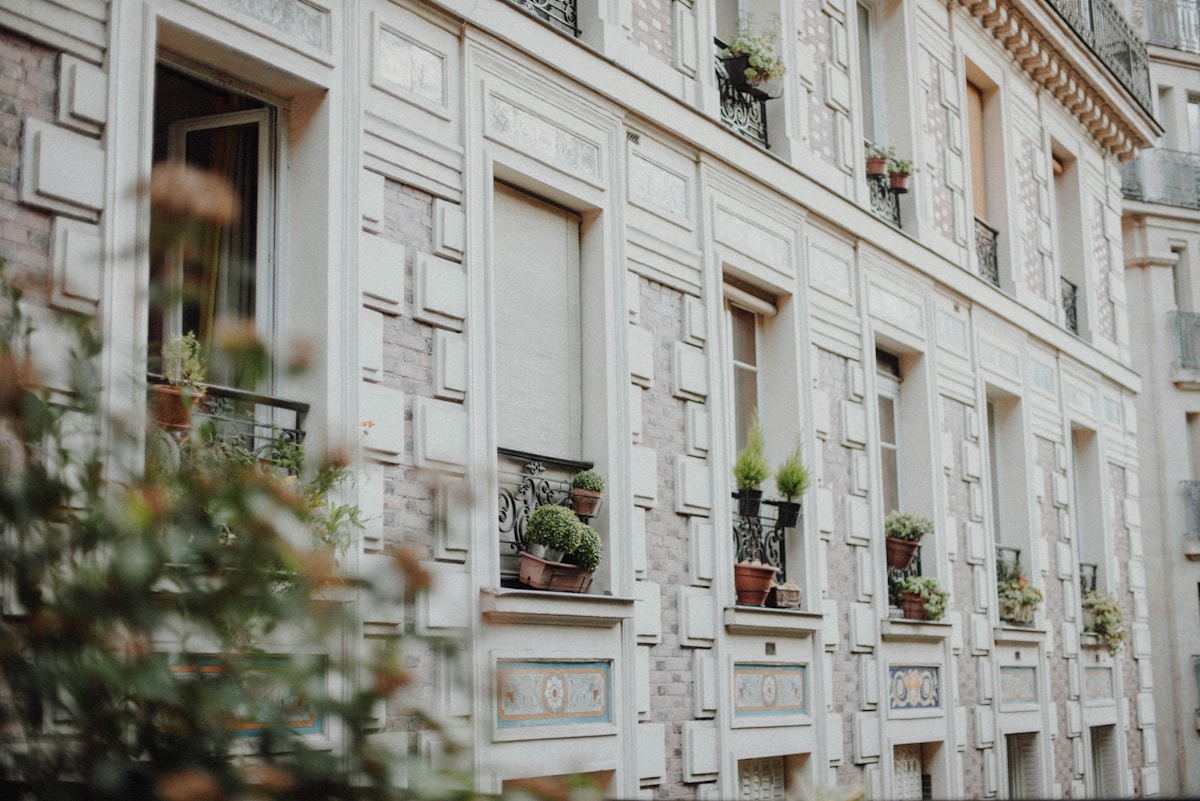
France's interior design sector is substantial and growing. With 30,500 architects registered as of recent data, the country maintains one of Europe's largest professional design communities. But the real signal of opportunity lies in technology adoption: France shows the highest projected growth rate for interior design software in the EU at 10.6% CAGR, indicating a market that's modernising rapidly.
This growth isn't happening in isolation. French consumers spent an estimated €12.8 billion on furniture and home furnishings in 2023, with digital channels capturing an increasing share. The shift toward online specification and e-commerce platforms means French retailers are investing heavily in digital catalogues, 3D visualisation, and designer-friendly tools—exactly the infrastructure that makes cross-border sourcing more feasible.
The professional landscape is evolving too. While France has historically favoured architects (architectes d'intérieur) with formal qualifications, the market now accommodates decorateurs and international designers, especially for residential projects. This gradual opening creates space for European designers with strong portfolios, even without French-specific credentials.
Paris remains the epicentre, but secondary cities like Lyon, Bordeaux, Nantes, and Toulouse are developing their own design ecosystems, often with lower competition and clients eager for fresh perspectives. If you're considering French projects, looking beyond the capital can yield surprising opportunities.
The French Design Aesthetic: Art de Vivre Meets Contemporary Maximalism
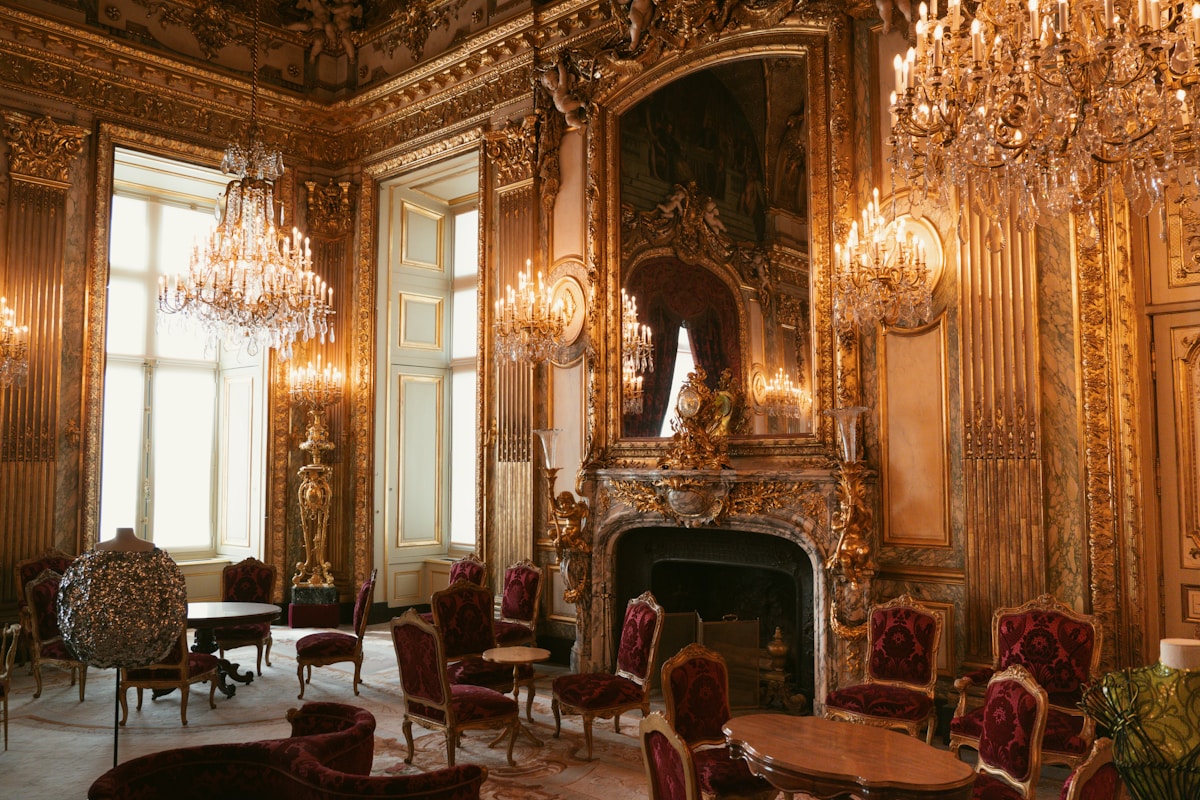
French interior design isn't monolithic, but certain characteristics persist across projects and eras. At its heart lies l'art de vivre—the art of living well—which prioritises comfort, beauty, and a certain effortless elegance over minimalist austerity. This philosophy shapes everything from spatial planning to material selection.
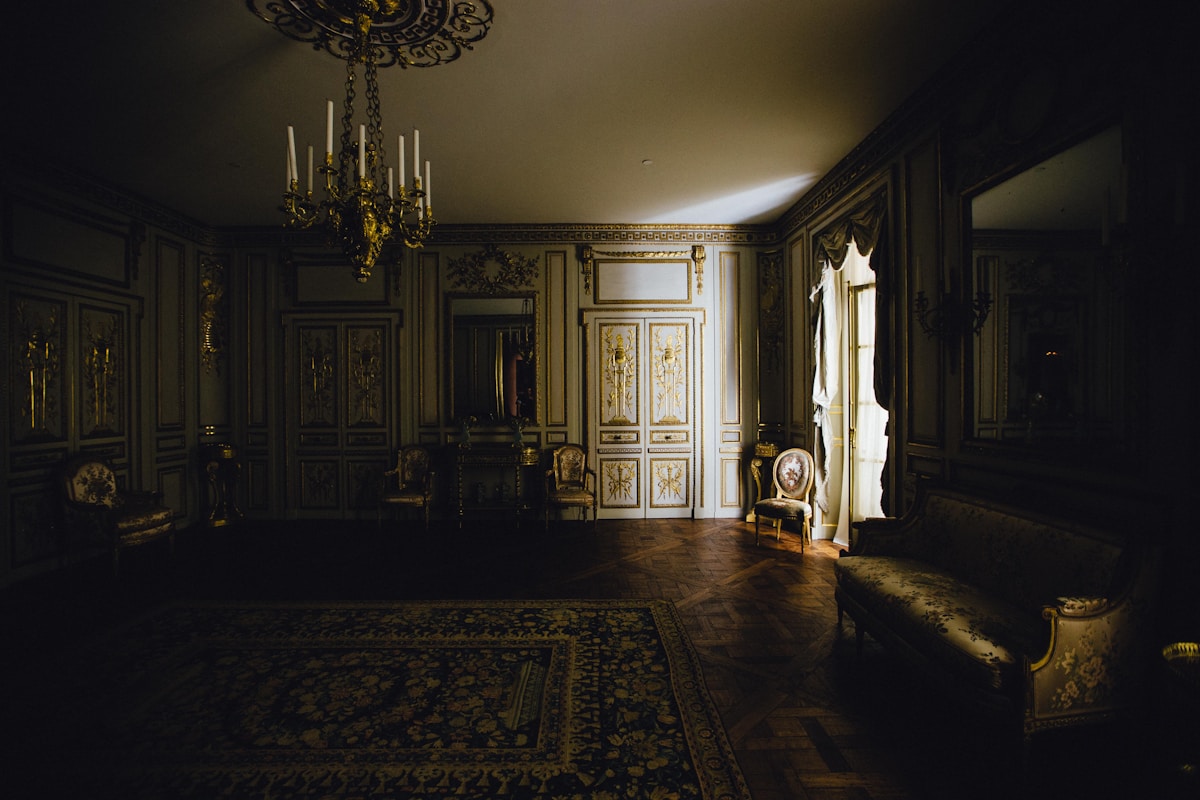
One defining characteristic is the mixing of periods and styles. French interiors comfortably layer 18th-century antiques with contemporary furniture, pairing a Louis XVI bergère with a modernist coffee table. This approach requires confidence and restraint—it's not eclectic for its own sake, but rather a curated dialogue between eras that feels both personal and timeless.
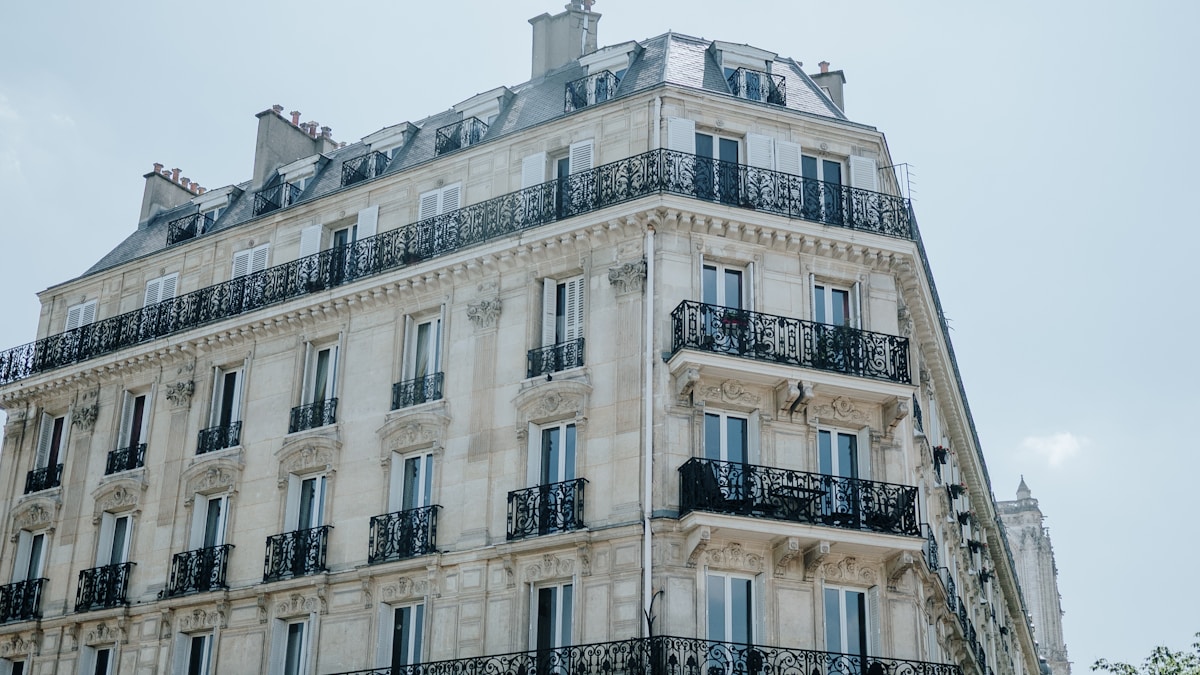
Haussmannian architecture continues to influence French residential design, even in new builds. High ceilings, herringbone parquet (parquet chevron), ornate mouldings, and marble fireplaces set a baseline aesthetic that clients expect designers to respect, not erase. The challenge—and opportunity—lies in honouring these heritage elements while introducing contemporary function and comfort.
Interestingly, maximalism is making a return in French interiors, particularly among younger clients. After years of Scandinavian-influenced minimalism, there's renewed appetite for pattern, colour, and decorative abundance. Think bold wallpapers, layered textiles, gallery walls, and statement lighting. This shift creates space for designers who love richness and detail.
Colour palettes tend toward muted sophistication: greys, taupes, navy, deep greens, and terracotta rather than stark whites or bright primaries. Natural materials—linen, oak, marble, brass—are preferred over synthetic alternatives. The overall effect should feel lived-in and layered, never overly coordinated or showroom-perfect.
Key French Retailers: Where to Source Furniture and Décor
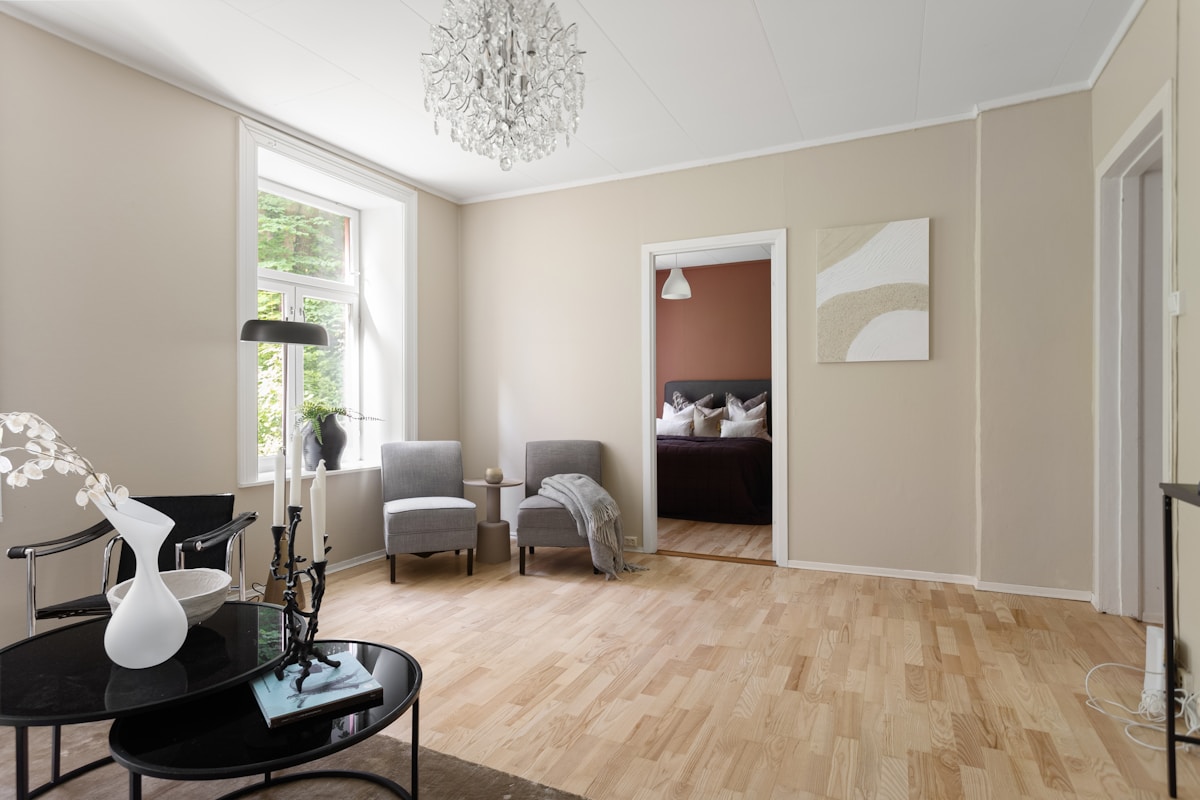
France offers a diverse retail landscape spanning mass-market accessibility to premium luxury. Understanding which retailers serve which segments helps you source efficiently while meeting client budgets and expectations. Here's your practical guide to the platforms that matter.
Maisons du Monde attracts approximately 4.5 million monthly visits and occupies the middle-market sweet spot: styled, trend-aware furniture at accessible prices. Their catalogues span multiple aesthetics (industrial, Scandinavian, bohemian) with particularly strong seasonal collections. For designers, they offer good visual presentation and reasonable lead times, though quality varies by range.
Leroy Merlin dominates with roughly 36 million monthly visits, positioning itself as the DIY and home improvement giant. While not traditionally a designer resource, their extensive building materials, lighting, and storage solutions make them invaluable for renovation projects. Their professional services and trade accounts can significantly reduce costs on volume orders.
Conforama and BUT each draw around 7 million monthly visits, offering mass-market furniture with broad appeal. These aren't typically designer-first platforms, but they're useful for budget-conscious projects or client-led purchasing where your role focuses on spatial planning and styling rather than furniture specification.
La Redoute and its design-focused subsidiary AM.PM collectively attract approximately 9 million visits monthly. AM.PM deserves particular attention from designers: their collections show genuine style direction, quality construction, and price points (€300-2,000 for key pieces) that work for mid-market residential projects. Their catalogues photograph well for presentations.
Alinéa (roughly 1.1 million monthly visits) positions between mass-market and mid-range, with particularly strong contemporary and Scandinavian-influenced collections. They've invested in 3D room visualisation tools that can be helpful for client presentations, and their pricing remains competitive.
Miliboo (approximately 630,000 monthly visits) is the digital-native furniture brand gaining traction with younger French clients. Their aesthetic skews contemporary and trend-aware, with fast inventory turnover and competitive pricing. Delivery times are generally reliable, making them useful for time-sensitive projects.
Selency is France's leading platform for vintage and second-hand furniture, connecting you to curated pre-owned pieces that bring character and sustainability credentials to projects. For designers working on that layered, collected-over-time aesthetic French clients value, Selency is an essential resource.
Camif (around 300,000 monthly visits) emphasises French manufacturing and sustainable production, appealing to environmentally conscious clients willing to pay a premium for local craftsmanship. Their catalogues aren't the most extensive, but quality and ethics are genuine differentiators.
Roche Bobois represents the premium tier, offering designer collaborations and luxury positioning. While pricing (€3,000-15,000+ for signature pieces) limits applicability, their pieces work well as statement investments in high-budget projects, and their brand carries significant cachet with affluent French clients.
Most of these retailers now offer professional designer programmes with trade discounts (typically 10-20%), dedicated account management, and priority service. Registering your practice takes minimal effort and pays dividends across multiple projects.
Working with French Clients: Expectations, Cultural Nuances, and Practical Realities

French clients bring specific expectations shaped by the country's design heritage and professional norms. Understanding these cultural nuances helps you position your services appropriately and avoid common misunderstandings that can derail otherwise promising collaborations.
First, expect clients to have strong aesthetic opinions. French culture values personal style and educated taste, so clients often arrive with clear preferences, inspiration images, and firm ideas about what won't work. This isn't resistance—it's engagement. Your role becomes collaborative refinement rather than dictating a vision, and clients appreciate designers who listen actively and adapt creatively rather than imposing a signature style.
Formality in initial interactions matters more in France than in some other European markets. Use formal address (vous rather than tu) until the client suggests otherwise, maintain professional presentation standards, and don't rush into overly casual communication. Trust builds gradually, but once established, French client relationships can become genuinely collaborative and long-term.
Contracts and scope documentation require particular attention. French clients expect clear, detailed proposals that specify deliverables, timelines, revision allowances, and payment terms. Ambiguity creates friction. Standard practice includes a design brief phase (often paid separately), followed by concept development, detailed specification, and implementation support as distinct phases with defined costs.
Hourly rates for interior designers in France typically range from €50 to €100, varying by experience, location, and project complexity. Paris commands the higher end; regional cities fall toward the middle. Some designers work on percentage-of-project-value (typically 8-15% for full service), while others prefer fixed-fee arrangements for defined scopes. Be clear about your structure and ensure it aligns with French market norms.
Payment terms usually follow a deposit-plus-milestones structure: 30-40% upfront, 30-40% at concept approval, final 20-30% on completion. French clients generally respect these terms, but documenting them clearly in your contract (ideally reviewed by a French legal professional if you're working cross-border) prevents misunderstandings.
Language capability obviously matters. While many French professionals speak English, conducting client relationships in French significantly expands your potential market and builds trust. If your French is limited, consider partnering with a bilingual project manager or limiting your practice to anglophone clients (who do exist, particularly in Paris and major cities).
Building permits and regulatory compliance deserve mention. France has specific requirements for structural changes, heritage buildings, and co-ownership properties (copropriété). If your project involves anything beyond furniture and décor, ensure you understand notification requirements and, where necessary, partner with a local architect who can handle regulatory submissions.
Professional Associations and Industry Events: Connecting with the French Design Community
France's design industry operates through established networks and annual events that serve as crucial connection points for professionals, whether you're based in France or working cross-border. Understanding this ecosystem helps you access opportunities, stay current with trends, and build credibility.
The Conseil Français des Architectes d'Intérieur (CFAI) is the primary professional body, representing qualified interior architects and maintaining standards for education and practice. While membership requires specific qualifications, their events, continuing education programmes, and publications are accessible to interested professionals and provide valuable insight into market developments and regulatory changes.
Maison & Objet is the unmissable industry event—a twice-yearly trade fair in Paris (January and September) that attracts over 60,000 professionals and showcases furniture, décor, textiles, and design trends. For designers, it's both a sourcing opportunity and a networking essential. The fair's trend forecasting presentations influence French design direction for the following seasons, making attendance valuable even if you're not actively sourcing.
Beyond Maison & Objet, Paris Design Week (typically September) offers showroom openings, exhibitions, and talks across the city. It's more accessible than the trade fair and provides a broader cultural perspective on French design thinking.
Regional events are growing in importance. Lyon hosts Design Parade, Bordeaux has Agora Bordeaux, and Toulouse runs design-focused programming through its architecture school. These events offer lower-cost entry points to the French market and opportunities to connect with clients and collaborators outside the competitive Paris ecosystem.
Online communities and platforms like Houzz France, Côté Maison, and Elle Décoration France provide ongoing connection to trends, projects, and potential clients. Many French designers actively share projects on Instagram, making it a viable platform for building visibility and credibility with French audiences if you tag appropriately and engage with the local design community.
Opportunities for Cross-Border Designers: Making France Work for Your Practice
France's interior design market offers several distinct opportunities for European designers willing to navigate its particularities. Understanding where your specific skills and positioning create value helps you enter strategically rather than opportunistically.
Anglophone client projects represent the most accessible entry point. Paris and major cities host significant expatriate communities—British, American, and other nationalities—who often prefer working with designers familiar with their expectations and communication style. These clients typically have healthy budgets and appreciate designers who can bridge French sourcing and suppliers with anglophone project management.
Holiday home projects in desirable regions (Provence, Dordogne, Brittany, French Alps) attract international buyers who need remote design services. These clients value designers who understand both the local aesthetic context and the practical realities of specifying durable, low-maintenance interiors for occasional-use properties. Project budgets are often substantial, and clients appreciate expertise in French sourcing and local artisan networks.
Sourcing French products for non-French projects leverages France's design prestige and retail diversity. Many European designers incorporate French furniture, lighting, and décor into projects elsewhere, valuing the quality, style differentiation, and client appeal that French provenance provides. Building relationships with French retailers and understanding their export capabilities creates a genuine competitive advantage.
Collaborating with French architects and developers on international projects offers another model. French architectural firms working in other markets sometimes seek interior designers with local market knowledge combined with international perspective. These collaborations can be complex logistically but often lead to significant, well-budgeted projects.
Digital-first service models are gaining traction in France, creating space for remote consultancy, e-design, and online styling services. While the French market has been slower to adopt purely virtual design services than some other countries, younger clients and secondary-city markets show growing openness, particularly for consultation-based offerings that respect client autonomy.
Platforms like ArcOps are emerging to support exactly these cross-border scenarios. By integrating catalogues from French retailers (Maisons du Monde, AM.PM, Miliboo, and others) alongside European and international sources, these tools let you specify, visualise, and present projects that draw on French sourcing without the traditional friction of managing multiple retailer relationships. When you're working with French products in non-French projects—or serving French clients remotely—having centralised access to inventory, pricing, and 3D models transforms efficiency.
The key to success in the French market isn't trying to become French, but rather bringing your distinct perspective while respecting the market's cultural and professional norms. French clients and collaborators value expertise, professionalism, and creative confidence. If you can demonstrate those qualities while navigating language, logistics, and aesthetic expectations, France offers genuine and growing opportunities.
Key Takeaways
France's interior design market combines substantial scale with modernisation momentum, evidenced by 30,500 registered architects and the EU's highest software adoption growth rate at 10.6% CAGR. For designers seeking new markets or sourcing opportunities, this represents a maturing, digitally accessible landscape worth understanding.
The French aesthetic prioritises layered sophistication over minimalism, mixing periods and styles with confidence while respecting architectural heritage. Maximalism is returning, colour palettes favour muted sophistication, and natural materials remain essential. Understanding these preferences helps you serve French clients or incorporate French influences authentically.
Retail sourcing options span from mass-market giants like Leroy Merlin to design-focused platforms like AM.PM and vintage specialists like Selency. Most offer professional programmes, and knowing which retailers serve which segments ensures efficient specification that meets client budgets and style expectations.
Working with French clients requires cultural awareness: expect strong aesthetic opinions, maintain initial formality, provide detailed contracts, and understand standard pricing (€50-100/hour) and payment structures. Language capability significantly expands opportunities, and regulatory knowledge matters for projects involving structural changes.
Cross-border opportunities exist in multiple forms: anglophone client projects, holiday homes, product sourcing for non-French projects, collaborations with French firms, and emerging digital service models. Platforms integrating French retailer catalogues reduce traditional friction in cross-border specification and sourcing.
Frequently Asked Questions
Do I need French qualifications to work as an interior designer in France?
France distinguishes between architectes d'intérieur (interior architects, requiring formal qualifications) and décorateurs (decorators, less regulated). For residential décor and styling projects not involving structural changes, you generally don't need French-specific credentials, though having recognised qualifications from your home country builds credibility. For projects involving spatial planning, building work, or commercial premises, partnering with a qualified French architect is advisable. The regulatory landscape varies by project scope, so assess each opportunity individually.
What are realistic pricing expectations for interior design services in the French market?
Hourly rates typically range from €50 to €100 depending on experience, location, and project complexity, with Paris commanding higher rates. Many designers prefer fixed-fee arrangements for defined scopes or percentage-of-project-value pricing (8-15% for full-service residential). French clients expect clear, detailed proposals with transparent cost breakdowns. Research local market rates for your specific positioning and adjust based on your unique value proposition, whether that's international experience, specialist expertise, or distinctive aesthetic vision.
Which French retailers offer the best support for professional designers?
AM.PM (La Redoute's design brand), Maisons du Monde, and Roche Bobois all offer established trade programmes with dedicated account management, professional discounts (typically 10-20%), and designer-friendly tools. Camif and Miliboo are increasingly investing in professional services. Most require business registration to access trade terms. For vintage and second-hand sourcing, Selency provides curated options with professional search tools. Start by registering with the retailers whose aesthetic and price points best match your typical projects, then expand as needed.
How important is Maison & Objet for designers not based in France?
Maison & Objet is highly valuable if you're seriously pursuing the French market or sourcing French products regularly. The fair provides concentrated access to suppliers, trend intelligence, and networking opportunities that would take months to replicate independently. The January edition tends to draw larger international attendance, while September focuses more on the domestic market. If budget or time limits attendance, prioritise once you've established initial French client relationships or sourcing needs—the fair becomes exponentially more valuable when you have specific objectives rather than general exploration.
Can I effectively serve French clients remotely, or is local presence essential?
Remote service is increasingly feasible, particularly for consultation, e-design, and projects where clients handle implementation locally. However, success depends on project type, client expectations, and your ability to manage logistics digitally. Holiday home projects, anglophone clients, and styling-focused scopes work well remotely. Complex renovations requiring site visits, contractor coordination, or hands-on installation benefit from local presence or partnership with a French project manager. Many successful cross-border designers use a hybrid model: initial consultations and concept development remotely, with strategic site visits for critical phases. Digital tools, comprehensive contracts, and excellent communication become even more essential when working at distance.