

Interior Design Colour Trends for 2026: The European Palette (With Sourcing Guide)
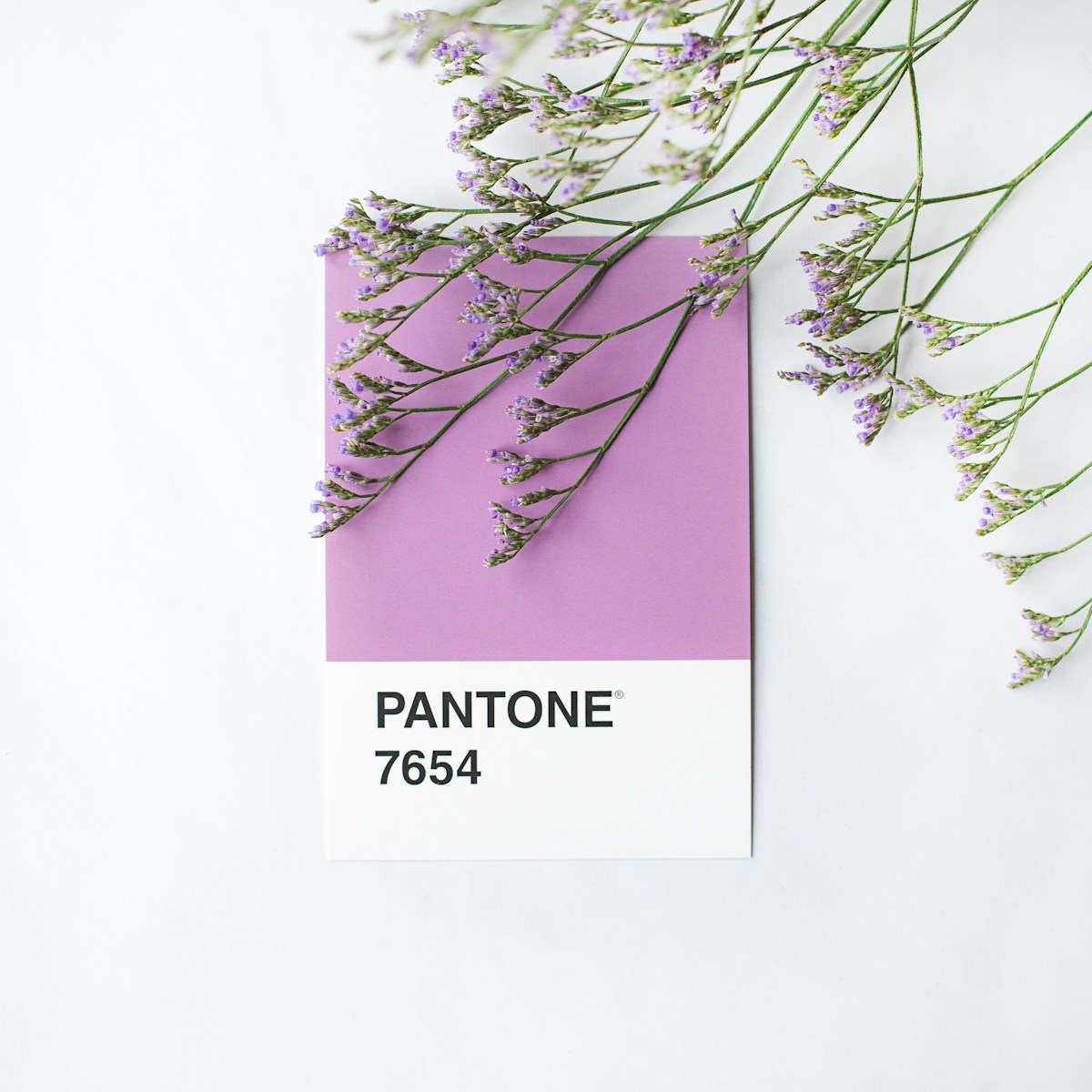
You know that moment when a client asks what colours are "in" right now, and you want to give them something fresh but not fleeting? Something that feels current without screaming "dated in six months"? The 2026 colour palette delivers exactly that—a collection of hues that bridge timelessness with the contemporary European aesthetic your clients crave.
This isn't another listicle of abstract colour names with no practical application. We're giving you eight defining colours for 2026 complete with HEX codes, mood descriptors, and most importantly, real products you can source today from European retailers. Because knowing "dusty sage green" is trending means nothing if you can't show your client a beautiful sage velvet sofa from Westwing or a set of sage linen cushions from H&M Home.
Let's explore the colours that will define European interiors in 2026—and exactly where to find them.
The 8 Defining Colours of 2026
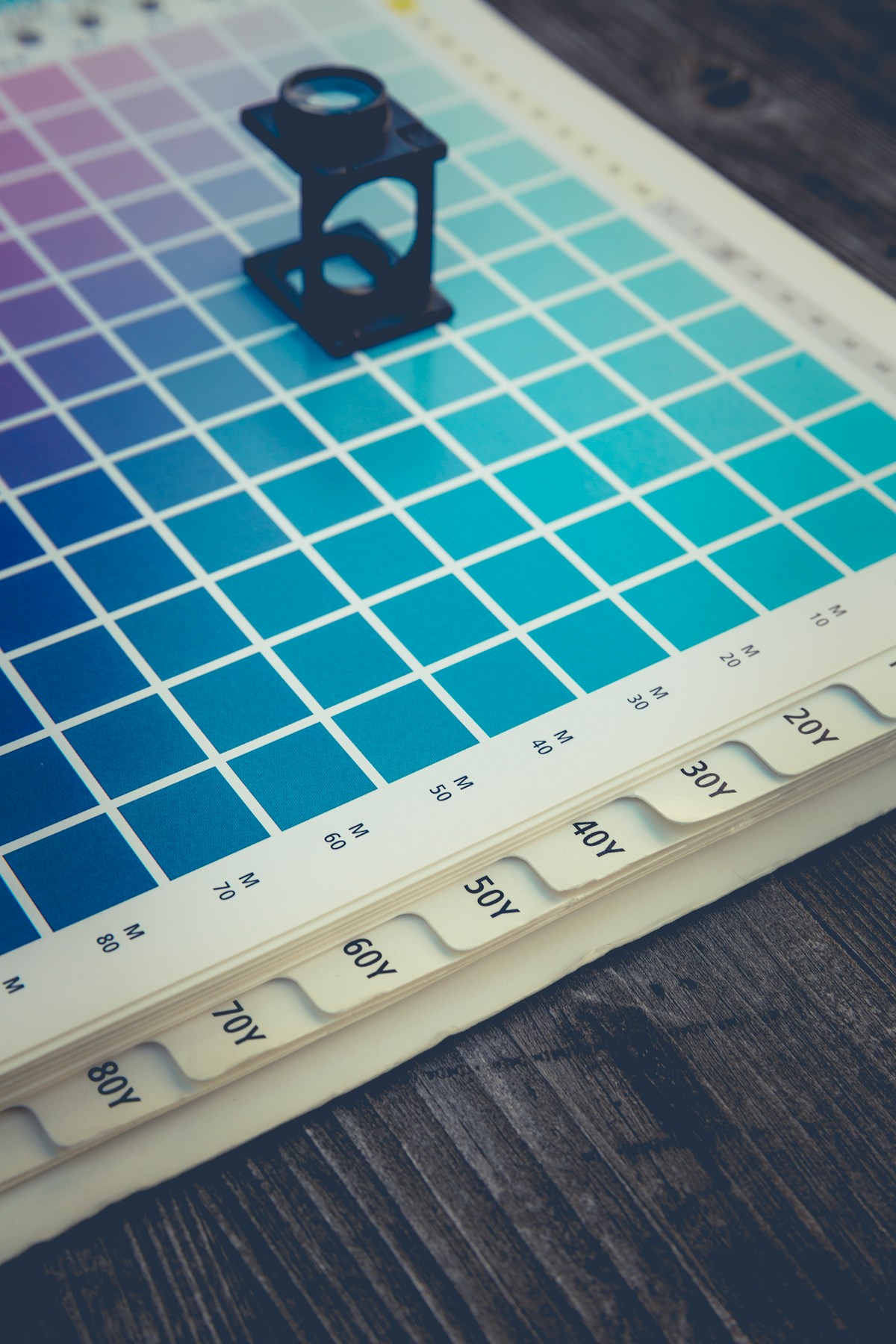
1. Dusty Sage Green (#9CAF88 / Close to Pantone 15-6316 TCX)
There's something inherently calming about dusty sage green that makes it perfect for our post-pandemic desire for restorative, nature-connected spaces. Unlike the vibrant emerald greens of previous years, this muted tone brings the outdoors in without overwhelming a room.
Best rooms: Bedrooms, home offices, bathrooms, reading nooks
Complementary pairings: Pairs beautifully with warm terracotta, natural oak, cream whites, and soft blush. For a more dramatic look, contrast it with deep navy or chocolate brown accents.
Where to source dusty sage products:
- IKEA SANDBACKEN Corner Sofa in Green (€599-799) — A practical sectional in a muted sage that works in living rooms or office lounges
- Westwing Velvet Cushion Cover Collection in Sage (€29-39 each) — Luxurious texture that elevates the colour
- Maisons du Monde Jade Ceramic Table Lamp (€79.99) — Perfectly captures the dusty sage tone in a statement lighting piece
- Zara Home Sage Linen Bedding Set (€89.99-129.99) — Creates that serene bedroom sanctuary your clients dream about
Pro tip: When presenting sage green to clients, pair your digital colour swatch with a physical fabric sample and one of these product images. The tactile element combined with the visual helps clients envision the colour in their actual space, not just on a screen.
2. Warm Terracotta (#C65D3B / Close to Pantone 16-1459 TCX)
Terracotta has evolved from rustic Mediterranean kitchens to become one of the most versatile warm neutrals in contemporary European design. This earthy, grounding hue brings warmth without the intensity of traditional orange or red.
Best rooms: Living rooms, dining spaces, entryways, accent walls in bedrooms
Complementary pairings: Stunning with dusty sage green, cream, stone grey, natural rattan, and brass fixtures. Can be softened with blush or anchored with chocolate brown.
Where to source warm terracotta products:
- H&M Home Terracotta Stoneware Vase Collection (€12.99-24.99) — Affordable accent pieces that add the colour without commitment
- JYSK Terracotta Velour Throw Blanket (€29.99) — Adds warmth and texture to sofas or beds
- Maisons du Monde Terracotta Glazed Ceramic Side Table (€149.99) — A statement piece that serves as both furniture and sculpture
- Westwing Hand-Tufted Terracotta Abstract Rug (€299-599 depending on size) — Grounds a room in this warm, inviting tone
Client presentation strategy: Show terracotta alongside natural materials—a swatch next to a piece of light oak wood or cream linen immediately demonstrates how harmoniously it integrates with European natural design aesthetics. Many clients initially think "orange" when they hear terracotta, so visual pairing is essential.
3. Butter Yellow (#F4D79F / Close to Pantone 13-0739 TCX)
Unlike the sharp, acidic yellows of past trends, butter yellow is soft, approachable, and optimistic without being childish. It's the colour of early morning light streaming through linen curtains—warm, gentle, life-affirming.
Best rooms: Kitchens, breakfast nooks, children's rooms, home offices that need energy, hallways
Complementary pairings: Beautiful with stone grey, deep navy, chocolate brown, and surprisingly sophisticated with dusty sage. Keep other elements neutral to let butter yellow be the hero.
Where to source butter yellow products:
- IKEA STOCKHOLM 2017 Cushion in Yellow (€19.99) — An affordable way to test the colour with clients who are hesitant
- Zara Home Butter Yellow Ceramic Tableware Set (€59.99 for 4-piece place setting) — Brings cheerfulness to dining spaces
- Westwing Velvet Accent Chair in Mustard Yellow (€449-599) — A statement piece that adds personality without overwhelming
- Maisons du Monde Yellow Metal Pendant Light (€89.99) — Creates a focal point in kitchens or dining areas
Application tip: Butter yellow works brilliantly as an accent colour rather than a dominant wall colour in European homes, which tend toward neutral backdrops. Use it in textiles, ceramics, and small furniture pieces that can be easily swapped as trends evolve.
4. Deep Navy (#1F2937 / Close to Pantone 19-4028 TCX)
Deep navy has cemented its position as the sophisticated alternative to black in European interiors. It provides depth and drama while maintaining a sense of elegance that pure black sometimes lacks in residential spaces.
Best rooms: Libraries, home offices, feature walls in bedrooms, media rooms, powder rooms
Complementary pairings: Elevated by brass and gold fixtures, softened by blush and sage, grounded by stone grey. Pairs beautifully with natural oak and creates stunning contrast with butter yellow or burnt orange.
Where to source deep navy products:
- IKEA GRÖNLID Sofa in Sporda Dark Blue (€899-1,299) — A substantial investment piece in a timeless colour
- H&M Home Navy Velvet Curtains (€39.99-59.99 per panel) — Creates instant sophistication in any room
- JYSK Navy Cable Knit Cushions (€14.99 each) — Adds texture and depth affordably
- Westwing Navy Lacquered Sideboard (€799-1,199) — A statement storage piece that works in dining rooms or entryways
Designer insight: When clients worry navy will feel too dark, show them images of navy paired with warm brass lighting and light oak floors. The contrast creates depth rather than darkness, especially in European homes with good natural light.
5. Soft Blush (#E8C4C4 / Close to Pantone 14-1911 TCX)
Soft blush has matured beyond the millennial pink trend into a genuinely versatile neutral that works in both traditional and contemporary European interiors. It's warm without being aggressive, feminine without being juvenile.
Best rooms: Bedrooms, bathrooms, powder rooms, dressing rooms, living rooms as accent colour
Complementary pairings: Stunning with chocolate brown, sophisticated with deep navy, fresh with dusty sage, elegant with stone grey and brass. Can be grounded with terracotta or lifted with butter yellow.
Where to source soft blush products:
- Zara Home Blush Linen Duvet Cover Set (€79.99-129.99) — Creates serene bedroom environments
- Westwing Blush Boucle Armchair (€549-699) — A tactile statement piece that adds warmth and texture
- Maisons du Monde Blush Ceramic Vase Collection (€19.99-49.99) — Affordable accent pieces for styling shelves and surfaces
- H&M Home Blush Velvet Cushion Covers (€12.99-17.99) — Easy, reversible colour commitment
Styling strategy: Blush works particularly well in European interiors when paired with natural materials—think blush linen against light oak, blush ceramics on marble surfaces, or blush velvet with brass fixtures. This combination prevents it from feeling too sweet or one-dimensional.
6. Chocolate Brown (#4A3428 / Close to Pantone 19-1015 TCX)
After years of grey domination, chocolate brown is reclaiming its place as the warm neutral of choice in European design. It's grounding, sophisticated, and creates spaces that feel genuinely lived-in rather than showroom-perfect.
Best rooms: Living rooms, dining rooms, bedrooms, home offices, libraries
Complementary pairings: Luxurious with soft blush and cream, sophisticated with deep navy, earthy with terracotta and sage. Brass and warm gold fixtures are essential to prevent it feeling heavy.
Where to source chocolate brown products:
- IKEA LANDSKRONA Sofa in Grann Leather Brown (€1,299-1,799) — An investment piece that ages beautifully
- JYSK Chocolate Brown Faux Fur Throw (€34.99) — Adds immediate warmth and texture
- Westwing Chocolate Velvet Dining Chairs (€199-299 each) — Elegant without being formal
- Maisons du Monde Dark Wood and Cane Sideboard (€599-899) — Brings in the brown trend through natural wood tones
Client education: Many clients remember the heavy, dark brown furniture of the 1980s and 90s. Show them chocolate brown in velvet, linen, and leather textures paired with lighter woods and ample lighting. The key is balance—brown as an anchor, not as the entire colour story.
7. Stone Grey (#B8B8AA / Close to Pantone 16-0207 TCX)
Stone grey is the evolved version of cool grey—it has subtle warm undertones that prevent it from feeling sterile or cold. It's the colour of European limestone, weathered concrete, natural clay—inherently architectural and calming.
Best rooms: Living rooms, kitchens, bathrooms, hallways, any room needing a sophisticated neutral backdrop
Complementary pairings: Works with literally everything, but particularly beautiful with dusty sage, terracotta, butter yellow, and soft blush. Provides the perfect neutral backdrop for bolder accent colours.
Where to source stone grey products:
- H&M Home Stone Grey Linen Curtains (€34.99-54.99 per panel) — Creates a soft, neutral frame for windows
- IKEA SÖDERHAMN Sofa in Tonerud Grey (€799-1,199) — A versatile centrepiece that works with any colour palette
- Zara Home Stone Grey Ceramic Tableware (€49.99 for 4-piece setting) — Sophisticated and endlessly mixable
- Westwing Stone Grey Textured Rug (€249-599) — Adds subtle depth without competing with other design elements
Design application: Stone grey is your secret weapon for creating cohesive colour stories. When you're working with multiple trend colours (say, sage, terracotta, and blush in one space), stone grey textiles and larger furniture pieces create visual rest and prevent the space from feeling chaotic.
8. Burnt Orange (#CC5500 / Close to Pantone 16-1448 TCX)
Burnt orange is bolder than terracotta but more sophisticated than true orange. It's having a major moment in European design as homeowners seek warmth and personality after years of minimalist greys and whites.
Best rooms: Accent walls in living rooms, dining rooms, home offices, entryways, children's rooms
Complementary pairings: Stunning with deep navy, grounded by chocolate brown, beautiful with dusty sage, sophisticated with stone grey. Use sparingly with other warm colours to avoid overwhelming the space.
Where to source burnt orange products:
- JYSK Burnt Orange Velour Armchair (€249-299) — A statement piece that adds instant personality
- Maisons du Monde Terracotta Orange Ceramic Table Lamp (€69.99) — Brings the colour to eye level without wall commitment
- H&M Home Rust Orange Cotton Cushion Covers (€9.99-14.99) — The easiest, most affordable way to test the trend
- Westwing Burnt Orange Abstract Canvas Print (€89-179) — Adds colour through art, which clients find less permanent than paint
Trend guidance: Burnt orange is one of the trendier colours on this list, meaning it may feel dated in 3-5 years. Guide clients toward using it in easily changeable elements—cushions, throws, art, smaller furniture pieces—rather than expensive upholstered sofas or wall paint in large spaces.
How to Present Colour Options to Clients: The Swatch + Product Pairing Method
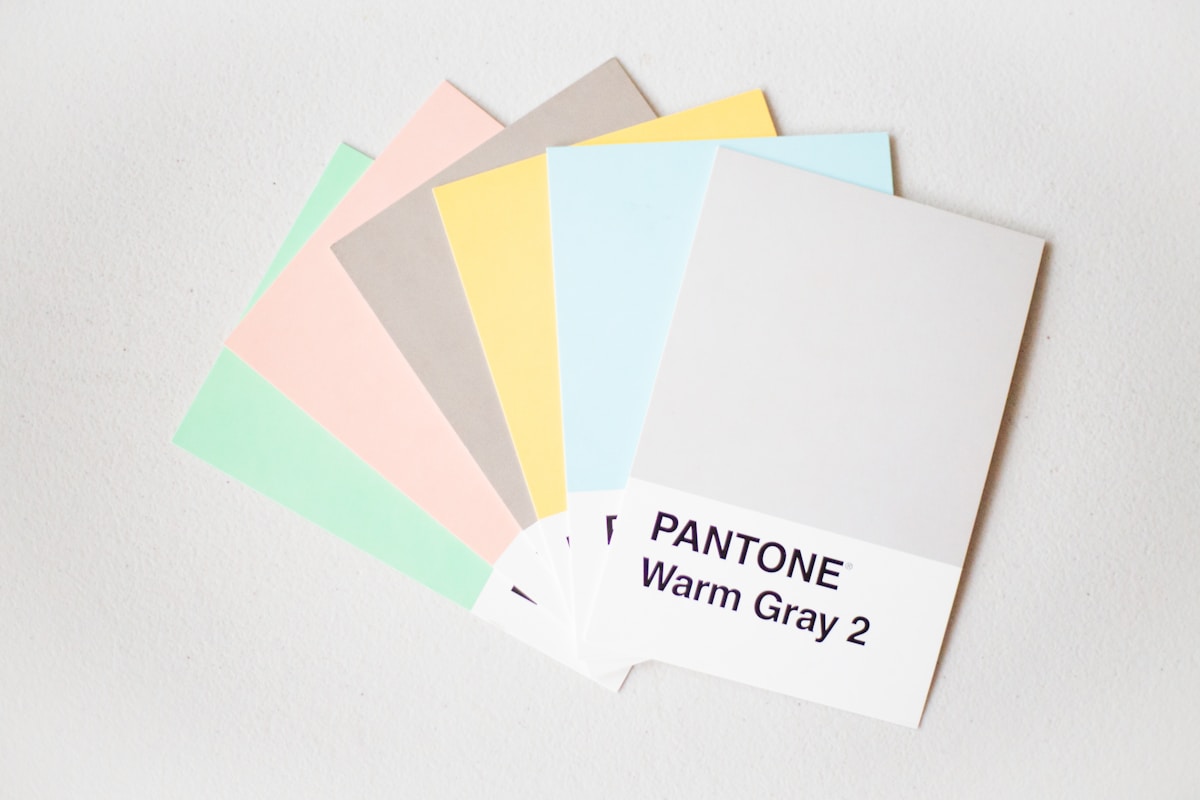
You've probably experienced this: you show a client a beautiful colour swatch, they love it, then when you start sourcing products, nothing quite matches and the whole vision falls apart. Here's the proven method that prevents this frustration and builds client confidence.
Step 1: Create Your Digital Colour Board
Start with your eight 2026 colours as digital swatches with their HEX codes clearly labelled. Use a simple tool like Canva, Adobe Colour, or even PowerPoint to create a clean reference sheet. Include the colour name, HEX code, and a brief mood descriptor (e.g., "Dusty Sage Green #9CAF88 — Calming, nature-connected, sophisticated").
Step 2: Pair Each Colour with 3-4 Real Products
For each colour you're proposing, screenshot or download product images from European retailers—preferably ones the client recognises like IKEA, Westwing, JYSK, or Maisons du Monde. This immediately bridges the gap between abstract colour theory and tangible reality. Clients can visualise "dusty sage velvet cushions from Westwing" far more easily than "sage green accents."
Include approximate price ranges so clients understand the investment level. A €599 IKEA sofa versus a €1,199 Westwing piece represents different budget tiers, and transparency builds trust.
Step 3: Show Complementary Colour Pairings in Context
Don't present colours in isolation. Create mini mood boards showing how two or three colours work together in an actual room setting. For example, show dusty sage cushions on a stone grey sofa with terracotta ceramic accents. This demonstrates your design expertise and helps clients see the full vision.
Many of these products are also sourced from European retailers on the ArcOps platform, which streamlines your procurement process and keeps your sourcing documentation organised in one place.
Step 4: Provide Physical Samples When Possible
For final colour approval, always supplement digital presentations with physical samples. Order fabric swatches, paint chips, or even the actual cushion covers or small accessories if budget allows. Colours look dramatically different on screens versus in natural light, and this step prevents costly mistakes.
If a client is hesitant about a bolder colour like burnt orange or butter yellow, start with the smallest, most affordable product—a €9.99 cushion cover from H&M Home. Let them live with it for a week. This low-risk trial often converts hesitant clients into colour enthusiasts.
Key Takeaways
- The 2026 European colour palette favours warm, earthy tones over the cool greys that dominated the past decade—dusty sage green, warm terracotta, chocolate brown, and burnt orange lead the trend
- Every trending colour is sourceable today from accessible European retailers like IKEA, Westwing, JYSK, Maisons du Monde, H&M Home, and Zara Home at various price points from €9.99 to €1,799
- Stone grey acts as the perfect neutral backdrop that allows you to combine multiple 2026 trend colours in one space without visual chaos
- Present colours to clients using the swatch + product pairing method—show them the HEX code alongside 3-4 real products they can purchase, with prices, to build confidence and bridge the gap between concept and reality
- Bolder colours like burnt orange and butter yellow work best as accents in easily changeable elements (cushions, throws, art) rather than expensive investment pieces, protecting clients from trend fatigue
- Deep navy has replaced black as the sophisticated dark neutral in European interiors, providing depth without harshness
- Complementary pairings are essential—show clients how sage and terracotta work together, how blush softens navy, how chocolate brown grounds butter yellow
- Texture matters as much as colour—velvet, linen, boucle, and ceramic finishes elevate these colours from ordinary to extraordinary
Frequently Asked Questions
How do I convince clients to move away from all-white or all-grey interiors?
Start small and build confidence. Instead of proposing a complete colour overhaul, introduce one or two accent colours through easily changeable elements like cushions, throws, or art. Show them images of European interiors that successfully blend neutral backdrops (stone grey walls, light oak floors) with warm colour accents. Many clients fear colour commitment, so emphasise that a €29 sage cushion from Westwing is a low-risk trial. Once they see how colour transforms their space, they typically become more adventurous.
Which colours from the 2026 palette are most likely to stay relevant long-term?
Dusty sage green, chocolate brown, stone grey, and deep navy are the most timeless choices from this palette. They're rooted in natural tones and architectural history rather than pure trend. Butter yellow and burnt orange are trendier and may feel dated in 3-5 years, so guide clients toward using these in smaller, more affordable pieces. Soft blush and warm terracotta fall somewhere in the middle—they've proven staying power beyond initial trend cycles but work best as accents rather than dominant colours.
How do I source products in exact colour matches across different retailers?
Honestly? You often can't get perfect matches, and that's actually fine—variation in tone creates depth and interest. The key is staying within the same colour family and similar saturation levels. For example, if you're working with dusty sage, you might use a slightly bluer sage from IKEA alongside a warmer sage from Zara Home. They don't need to match exactly; they need to complement each other. Create a physical sample board with all your proposed pieces together to ensure they harmonise before presenting to clients.
Can I mix multiple 2026 trend colours in one room, or should I stick to one or two?
You can absolutely mix multiple colours, but use the 60-30-10 rule: 60% neutral backdrop (stone grey, cream, white), 30% primary colour (perhaps dusty sage), and 10% accent colour (terracotta or burnt orange). If you want to use three or four trend colours, keep the backdrop even more neutral and use smaller doses of each colour. The stone grey from this palette is your best friend here—it allows you to play with sage, terracotta, blush, and butter yellow in the same space without visual chaos.
How do I present colour trends to clients who say they "don't like trends"?
Reframe the conversation away from "trends" and toward "contemporary European design" or "timeless natural palettes." Many clients resist trends because they fear looking dated, but they're attracted to beautiful, current design. Show them how these colours appear in high-end European hotels, restaurants, and design publications. Emphasise that colours like sage, terracotta, and chocolate brown are rooted in natural materials and architectural history—they're not arbitrary fashion trends. You're not following trends; you're creating spaces that feel current, sophisticated, and connected to the natural European aesthetic your clients love.
Ready to streamline your 2026 colour palette sourcing? Explore our complete guide to creating mood boards that convert clients and discover 20 European interior design trends shaping this year. For nature-inspired colour applications, don't miss our biophilic interior design guide.