

Interior Design in Romania: The Growing Market European Designers Should Watch
Meta Description: Discover why Romania's interior design market is booming. Explore the design community, top retailers, pricing strategies, and opportunities for European designers in this emerging market.
Primary Keyword: interior design Romania
Secondary Keywords: interior design market Romania, Romanian interior designers, Bucharest interior design
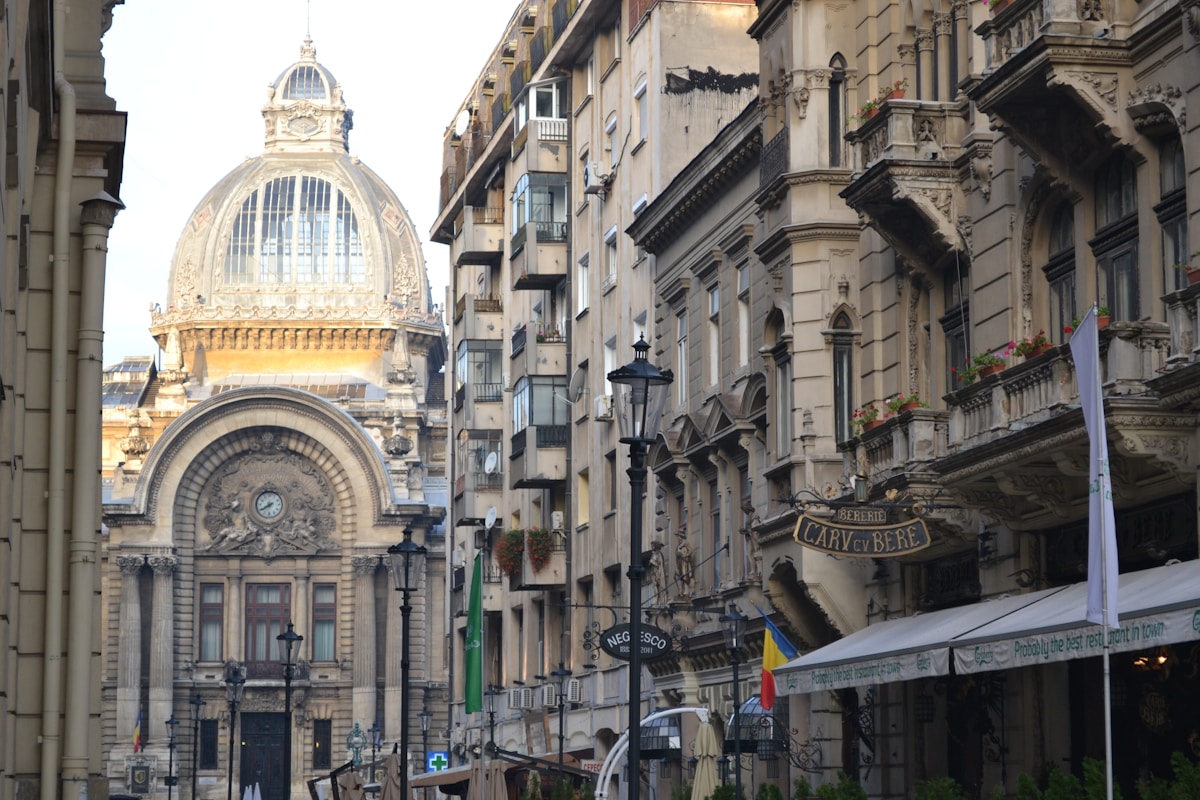
You've probably heard whispers about Romania's design scene at trade shows or in European design forums. Maybe you've noticed the steady stream of stunning project photos from Bucharest designers on Instagram, or you've wondered why seasoned European colleagues are increasingly looking eastward for collaboration and expansion opportunities. The interior design market Romania offers today isn't just growing—it's experiencing a renaissance that savvy designers across Europe are beginning to recognise.
Romania's transformation from post-communist economy to vibrant EU member state has created a perfect storm for interior design growth. Rising disposable incomes, ambitious construction projects, EU structural funding, and a design-hungry middle class have converged to create opportunities that simply didn't exist a decade ago. For you, Elena, this means understanding Romania's market could unlock competitive advantages, fresh collaboration possibilities, and insights into an emerging European design hub right in your professional backyard.
Romania's Design Boom: The Economic Forces Behind the Growth
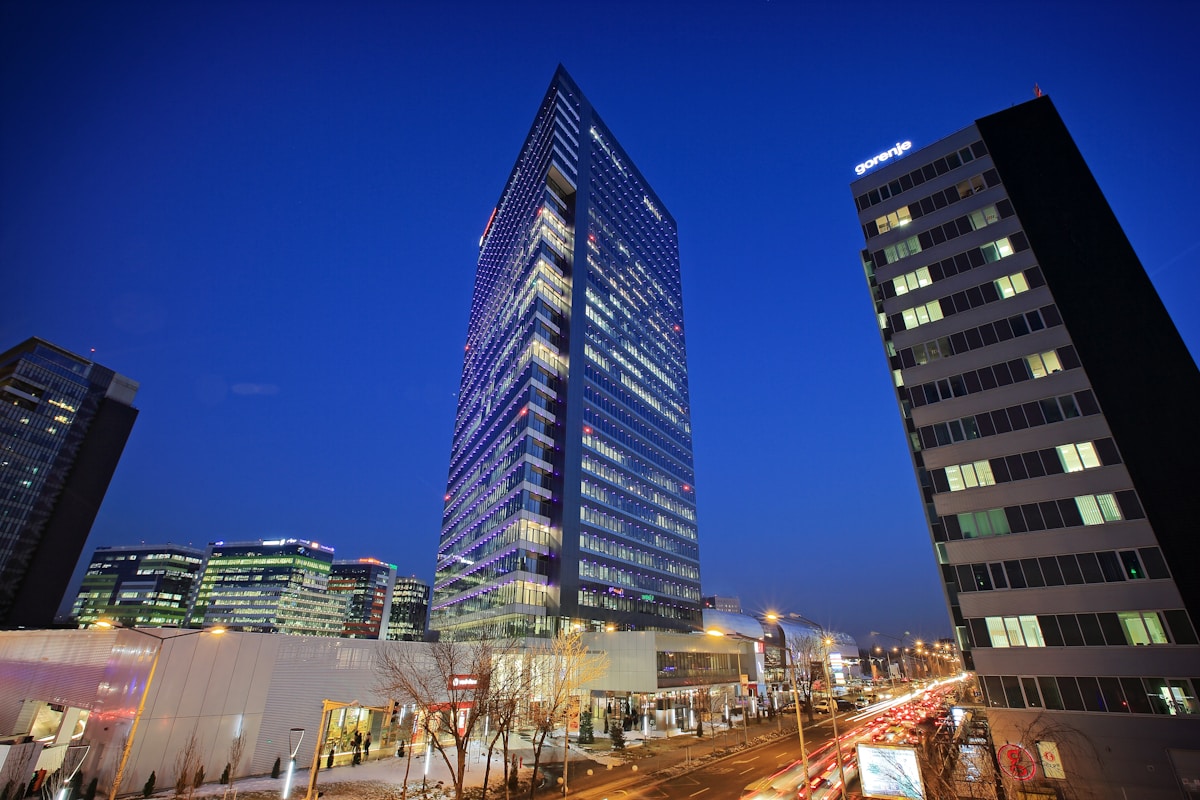
Romania's construction sector has grown by approximately 18% year-over-year in recent periods, fuelled by both residential and commercial development. You'll see cranes dotting Bucharest's skyline, new housing estates spreading across Cluj-Napoca, and historic buildings in Timișoara undergoing sensitive renovation. This construction boom translates directly into interior design demand—every new apartment needs furnishing, every renovated office space requires thoughtful spatial planning.
The rising middle class is the engine driving this demand. Romanian household incomes have steadily increased since EU accession, and families who once prioritised basic necessities now allocate budgets specifically for interior design services. They're scrolling through Pinterest, following local designers on Instagram, and increasingly willing to invest €5,000–€15,000 or more in professional design for their homes.
EU structural funds have poured billions into Romanian infrastructure, tourism, and heritage projects. Hotels, museums, public spaces, and commercial venues are all commissioning design work—often with budgets that require professional project management and sourcing capabilities. These aren't small residential jobs; they're substantial contracts that can anchor your portfolio and open doors across Central and Eastern Europe.
This isn't just Bucharest, either. Secondary cities like Cluj-Napoca (Romania's unofficial tech capital), Timișoara (European Capital of Culture 2023), Brașov, and Sibiu are all experiencing their own design awakenings. Each city has its own character, client base, and opportunities for designers willing to look beyond the capital.
The Romanian Interior Design Community: Networks, Groups, and Events
Romanian interior designers have built a vibrant, digitally connected community that's surprisingly accessible to European colleagues. Unlike more established markets where professional networks can feel closed or formal, Romania's design scene welcomes collaboration, knowledge sharing, and cross-border partnerships.
Facebook groups serve as the primary community hubs. "Designeri de Interior Romania" boasts over 15,000 members—a mix of established designers, recent graduates, DIY enthusiasts, and potential clients. You'll find lively discussions about sourcing challenges, pricing strategies, software recommendations, and client management tips. Similar groups like "Arhitecti de Interior Romania" and "Design Interior & Arhitectura" provide additional networking and knowledge-sharing spaces where designers openly discuss everything from supplier reliability to contract templates.
Instagram has become the portfolio platform of choice for Romanian interior designers showcasing their work. Accounts like @atelieruldearhitectura, @ioanavanc_interiordesign, and @ancautadesign regularly share projects ranging from minimalist apartments to maximalist commercial spaces. Their follower counts may range from a few thousand to over 50,000, but engagement rates often outpace Western European counterparts—Romania's design community actively comments, shares, and supports each other's work.
Professional associations provide more formal structures. The Romanian Order of Architects (OAR) represents both architects and interior designers, offering professional accreditation, continuing education, and regulatory guidance. ADIR (Asociația Designerilor de Interior din România) focuses specifically on interior design, though it's smaller and less formal than equivalents in Germany or the UK. These organisations host events, workshops, and annual conferences that bring the community together physically, not just digitally.
Trade shows and design events have proliferated in recent years. Bucharest Design Week, Luxury Property Show, and various furniture fairs draw both local and international exhibitors. These events offer you networking opportunities, trend insights, and direct access to the suppliers and retailers shaping Romania's interior design market. Attending even virtually can provide valuable market intelligence and potential collaboration partners.
Popular Retailers and Sourcing Options in Romania
Understanding where Romanian designers source products is essential to grasping the market's dynamics, pricing structures, and competitive landscape. Romania's retail ecosystem blends local chains, international big-box stores, and increasingly sophisticated online platforms—each serving different client segments and design approaches.
Dedeman dominates the Romanian home improvement and basic furnishing market with approximately 10.6 million monthly website visits. Think of it as Romania's answer to Leroy Merlin (which also operates here), offering everything from construction materials to budget-friendly furniture and décor. Romanian interior designers use Dedeman for construction basics, hardware, and when clients have tight budgets. It's not where you'll source designer pieces, but it's indispensable for renovation projects and practical elements.
IKEA entered Romania in 2016 and quickly captured significant market share, attracting roughly 3 million monthly visits to its Romanian site. For many middle-class Romanians, IKEA represents accessible Scandinavian design at predictable price points. You'll find Romanian designers using IKEA strategically—mixing affordable basics with higher-end accent pieces, or specifying entire IKEA solutions for budget-conscious clients. The Bucharest store has become something of a design education venue in itself, introducing spatial concepts and styling approaches to a mass audience.
JYSK, the Danish furniture and home accessories chain, draws approximately 2.4 million monthly visits in Romania. It occupies a similar market position to IKEA but with slightly lower price points and broader physical presence across smaller cities. Romanian designers appreciate JYSK's reliability, decent quality-to-price ratio, and frequent seasonal collections that allow refreshing spaces without major investment.
Mobexpert, a Romanian furniture retailer, commands around 790,000 monthly visits and represents an important local success story. Offering Romanian-manufactured and imported furniture across various styles and price points, Mobexpert appeals to clients who prefer supporting local businesses while still demanding contemporary design. Their custom furniture services attract designers working on projects requiring specific dimensions or finishes.
XXXLutz, the Austrian furniture giant, established Romanian presence and generates approximately 252,000 monthly visits. It serves the mid-to-high-end segment, offering European furniture brands and more sophisticated styling than budget chains. Romanian designers working with affluent clients often source from XXXLutz, appreciating its blend of quality, variety, and reasonable lead times.
Smaller but significant players include Kika (Austrian chain), Casa Rusu (Romanian premium furniture), Bonami (lifestyle and décor), and FAVI (online furniture marketplace). FAVI deserves special mention as Romania's largest online furniture platform, aggregating products from multiple suppliers and offering designers one-stop browsing across price points and styles. Its digital-first approach aligns perfectly with how younger Romanian designers work.
Cross-border sourcing from EU suppliers is increasingly common among established Romanian interior designers. Polish furniture manufacturers, Italian tile suppliers, German lighting specialists, and Belgian textile companies all ship to Romania. However, navigation of customs procedures (for non-EU goods), currency conversion, and longer lead times requires experience and systems—exactly the capabilities that distinguish professional designers from enthusiastic amateurs.
Pricing and Business Models in Romania's Interior Design Market

Romanian interior designers typically charge €25–€50 per hour, though rates vary significantly based on location, experience, project type, and client segment. Bucharest commands the highest rates, with experienced designers in affluent neighbourhoods reaching €60–€80 per hour. Secondary cities generally see rates 20–30% lower, whilst less experienced designers or those serving budget-conscious clients may charge €15–€25 per hour.
Package pricing has gained popularity as the market matures. You'll find Romanian designers offering fixed-price packages like €2,500 for a complete living room design (concept, 3D visualisations, shopping list, styling consultation) or €5,000 for a full apartment (up to 80m²). These packages make services more accessible to middle-class clients who find hourly rates intimidating or unpredictable, whilst providing designers with predictable project revenues.
Percentage-based fees, common in Western markets, exist but remain less prevalent in interior design market Romania. Some designers charge 15–25% of project budget, particularly for larger commercial projects or high-end residential work. However, many Romanian clients resist this model, preferring to know design costs upfront separately from furnishing expenditure. This cultural preference shapes how you'll need to structure proposals and contracts.
Hybrid models are emerging where Romanian interior designers charge a design fee plus earn commissions from suppliers for product purchases. This approach, whilst potentially controversial in some Western markets, is openly practised and generally accepted in Romania. Transparency varies—some designers clearly communicate this to clients, others consider supplier relationships proprietary. As Romania's market matures, expect increasing emphasis on fee transparency and professional standards.
The competitive landscape includes both highly trained professionals and self-taught practitioners. Romania's architecture and design education programmes produce talented graduates from institutions like "Ion Mincu" University of Architecture and Urbanism in Bucharest. However, the profession remains relatively unregulated, allowing enthusiastic individuals with good taste and software skills to market themselves as interior designers. This creates both pricing pressure and opportunities for professionally trained designers to differentiate through credentials, process, and results.
Challenges: Navigating Romania's Design Market Realities

Limited local sourcing for high-end products remains one of the most significant challenges facing Romanian interior designers. Whilst budget and mid-range options abound, sourcing premium furniture, specialised lighting, designer textiles, or unique decorative objects often requires looking beyond Romania's borders. This extends project timelines, complicates logistics, and introduces currency and customs considerations that less experienced designers struggle to manage.
Cross-border sourcing from EU suppliers sounds straightforward in theory—after all, Romania is an EU member state. In practice, you'll encounter suppliers who don't ship to Romania, payment systems that don't accept Romanian cards, and logistics providers with exorbitant shipping rates to Eastern European destinations. Building reliable supplier relationships across multiple countries requires time, persistence, and often paying your dues through problematic early experiences.
RON-EUR currency management creates constant complexity for Romanian interior designers working with international suppliers. Romania hasn't adopted the euro, so you're constantly converting between Romanian lei (RON) and euros. Exchange rates fluctuate, banks charge conversion fees, and clients sometimes struggle to understand why quoted prices change between proposal and purchase stages. Designers need either sophisticated internal systems or external tools to manage multi-currency budgeting and procurement.
Client education represents an ongoing challenge. Many Romanian clients come to interior design with limited understanding of what professional services entail, appropriate budgets, or realistic timelines. You'll spend significant time explaining why design fees exist separately from product costs, why quality furniture costs more than IKEA prices suggest, and why a professionally designed space delivers long-term value. This educational burden is slowly diminishing as the market matures, but it's still higher than in Western European markets.
Payment terms and contract enforcement can prove problematic. Whilst Romania's legal system functions, pursuing payment from difficult clients involves time, expense, and stress that many designers prefer to avoid. Milestone-based payment structures, upfront deposits (typically 30–50%), and clear contracts help mitigate risks. Experienced Romanian designers develop instincts for client vetting and red flags, learning through occasionally painful experience which projects to decline.
Software and technology adoption lags behind Western European standards in parts of Romania's design community. Whilst leading Romanian interior designers use SketchUp, AutoCAD, Revit, 3ds Max, and specialised tools, many practitioners rely on simpler (sometimes pirated) software or even manual sketching. This creates both quality variations in deliverables and opportunities for tech-savvy designers to differentiate through superior visualisations and presentations.
Opportunities: Romania's Competitive Advantages for European Designers
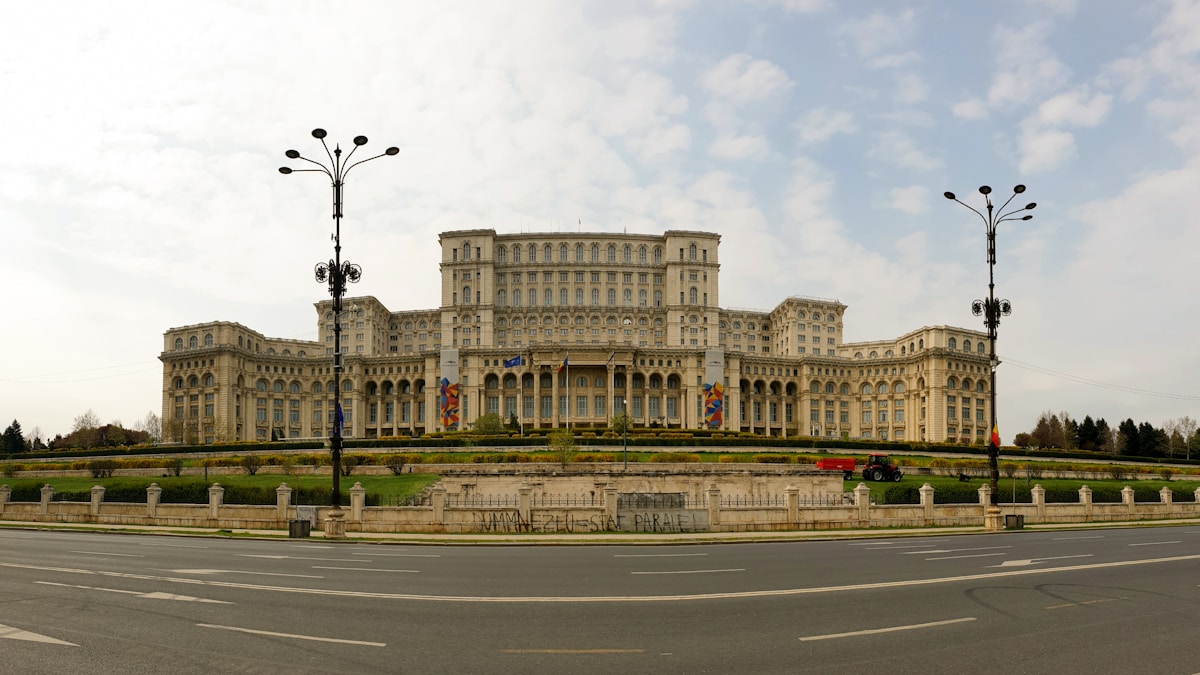
Romania's lower operational costs create compelling competitive advantages when combined with EU market access and increasingly sophisticated design capabilities. Your costs for office space, administrative support, and even design talent run 40–60% below comparable Western European expenses. This cost base allows you either to offer more competitive pricing to clients or to maintain Western European rates whilst achieving higher profit margins.
The emerging market dynamic means less entrenched competition compared to saturated Western markets. Whilst talented Romanian interior designers absolutely exist, the sheer density of established firms you'd face in London, Paris, or Berlin simply isn't present yet. This creates space for both local designers to build substantial practices and for experienced European designers to establish Romanian operations or partnerships with less competitive resistance.
Romania's design talent pool is growing rapidly, with young designers who've studied abroad returning with international experience and local market knowledge. Partnerships between established European firms and emerging Romanian talent create win-win scenarios—you gain cost-effective design resources and local market access, whilst Romanian partners gain mentorship, systems, and international project exposure. These collaborations are increasingly common and mutually beneficial.
EU funding opportunities specifically target Romanian projects, particularly those involving heritage, tourism, or regional development. Designers who understand how to work within EU-funded project frameworks can access substantial commissions with reliable payment terms. These projects often require documentation, reporting, and process adherence that disadvantages less organised competitors—playing directly to the strengths of systematised, professional design practices.
Romania serves as an excellent gateway to wider Eastern European markets. Cultural and linguistic similarities mean success in Romania translates relatively easily to Bulgaria, Moldova, or even Hungary. Business relationships developed in Bucharest can introduce you to projects across the region, positioning you as the European designer who understands and serves Central and Eastern European markets effectively.
The digital nature of modern design work means Romanian interior designers can serve clients across Europe without relocating. A designer based in Cluj-Napoca can create concepts for a Berlin apartment, source from Italian suppliers, and coordinate with local installers—all whilst maintaining Romanian cost structures. This geographic arbitrage opportunity has barely been tapped by Romania's design community but represents significant potential.
Managing Multi-Currency Sourcing: Where ArcOps Fits
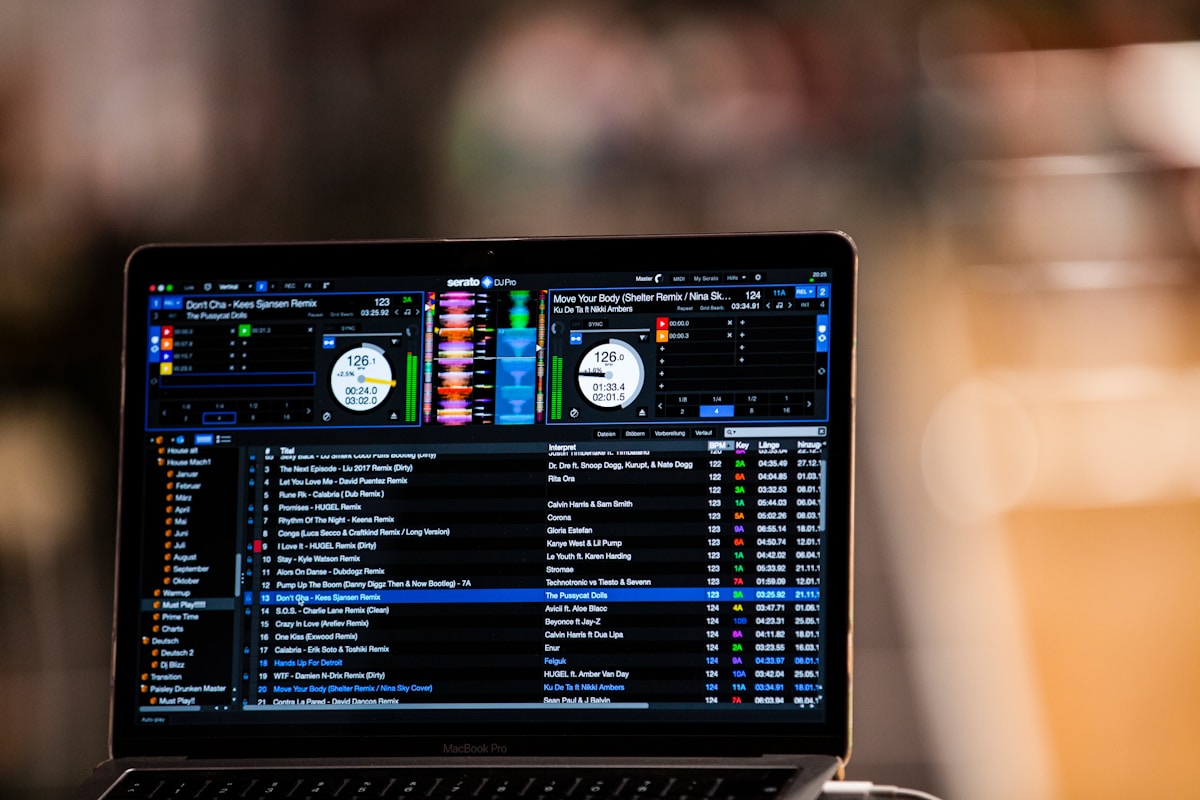
The multi-currency sourcing challenge represents perhaps the single most significant operational pain point for Romanian interior designers working with international suppliers. You're creating budgets in euros for client presentation, paying suppliers in multiple currencies, tracking exchange rate fluctuations, managing conversion fees, and trying to maintain profit margins whilst everything shifts beneath you.
Traditional solutions involve spreadsheet gymnastics, multiple bank accounts, and significant time investment in financial administration rather than creative design work. You might maintain RON accounts for local expenses, EUR accounts for European suppliers, and constantly manual convert, reconcile, and adjust. This approach works but scales poorly and introduces error opportunities that can devastate project profitability.
ArcOps was built specifically to address these cross-border sourcing challenges that Romanian interior designers face daily. The platform handles multi-currency budgeting, product sourcing across European suppliers, and procurement management in ways that traditional tools simply weren't designed for. Rather than juggling multiple systems and manual conversions, you work within an integrated environment that understands both your Romanian base and your European sourcing needs.
For Bucharest interior design firms serving both local and international clients, this systematic approach to cross-border procurement isn't just convenient—it's becoming essential for competitive positioning. The designers who can confidently source from across Europe whilst maintaining budget control and client transparency will increasingly dominate the market's upper segments. Those still managing procurement through scattered spreadsheets and reactive problem-solving will find themselves limited to simpler, lower-value projects.
Key Takeaways
Romania's interior design market is experiencing rapid growth driven by construction booms, rising middle-class incomes, and EU investment in infrastructure and heritage projects. This growth creates opportunities for both local designers and European colleagues looking to expand or collaborate.
The Romanian design community is digitally connected and surprisingly accessible, with active Facebook groups exceeding 15,000 members, vibrant Instagram portfolios, and emerging professional associations. Trade events and design weeks provide networking opportunities and market intelligence.
Sourcing options blend local retailers like Dedeman and Mobexpert with international chains including IKEA, JYSK, and XXXLutz, plus increasing cross-border procurement from EU suppliers. Understanding this retail landscape is essential for competitive positioning and appropriate client guidance.
Pricing typically ranges €25–€50 per hour, with package-based and hybrid models gaining popularity as the market matures. Lower operational costs create competitive advantages for designers who can deliver Western European quality at more accessible price points.
Challenges include limited local sourcing for high-end products, multi-currency management complexity, client education needs, and variable professional standards. Successfully navigating these challenges differentiates professional designers from casual practitioners.
Opportunities abound for designers who understand Romania's unique position as an emerging EU market with lower costs, growing talent, and gateway access to broader Eastern European opportunities. The next five years will likely see significant market consolidation and professionalisation.
Frequently Asked Questions
Do I need to speak Romanian to work as an interior designer in Romania?
Not necessarily, though it certainly helps. Many Romanian clients under 40 speak English, particularly in Bucharest and university cities like Cluj-Napoca. However, older clients and contractors often prefer Romanian communication. Successful non-Romanian designers typically partner with local colleagues, hire bilingual project managers, or focus on international clients with Romanian properties. Translation apps and basic Romanian phrases can bridge gaps for simpler interactions.
How does interior design Romania regulation compare to other EU markets?
Romania's interior design profession remains relatively unregulated compared to countries like Germany or France. You don't legally need specific qualifications to call yourself an interior designer, though architects require formal credentials and OAR membership. This creates both opportunities (lower barriers to entry) and challenges (variable quality across the market). As the profession matures, expect increasing emphasis on credentials, portfolios, and demonstrated expertise to differentiate serious professionals.
What's the typical project timeline for residential interior design in Romania?
Expect 2–4 weeks for concept development, 4–8 weeks for detailed design and procurement, and 4–12 weeks for installation—so roughly 3–6 months total for a complete apartment project. Timelines extend significantly for cross-border sourcing, custom furniture, or renovation work requiring permits. Romanian bureaucracy can slow permit processes, whilst contractor schedules vary enormously based on season and economic conditions. Build buffer time into every project phase.
Can European designers legally work on Romanian projects remotely?
Yes, EU freedom of services provisions allow you to provide design services to Romanian clients without establishing local presence, assuming you're properly established in another EU country. However, physical presence helps enormously for site visits, client meetings, and contractor coordination. Many successful cross-border arrangements involve hybrid models—remote design work supplemented by periodic Romanian visits or partnerships with local project managers who handle on-ground coordination.
What design styles are currently popular in interior design market Romania?
Scandinavian minimalism dominates, particularly amongst younger, urban clients influenced by IKEA and Pinterest. However, you'll also find demand for industrial styles (especially in renovated historic buildings), modern maximalism amongst affluent clients, and traditional Romanian folk elements tastefully incorporated into contemporary spaces. Bucharest's design scene is surprisingly trend-aware, with styles emerging in Milan or Copenhagen appearing in Romanian projects within months. Avoid assuming Eastern European markets lag Western trends—Romania's design-conscious clients follow global movements closely.
Ready to explore opportunities in Romania's growing interior design market? Whether you're a Romanian designer navigating cross-border sourcing challenges or a European colleague considering Romanian expansion, understanding this market's unique dynamics separates successful ventures from frustrating experiments. For insights into managing multi-currency procurement and European supplier relationships systematically, explore how ArcOps supports designers working across borders.
Related reading:
- Our European design landscape overview (coming soon)
- Our cross-border design guide (coming soon)
- Our guide to starting a freelance design business in Europe (coming soon)
Word count: 2,784 words