

Small Space Interior Design in Europe: 12 Ideas That Maximise Every Square Metre
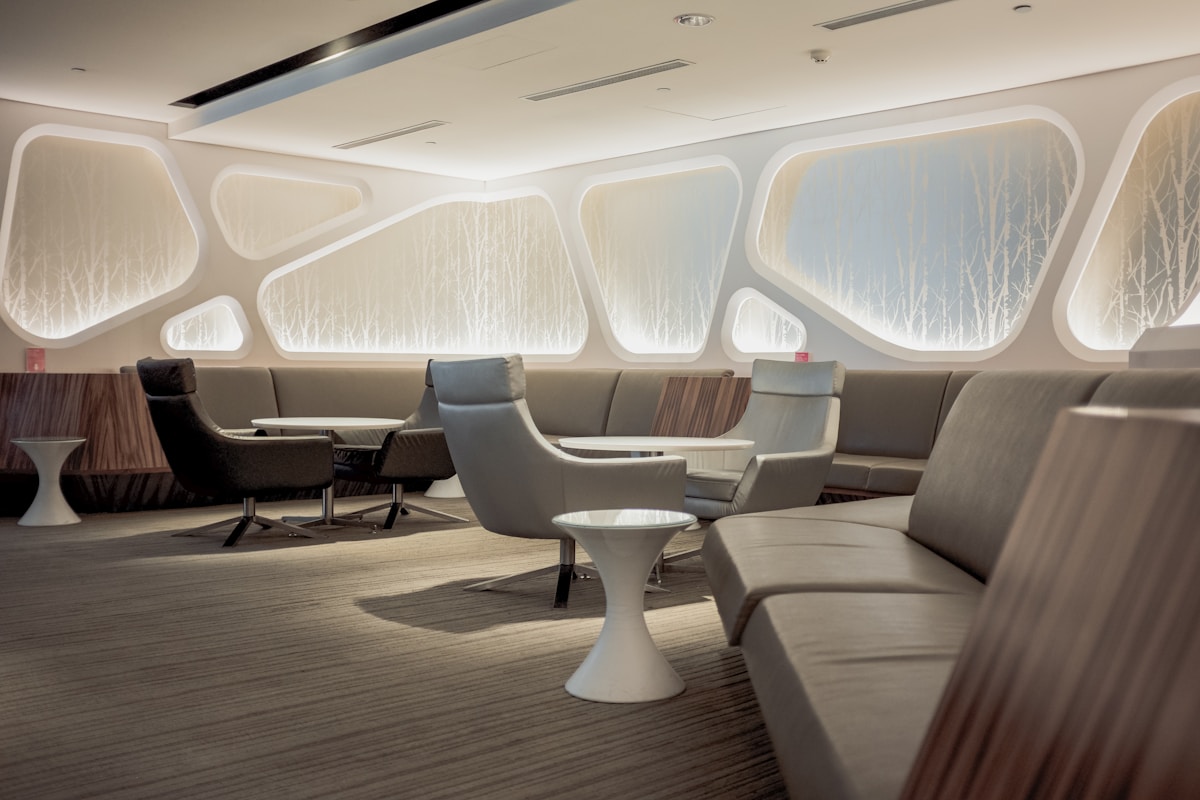
Did you know that the average Parisian apartment measures just 31 square metres—roughly the size of a modest hotel room? Yet European designers have turned these compact spaces into functional, beautiful homes that feel twice their actual size. If you're working with tight square footage, whether in a historic Bucharest flat or a Berlin studio, this guide will show you exactly how to make every centimetre count.
Small space interior design isn't about compromising on style or comfort. It's about smart choices that multiply functionality whilst maintaining the aesthetic you love. Let's explore twelve proven ideas that European designers use to transform cramped quarters into spacious sanctuaries.
The European Small-Space Reality: Why Size Matters More Than Ever

European cities weren't built for sprawling apartments. Historical architecture, soaring property prices, and urban density mean that compact living is the norm, not the exception.
Consider these average apartment sizes across major European capitals: Paris sits at 31m², London at 38m², Amsterdam at 35m², Berlin at 40m², and Bucharest at 45m². These figures reveal a common challenge: how do you create a home that breathes when square metres are scarce?
The good news? Decades of European design innovation have produced countless solutions. From Scandinavian minimalism to Mediterranean ingenuity, the continent's designers have mastered the art of small apartment design ideas that prioritise both form and function.
Whether you're furnishing your first flat or reimagining a long-term space, these twelve ideas will help you maximise small rooms without sacrificing personality.
Idea 1: Multifunctional Furniture—The Foundation of Smart Design
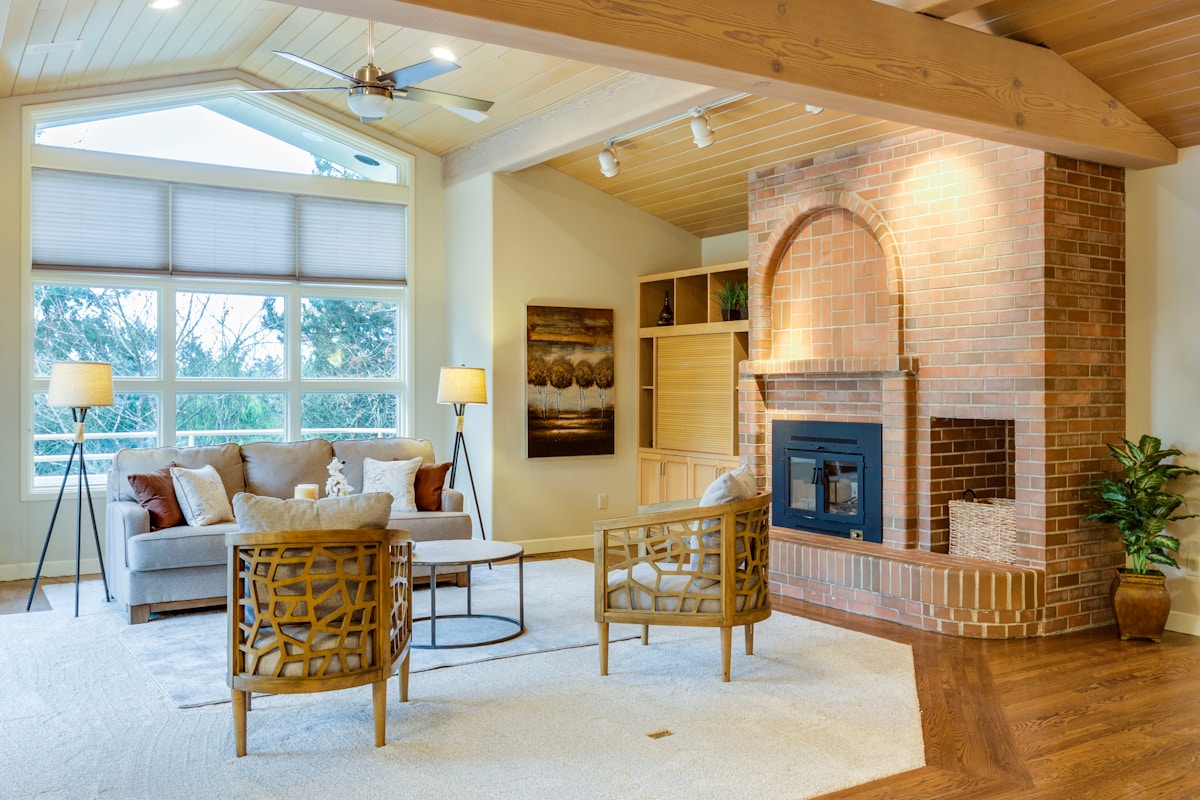
Multifunctional furniture is the cornerstone of interior design small spaces Europe. When every piece serves multiple purposes, you effectively double your usable space.
Start with a sofa bed that transforms from seating to sleeping in seconds. IKEA's FRIHETEN corner sofa-bed (€599) includes hidden storage beneath the chaise, perfect for bedding or seasonal clothes. For smaller budgets, JYSK's HAVNDAL sofa bed (€349) offers a clean Scandinavian profile without compromising comfort.
Dining tables that extend or fold away are equally essential. The NORDEN gateleg table from IKEA (€149) seats six when fully extended but folds to just 26cm depth when not in use. Alternatively, Maisons du Monde's AUSTERLITZ extendable table (€399) brings French elegance whilst expanding from four to eight seats.
Ottoman storage boxes serve triple duty as seating, footrests, and concealed storage. Look for upholstered options that complement your colour scheme—JYSK's TANDERUP ottoman (€79) comes in multiple fabrics and holds blankets, magazines, or children's toys discreetly.
Idea 2: Vertical Storage—Think Upward, Not Outward
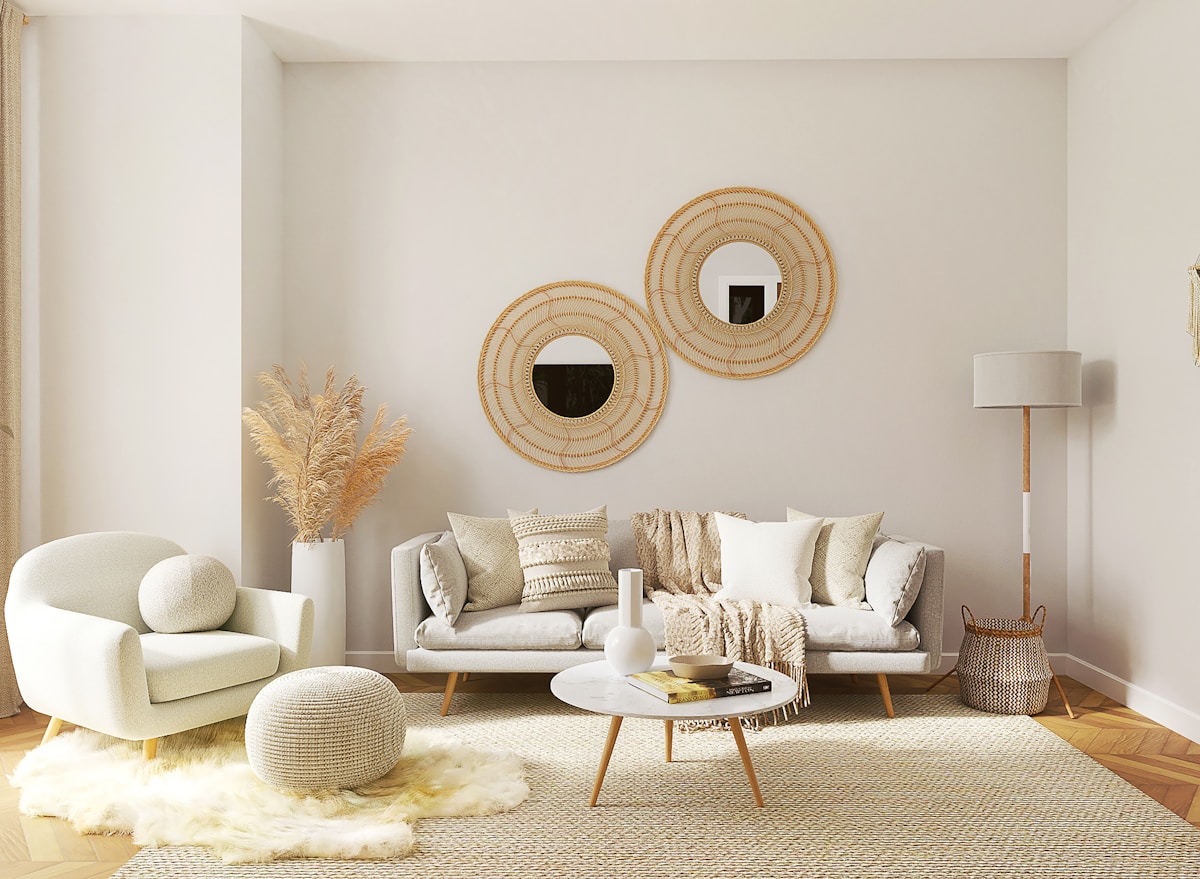
When floor space is limited, vertical storage solutions become your greatest ally. European apartments often feature high ceilings that remain criminally underutilised.
Floor-to-ceiling shelving units maximise wall space whilst drawing the eye upward, creating the illusion of height. IKEA's BILLY bookcase system (from €45 per unit) can be customised with doors, drawers, and extension units to fit any wall. For a more sophisticated finish, consider String Shelving (from €280), the Swedish modular system favoured by Scandinavian designers for its flexibility and timeless aesthetic.
Wall-mounted cabinets in kitchens and bathrooms free up precious counter space. IKEA's ENHET kitchen system (from €520 for a basic setup) allows you to build storage upward, keeping worktops clear. In bathrooms, the GODMORGON wall cabinet (€75) provides storage without encroaching on floor space.
Don't overlook the potential above doorways and in awkward corners. Narrow floating shelves (€15-30 from JYSK) can hold books, plants, or decorative objects in otherwise wasted space. Corner shelving units from Maisons du Monde (from €89) transform dead zones into display opportunities.
Idea 3: Mirror Tricks—Optical Illusions That Actually Work
Mirrors are the oldest trick in the small space designer's handbook, and they work precisely because they manipulate perception so effectively. Strategically placed mirrors reflect light and create visual depth that makes rooms feel substantially larger.
Position a large mirror opposite a window to bounce natural light throughout the room. IKEA's Stockholm mirror (€149, 60×90cm) features a walnut veneer frame that adds warmth whilst doubling apparent square metres. For tighter budgets, the NISSEDAL mirror (€35, 40×150cm) provides similar impact in a minimalist black frame.
Mirrored furniture serves double duty by adding function whilst creating spaciousness. Maisons du Monde's FITZGERALD mirrored console (€299) reflects surrounding décor whilst providing a surface for keys, post, and decorative accents. In bedrooms, mirrored wardrobe doors (available through IKEA's PAX system, from €380) eliminate the need for separate mirrors whilst making the room feel twice its size.
Consider mirror tiles or panels on one entire wall in particularly cramped spaces like narrow hallways or compact bathrooms. This dramatic approach, when done tastefully, can completely transform the perceived dimensions of a room.
Idea 4: Light Colour Palettes—The Psychology of Space
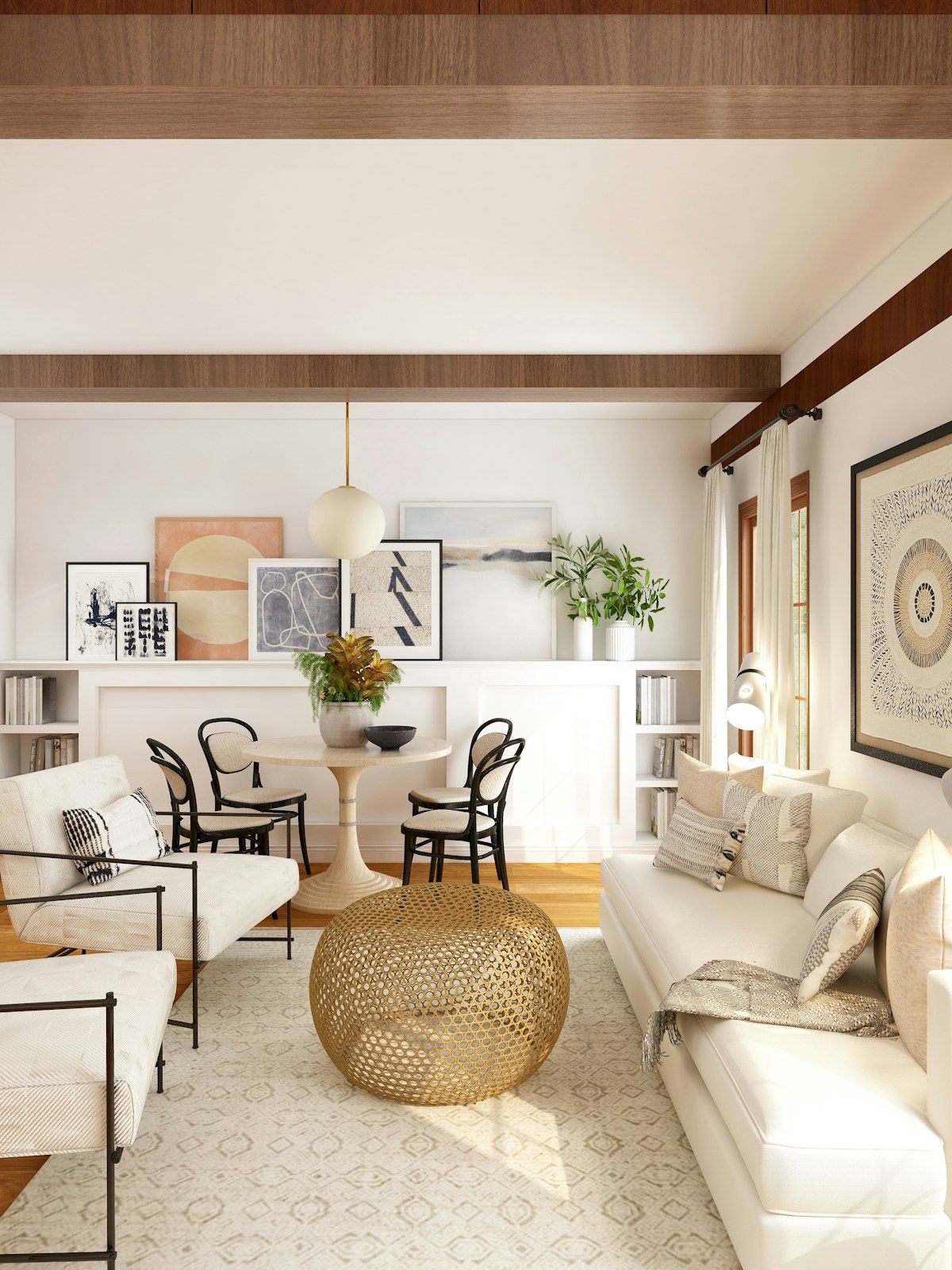
Light colours recede visually, whilst dark colours advance—a principle that becomes crucial in small apartment design ideas. European designers favour whites, creams, soft greys, and pastels precisely because they make compact spaces feel open and airy.
Paint walls, ceilings, and even floors in coordinating light tones to create visual continuity. Dulux's "Natural White" or Farrow & Ball's "Pointing" (€75 per 2.5L) provide sophisticated neutrals that work in any European climate. If pure white feels too clinical, warm it with undertones of cream or grey—Farrow & Ball's "Cornforth White" offers perfect balance.
Extend your light palette to furniture and textiles. White or light grey sofas from IKEA (KIVIK series, from €445) or JYSK (GEDVED series, from €599) create a cohesive flow. Layer with textured cushions and throws in complementary neutrals—linen, cotton, and wool add depth without visual weight.
This doesn't mean your space must be colourless. Use the 80/20 rule: 80% light neutrals as your base, with 20% accent colours in artwork, cushions, or a single statement piece of furniture. This approach maintains spaciousness whilst injecting personality.
Idea 5: Modular Systems—Flexibility for Changing Needs
Modular furniture systems adapt as your life evolves, making them ideal for small spaces where every piece must earn its place. Unlike fixed furniture, modular pieces can be reconfigured, expanded, or reduced based on current needs.
The USM Haller modular furniture system (from €890 per basic unit) represents the gold standard—Swiss-engineered units that stack, connect, and customise infinitely. Available in multiple colours, these systems work equally well as media centres, wardrobes, or office storage. Whilst the investment is substantial, the longevity and flexibility justify the cost.
For more accessible options, IKEA's EKET cabinet series (from €35 per unit) allows you to build custom storage configurations on walls or floors. Available in white, grey, and accent colours, EKET units can be stacked, wall-mounted, or combined with legs to create unique solutions that fit your exact space.
Modular seating like the VALLENTUNA series from IKEA (from €345 per section) lets you configure and reconfigure your sofa as needed. Add or remove sections, incorporate storage modules, or transform from a compact loveseat to a full corner sofa when you move or your needs change.
Idea 6: Smart Lighting—Layers That Create Depth
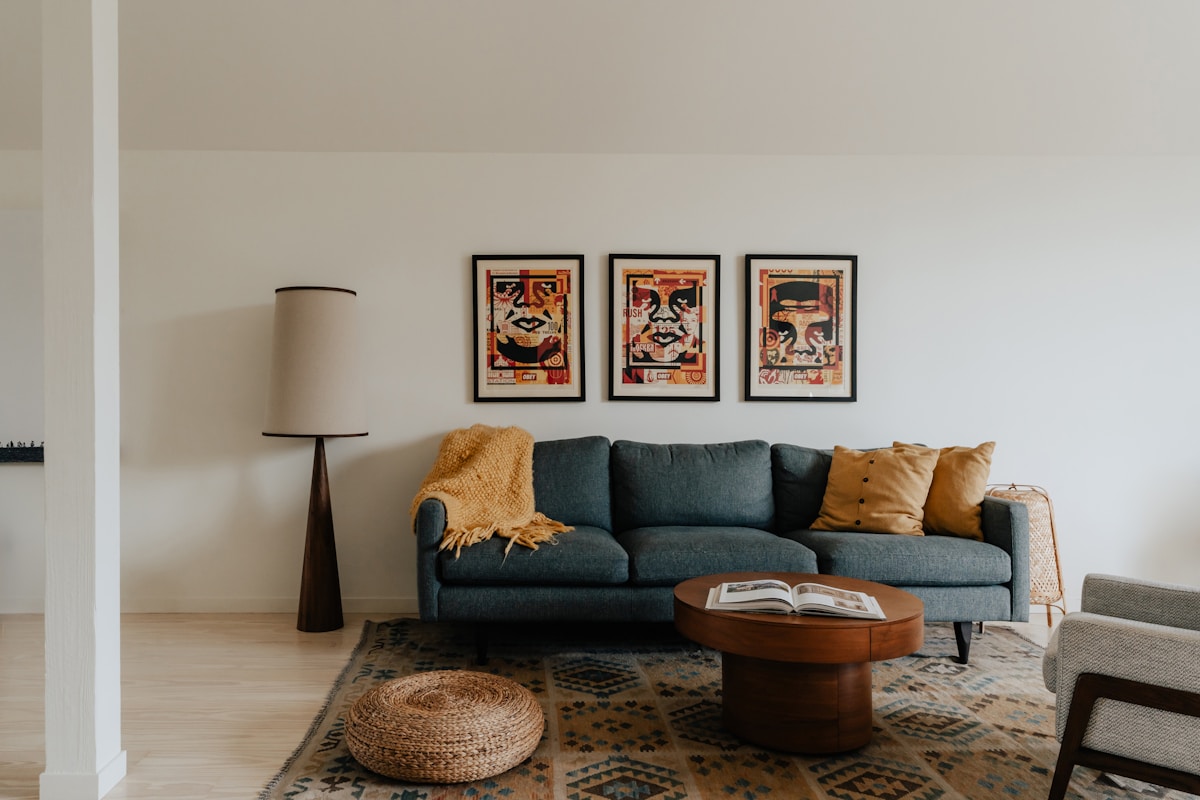
Strategic lighting creates zones and depth in ways that single overhead fixtures cannot. In small spaces, layered lighting—ambient, task, and accent—makes rooms feel larger and more sophisticated.
Replace harsh ceiling lights with multiple light sources at different heights. Floor lamps like IKEA's NOT (€25) or RANARP (€75) provide ambient lighting whilst taking up minimal floor space. Wall-mounted reading lights (RANARP wall lamp, €45) free up bedside table space entirely.
Under-cabinet LED strips in kitchens (€15-30 per metre from DIY retailers) illuminate worktops without requiring additional fixtures. These also work beautifully under floating shelves to highlight artwork or create ambiance in living areas.
Dimmer switches (€20-40 installed) transform fixed lighting into flexible mood creators. Smart bulbs from Philips Hue (from €25 per bulb) allow you to adjust colour temperature and brightness via smartphone, creating different atmospheres without changing fixtures.
Place lamps in corners to push light outward, making rooms feel more expansive. The psychological effect of well-lit corners is subtle but powerful—darkness in corners makes spaces contract visually.
Idea 7: Built-In Solutions—Custom Fit for Awkward Spaces
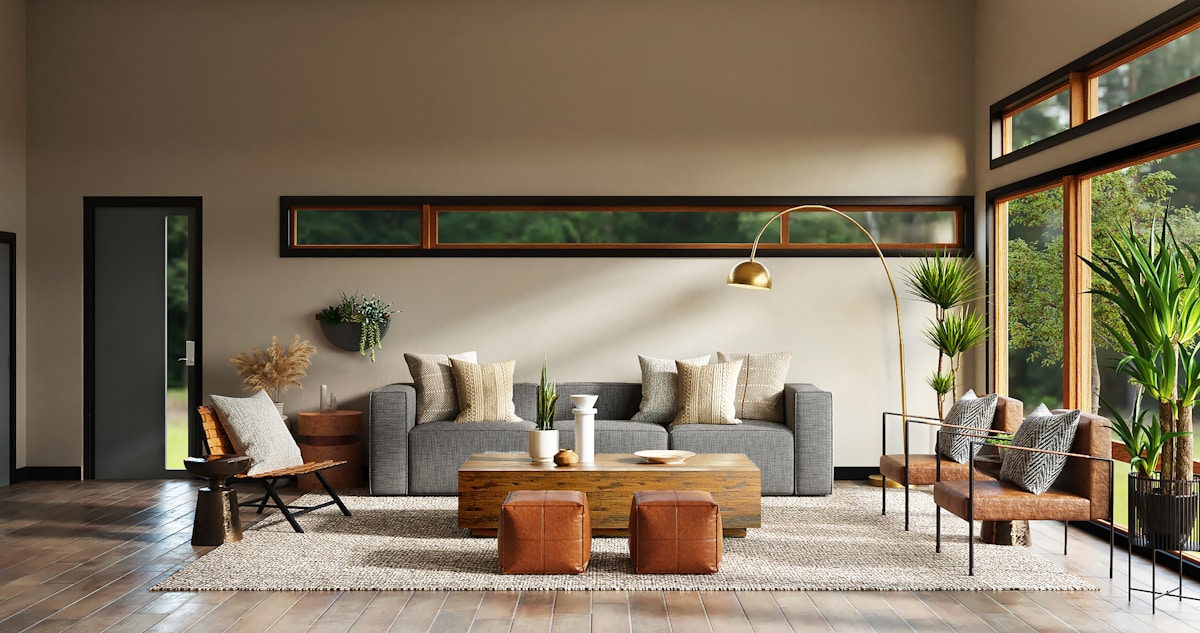
Built-in furniture maximises every centimetre, particularly in European apartments with unusual layouts, sloped ceilings, or architectural quirks. Whilst custom carpentry requires investment, the space efficiency often justifies the cost.
Built-in wardrobes utilise full wall height and depth, eliminating wasted space above freestanding furniture. IKEA's PAX system (from €380 for a 150cm wardrobe) offers semi-custom solutions with interior organisers that fit your specific needs. For truly bespoke options, local carpenters typically charge €2,000-5,000 depending on size and materials.
Window seats with integrated storage make use of alcoves and bay windows that would otherwise remain empty. These create charming reading nooks whilst hiding seasonal items, sports equipment, or extra bedding. Cushion the top with a made-to-measure seat pad (€100-200 from local upholsterers).
Built-in desks in alcoves or along short walls provide dedicated workspace without sacrificing floor area. A floating desk fitted between walls needs only a worktop (€50-150 for butcher block or laminate) and brackets (€20-40), yet provides a permanent home office solution.
Under-stair storage in maisonettes or loft apartments transforms dead space into practical cupboards. Custom pull-out drawers or shelving can hold everything from shoes to vacuum cleaners, keeping living areas clutter-free.
Idea 8: Sliding Doors—Space Saved by Swing Radius
Traditional hinged doors require clearance that eats into usable floor space. Sliding doors eliminate swing radius, reclaiming those valuable square metres for furniture or movement.
Replace bedroom doors with sliding barn-style doors (€150-400 for hardware and door from retailers like Leroy Merlin or Hornbach). These add character whilst freeing up the space previously lost to door swing. Internal sliding systems (€200-500 installed) work particularly well for bathrooms and wardrobes.
Pocket doors that slide into the wall represent the ultimate space saver, though installation is more complex and typically requires professional help (€500-1,200 including materials and labour). These work best during renovations when walls are already open.
For wardrobes, sliding mirrored doors (IKEA PAX with AULI doors, from €480) combine the space-saving benefits of sliders with the room-expanding properties of mirrors—a double win for small apartment design ideas.
Glass sliding doors between rooms maintain sightlines and light flow whilst providing separation when needed. IKEA's EKET glass door (€50) or custom frameless glass panels (€400-800 from glass specialists) keep spaces feeling open even when divided.
Idea 9: Transparent Furniture—Visual Lightness
Transparent materials like glass and acrylic create visual lightness that solid furniture cannot. Because you can see through them, these pieces occupy physical space without creating visual bulk.
Acrylic chairs like the iconic Louis Ghost chair by Kartell (€329) or budget alternatives from JYSK (RIBE acrylic chair, €89) provide seating without blocking sightlines. These work beautifully around dining tables or as desk chairs where you want functionality without visual weight.
Glass coffee tables maintain openness in living rooms. IKEA's VITTSJÖ series (from €59) combines glass shelves with metal frames for an industrial-meets-minimal aesthetic. Maisons du Monde's MADISON glass coffee table (€199) offers a more refined option with brass-tone legs.
Lucite or glass console tables in narrow hallways provide a surface for keys and post without making the space feel narrower. A simple glass shelf mounted to the wall with chrome brackets (€30-60 total from DIY stores) achieves the same effect economically.
Even lighting benefits from transparency—glass pendant lights or clear cable lamps maintain vertical interest without creating visual clutter. IKEA's JAKOBSBYN pendant (€45) exemplifies this approach with its clear glass shade and brass details.
Idea 10: Wall-Mounted Everything—Free Your Floor Space
When furniture doesn't touch the floor, rooms instantly feel more spacious. Wall-mounting creates physical and visual breathing room, making small spaces easier to clean and psychologically more open.
Wall-mounted TVs eliminate the need for media consoles in compact living rooms. Universal mounts (€30-80 from electronics retailers) work with most modern TVs, freeing up several square metres. Combine with floating shelves or wall-mounted cabinets (IKEA BESTÅ system, from €90) for media storage that doesn't encroach on floor space.
Floating desks in home offices provide workspace without the visual bulk of traditional desks with legs. IKEA's LINNMON table top (€25) mounted on EKBY brackets (€15) creates a sturdy workspace for under €50. For a more refined look, a solid wood worktop from a timber merchant (€80-150) mounted to the wall becomes a beautiful bespoke desk.
Wall-mounted toilets and sinks in bathrooms hide plumbing whilst making tiny spaces feel less cramped. Whilst installation requires professional plumbing (€400-800 including labour), the spatial impact is dramatic, particularly in narrow powder rooms.
Bedside tables need not stand on the floor—floating nightstands from IKEA (LACK wall shelf, €10) or Maisons du Monde (LENOX floating bedside table, €79) provide surface space for lamps, books, and phones without reducing floor area. This approach is particularly effective in tight bedrooms where traditional nightstands would obstruct movement.
Idea 11: Nested Tables—Flexibility Without Clutter
Nested tables provide surface area when needed and tuck away when not, offering flexibility that fixed coffee tables cannot match. This adaptability is crucial in small apartment design ideas where furniture must serve multiple scenarios.
A set of three nesting tables can spread across a living room when you're entertaining, then stack into a single footprint for daily life. IKEA's VITTSJÖ nest of tables (€69 for set of two) features metal and glass construction that maintains visual lightness. For warmer aesthetics, JYSK's ABILDSKOV nest (€119 for three) offers solid oak construction with mid-century appeal.
Nesting tables work equally well as side tables, laptop stands, or impromptu dining surfaces. Their mobility lets you reconfigure your space instantly—pull one out for a cup of tea, use two for a work-from-home setup, or deploy all three when friends visit.
Maisons du Monde offers designer versions like the TROCADÉRO nesting tables (€179) in brass and marble, bringing luxury materials into compact spaces without permanent commitment to floor space. These can also serve as sculptural objects when nested, adding visual interest beyond pure function.
Consider C-shaped nesting tables that slide under sofas when not in use. This style (available from IKEA as RIAN, €35, or in higher-end versions from Maisons du Monde, from €129) maximises accessibility whilst maintaining flexibility.
Idea 12: Fold-Away Desks—Home Offices That Disappear
The rise of remote work has made dedicated workspace essential, yet fold-away desks let home offices vanish when the workday ends. This separation between work and home life is particularly important in studio apartments or one-bedroom flats.
Wall-mounted fold-down desks represent the most compact solution. IKEA's NORBERG wall-mounted drop-leaf table (€55) folds to just 10cm depth when not in use, yet provides a 74×60cm work surface when deployed. Stronger alternatives from Hafele or similar hardware specialists (€100-200 for brackets and worktop) support more weight for multiple monitors or heavy equipment.
Secretary desks like IKEA's HEMNES (€289) contain storage and workspace in a single piece of furniture that closes completely. When shut, they resemble attractive cabinets rather than obvious home offices. Maisons du Monde's NEWPORT secretary (€479) offers a more refined aesthetic with multiple interior compartments for office supplies.
Murphy beds with integrated desks represent the ultimate space-saving combination for studio apartments. Companies like Clei or LGM offer systems (€2,500-5,000) where a desk surface flips up to reveal a fold-down bed, transforming a home office into a bedroom in seconds. Whilst expensive, this solution genuinely creates two rooms in the space of one.
For renters or those preferring non-permanent solutions, freestanding fold-away desks from retailers like Habitat UK (from €220) or La Redoute (from €189) provide mobility without wall mounting. These can move between rooms as needs change or relocate entirely when you do.
Small-Space Design Mistakes to Avoid

Even with the best intentions, certain pitfalls can make small spaces feel smaller. Avoiding these common mistakes is as important as implementing good ideas.
Overcrowding remains the primary sin of small space interior design. Every additional piece of furniture reduces both physical and visual space. Embrace minimalism—choose fewer, better pieces rather than filling every corner. If you question whether you need something, you probably don't.
Dark colours in windowless rooms can make tight spaces feel oppressive. Whilst dark walls work beautifully in large, light-filled rooms, they absorb light and close in small spaces. If you love deep colours, use them in well-lit areas or as accent walls rather than throughout.
Ignoring vertical space means losing half your potential storage. Look up—walls extend to ceilings, and that upper portion is valuable real estate. Floor-to-ceiling solutions always trump waist-height alternatives in compact homes.
Blocking natural light with heavy curtains or poorly positioned furniture makes rooms feel smaller and more cave-like. Keep windows clear, use sheer curtains if privacy is needed, and position furniture to maximise light flow.
Inconsistent styling creates visual chaos that makes small spaces feel cluttered even when they're not. Choose a cohesive colour palette and design style, then stick to it. Eclectic can work in large spaces, but compact rooms benefit from consistency.
Scale mistakes—particularly oversized furniture—overwhelm small rooms. A massive sectional sofa might be comfortable, but if it dominates your entire living room, it makes the space feel smaller. Choose appropriately scaled pieces that fit the room's proportions.
How ArcOps Supports Your Small Space Journey
Finding the right furniture and fixtures at the best prices can be overwhelming, particularly when shopping across multiple retailers. ArcOps streamlines product sourcing, helping you locate exactly what you need from European suppliers whilst comparing prices and delivery options.
Whether you're searching for specific items mentioned in this article or exploring alternatives, ArcOps' product sourcing tools can save hours of research. From IKEA basics to Maisons du Monde statement pieces, find everything in one place rather than visiting dozens of websites separately.
For more design inspiration, explore our Scandinavian design guide, which delves deeper into the minimalist aesthetic that works so well in compact spaces. Our trends roundup highlights current European interior design movements, whilst our product sourcing guide explains how to find the best deals on quality furniture across EU retailers.
Key Takeaways
Small space interior design in Europe requires strategy, but the results are absolutely worth the effort. Here's what to remember:
- Multifunctional furniture and vertical storage maximise limited square metres by serving multiple purposes
- Light colours, mirrors, and transparent materials create psychological spaciousness that makes rooms feel larger than their actual dimensions
- Modular systems and fold-away solutions provide flexibility as your needs change over time
- Wall-mounted furniture and sliding doors reclaim floor space lost to traditional furnishings
- Quality over quantity always wins—fewer, better-chosen pieces create more functional, beautiful spaces than overcrowded rooms
European cities have proven that compact living doesn't mean compromised living. With thoughtful choices and strategic design, your 35-square-metre flat can feel as comfortable and stylish as a much larger home.
Frequently Asked Questions
What is the best colour scheme for small apartments in Europe?
Light, neutral colour schemes work best for maximising small spaces. Whites, soft greys, creams, and pale pastels reflect light and create visual expansion. Use the 80/20 rule—80% light neutrals as your base, with 20% accent colours in accessories and artwork. This maintains spaciousness whilst allowing personality. Avoid dark colours on all walls in rooms with limited natural light, though dark accent walls can work effectively in well-lit spaces.
How much should I budget for furnishing a small European apartment?
Budget expectations vary significantly by city and quality preferences. For a basic 40m² apartment, expect €3,000-5,000 for essential furniture from affordable retailers like IKEA and JYSK (sofa, bed, dining table, storage solutions). Mid-range furnishings from Maisons du Monde or Habitat increase this to €6,000-10,000. Custom built-ins or designer pieces can push budgets to €15,000+. Prioritise multifunctional pieces and quality items you'll keep for years over trendy pieces that won't last.
Do small space design rules differ between Northern and Southern Europe?
Whilst the fundamental principles remain constant, climate and light availability create regional variations. Northern European countries with limited daylight hours emphasise light colours, maximum natural light, and abundant artificial lighting. Southern European spaces can accommodate slightly darker colours due to stronger, more consistent sunshine. Mediterranean apartments also tend to have better outdoor space (balconies, terraces), which effectively extends living areas and influences furniture choices. Adapt these twelve core ideas to your specific location's light conditions and climate.
Is it worth investing in custom built-in furniture for a rental apartment?
Generally, permanent built-ins make more sense for owned properties where you'll recoup the investment. However, some semi-permanent solutions work well for long-term rentals. IKEA's PAX wardrobes or BESTÅ storage systems install easily and can be removed when you move, taking them with you or selling locally. Wall-mounted desks using simple brackets can be uninstalled with minimal damage (easily repairable with filler). Always check your tenancy agreement regarding alterations, and consider whether the spatial improvement justifies the cost over your expected tenure.
How do I make a studio apartment feel like it has separate rooms?
Create zones through strategic furniture placement, rugs, and room dividers rather than permanent walls. Position a sofa with its back to the sleeping area to psychologically separate living and bedroom zones. Use open shelving units as partial dividers that maintain sightlines whilst defining spaces. Area rugs delineate different functional areas—one under the dining table, another in the living zone. Curtains or sliding screens can separate the sleeping area when privacy is needed but remain open for spaciousness during the day. Consistent lighting within each zone (bedside lamp in sleeping area, floor lamp in living zone) further reinforces the separation.
Ready to transform your compact European home? Start with one or two ideas from this guide, then build from there. Small space interior design is a journey, not a destination—and every improvement makes your home more functional and beautiful. Browse our product sourcing guide to find exactly what you need, or explore our Scandinavian design guide for more minimalist inspiration tailored to European living.