

The Best Interior Design Software for European Designers in 2026: An Honest Comparison

You're juggling three client projects, a sourcing board with pieces from IKEA and Westwing, and a pricing spreadsheet that's somehow in both EUR and RON. Your client just asked for "one place to see everything," and you're copying links between Pinterest, Google Sheets, and WhatsApp. You've Googled "best interior design software" twelve times this month, but every comparison is written for American designers with American tools, American pricing, and American workflows.
Here's the truth: most interior design software wasn't built for European designers. The tools that dominate every "best of" list don't support multiple currencies, don't integrate with EU retailers, and cost more than you earn in a slow month. You're not imagining the disconnect.
This guide evaluates eight interior design software platforms specifically through the European designer's lens. We'll compare features, pricing, and real-world usability for freelancers and small studios working across Europe. No fluff, no affiliate bias—just an honest assessment of what actually works in 2026.
What European Interior Designers Actually Need from Software
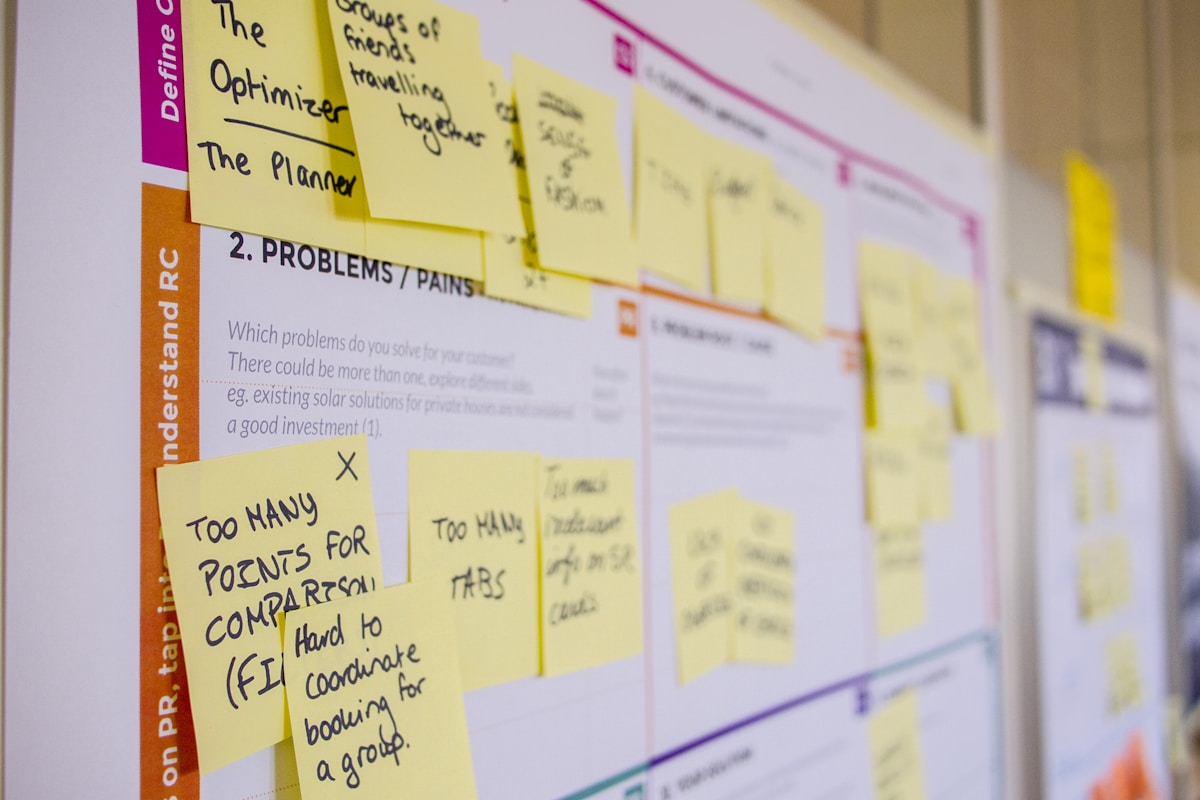
Before we dive into specific tools, let's establish what matters for your business. You're not running a 50-person firm in Manhattan. You're a freelancer or small studio managing 3-15 projects annually, sourcing from European suppliers, and serving clients who want transparency without complexity.
Multi-Currency Support That Actually Works
You quote in EUR, source in GBP, and occasionally work with Romanian suppliers in RON. Your software should handle automatic currency conversion without forcing you into manual calculations. Most US-based platforms either don't support multiple currencies or bury the feature behind enterprise pricing.
This isn't a nice-to-have. When you're managing a €15,000 project with items from five countries, currency chaos kills your profit margins.
Integration with European Retailers and Suppliers
Your mood boards include IKEA, JYSK, Westwing, Made.com, and local Romanian furniture makers. You need software that lets you pull product details, pricing, and images directly from European sources—or at minimum, makes it easy to add them manually without breaking your visual layouts.
American platforms assume you're sourcing from Wayfair and West Elm. That's useless when 80% of your budget comes from European suppliers.
Client-Facing Sharing Without the Learning Curve
Your clients are busy professionals, not software users. They need to see your design proposals, approve selections, and leave comments without downloading an app or watching a tutorial. One click, one link, done.
Complex client portals sound impressive in demos, but they create friction. Your client should spend time loving your design, not figuring out how to log in.
Profit Tracking and Margin Visibility
You're running a business, not a hobby. Your software should show you exactly how much profit you're making on every item, every room, and every project. You need to see your markup percentages, track your time, and know which projects are worth your energy.
Spreadsheets can do this, but they can't do it automatically while you're designing. That's the gap.
Affordable Pricing for European Freelance Income
The average interior design freelancer in Europe earns €25,000-€45,000 annually. Paying €150/month for software that you use 40% of is financial self-sabotage. You need flexible pricing that scales with your project volume, not your dreams.
US platforms priced for six-figure studios don't work when you're building your practice. Affordable doesn't mean cheap—it means proportional to the value you're getting.
Tool-by-Tool Reviews: The Complete Breakdown

Let's evaluate each platform against the criteria that matter for European designers. We've tested these tools with real projects, real suppliers, and real client workflows.
Houzz Pro
Best for: Designers who prioritise client acquisition over project management efficiency.
Houzz Pro is the 800-pound gorilla of interior design software. It combines a public portfolio platform with project management tools, giving you exposure to millions of potential clients while managing your existing work. The promise is compelling: one platform for marketing and operations.
The reality is messier. Houzz Pro's project management features feel like an afterthought compared to its lead generation engine. You can create proposals, track budgets, and share mood boards, but the currency support is limited—it defaults to USD or converts awkwardly. Sourcing from European retailers requires manual entry for every single item, complete with pricing and images you'll paste from screenshots.
Client sharing works reasonably well. Your clients get a clean link to view proposals and leave comments without creating an account. The mobile experience is polished, which matters when your client is reviewing finishes from their morning commute.
Pricing: €59/month for the basic plan, €99/month for Pro. Both in EUR, but you're paying partially for lead generation you may not need.
European-specific issues: No native integration with IKEA, Westwing, or EU suppliers. Currency conversion exists but feels clunky. GDPR-compliant, but customer support operates on US time zones.
The verdict: Houzz Pro works if you need the marketing platform and can tolerate mediocre project management. If you're already booked with clients, you're paying for features you won't use.
Programa
Best for: Designers who love beautiful interfaces and can afford premium pricing.
Programa is the design world's darling—gorgeously designed, thoughtfully built, and priced accordingly. It's an all-in-one platform for mood boards, sourcing, client presentations, and project financials. Everything is visual, intuitive, and Instagram-worthy.
The sourcing library includes some European retailers, though coverage is inconsistent. You'll find IKEA and some Westwing products, but expect to manually add anything from smaller EU suppliers. The interface makes manual entry almost pleasant, with drag-and-drop image uploads and clean product cards.
Currency support exists, but it's not seamless. You can set project currencies and Programa will display totals correctly, but conversion happens at display time, not dynamically. If exchange rates shift mid-project, you'll notice.
Client presentations are stunning. Your proposals look like magazine spreads, and clients can approve items with a single click. The mobile experience is excellent. Your clients will be impressed—genuinely.
Pricing: €79/month for solo designers, €129/month for teams. Annual plans offer modest discounts.
European-specific issues: Limited EU retailer integrations. Time tracking and profit margin calculations are present but basic. Built for design presentation, not operational rigour.
The verdict: Programa is beautiful and effective if your budget allows it. You're paying for polish and client experience. If margins are tight, that's a hard sell.
Studio Designer
Best for: Established studios with complex procurement workflows and US-based suppliers.
Studio Designer is the enterprise option—comprehensive, powerful, and overwhelming. It handles every aspect of project management: sourcing, proposals, invoicing, time tracking, purchasing, and vendor management. It's designed for studios managing hundreds of line items across multiple projects.
The problem is obvious: it's built for American interior designers working with American trade suppliers. The retailer integrations are 90% US-focused. You can manually add European products, but you're fighting the system's assumptions at every turn.
Currency support is technically present but requires configuration. You'll spend time in settings defining exchange rates and regional tax rules. For a European freelancer, this is like buying a lorry to deliver groceries.
Client sharing is robust but complex. Your clients can log into a portal, review proposals, and approve items—but the learning curve is steep. Expect multiple "how do I..." messages.
Pricing: Starts at $79/month (approximately €75), but meaningful functionality requires the Professional plan at $149/month (€140). Annual commitment required.
European-specific issues: Minimal EU retailer integration. Assumes US tax and invoicing structures. Overwhelming feature set for solo designers.
The verdict: Studio Designer is overkill unless you're managing 20+ projects simultaneously with dedicated admin support. European freelancers should look elsewhere.
Mydoma Studio
Best for: Designers who want project management simplicity without the visual bells and whistles.
Mydoma Studio positions itself as the practical choice—less flashy than Programa, more accessible than Studio Designer. It covers the essentials: mood boards, sourcing, client presentations, proposals, and basic financials.
The sourcing experience is functional but manual. Mydoma includes a product library with some international brands, but European coverage is sparse. You'll be manually entering IKEA items, Westwing pieces, and local suppliers. The interface makes this tolerable but not enjoyable.
Currency support works adequately. You can set project currencies and Mydoma handles display and totals. Profit tracking is straightforward—you enter cost and retail prices, and the platform calculates margins. It's not automated, but it's visible.
Client presentations are clean and professional without being spectacular. Your clients click a link, see a proposal, and approve items. The workflow is simple, which often matters more than polish.
Pricing: $49/month (approximately €46) for solo designers, $99/month (€93) for studios. Monthly plans available.
European-specific issues: Limited EU retailer integration. Built for simplicity, which sometimes means basic functionality. Customer support is responsive but US-based.
The verdict: Mydoma is the solid middle option. It won't wow you or your clients, but it handles the job without breaking your budget. Good choice for designers prioritising function over form.
DesignFiles
Best for: Designers who live in spreadsheets and want digital order.
DesignFiles feels like Excel met interior design and decided to get organised. It's structured, detail-oriented, and built for designers who think in line items and budgets. If you've been managing projects in Google Sheets, DesignFiles is your natural upgrade.
The platform shines in financial tracking. You can see cost breakdowns, profit margins, and budget status at a glance. Time tracking is built-in, letting you monitor how much energy each project actually consumes. This is rare among design platforms.
Sourcing is entirely manual. DesignFiles has no retailer integrations—European or otherwise. You'll enter every product by hand, complete with costs, retail prices, and images. The interface is efficient for data entry, but this is still tedious work.
Client presentations are functional but dated. Your clients see organised proposals with line items and totals, but the visual impact is minimal. If your clients care more about numbers than aesthetics, that's fine. If they expect magazine-quality boards, you'll need to supplement with other tools.
Pricing: $49/month (€46) for individual designers. Simple, straightforward, no hidden tiers.
European-specific issues: No integrations whatsoever. Currency support requires manual setup. Interface feels 5-10 years behind modern design tools.
The verdict: DesignFiles works for analytically-minded designers who value financial visibility over presentation polish. If you're selling design vision and aesthetic experience, look elsewhere.
Monday.com (Adapted for Interior Design)
Best for: Designers already using Monday.com who want to consolidate tools.
Monday.com isn't interior design software—it's a general project management platform that designers have adapted. You'll build your own workflows with boards, automations, and custom fields. The flexibility is liberating until it's paralysing.
The advantage is clear: if you're already managing client communication or admin tasks in Monday.com, adding project management makes sense. You can create sourcing boards, client approval workflows, and budget trackers using the same platform you know.
The disadvantage is equally clear: you're building everything from scratch. There's no mood board feature, no client presentation mode, no product library. You'll use custom fields for costs and retail prices, then create formula columns for margins. It's possible, but it's work.
European retailers? You're handling that yourself—probably with links and screenshot uploads. Currency? You'll use number columns and currency formatting. It functions, but you're the architect.
Client sharing exists through guest access and shareable board views. Your clients can comment and update status columns, but the experience isn't designed for interior design specifically. Expect questions.
Pricing: €8/month per user for Basic, €10/month for Standard, €16/month for Pro. Prices in EUR, which is refreshing.
European-specific issues: You're building every workflow manually. No design-specific features. Client experience requires explanation.
The verdict: Monday.com works if you're technically comfortable and want maximum flexibility. For most designers, you're trading time for customisation you don't need.
ClickUp (Adapted for Interior Design)
Best for: Power users who want to configure everything and don't mind the learning curve.
ClickUp is Monday.com's more complex cousin—even more customisable, even steeper learning curve. You can theoretically build any workflow imaginable. In practice, you'll spend hours watching tutorials and questioning your choices.
Like Monday.com, ClickUp has no native interior design features. You'll create tasks for each room, custom fields for products, and lists for budgets. You can embed images, link to supplier websites, and build approval workflows with automations. The platform won't stop you from doing anything.
But it also won't guide you. There's no template for "interior design proposal." You're starting with a blank workspace and infinite options. For some designers, this is exciting. For most, it's a time sink.
Client sharing is possible through guest access and shared views, but the interface is dense. Your clients will see your project structure, which might be impressive or overwhelming depending on their tolerance for complexity.
Pricing: Free plan available (limited features). Unlimited plan at €5/month per user. Business plan at €12/month. Prices in EUR.
European-specific issues: Zero design-specific features. Requires significant configuration time. Client experience depends entirely on how you build it.
The verdict: ClickUp is for designers who enjoy systems-building as much as design itself. If you want software that works out of the box, avoid this path.
ArcOps (Launching 2026)
Transparency note: ArcOps is our platform, currently in development and launching in 2026. We're including it here because it's being built specifically to address the European designer gap we've identified.
Best for: European freelance designers and small studios tired of US-centric tools.
ArcOps is being developed with one target user: the European interior design freelancer earning €25,000-€50,000 annually, managing 5-15 projects per year, sourcing from European retailers, and needing professional client experiences without enterprise complexity.
Every feature decision starts with this question: does it solve a real problem for Elena, our 32-year-old freelance designer in Bucharest?
The platform includes native multi-currency support (EUR, RON, GBP, PLN, and more) with automatic exchange rate updates. Your sourcing boards can mix IKEA items in SEK, Westwing products in EUR, and local suppliers in RON—the system handles conversions and shows you real-time profit margins in your base currency.
European retailer integration is a priority. The launch version will include direct product pulls from IKEA, Westwing, and JYSK, with more EU suppliers added based on user requests. Manual entry is streamlined with AI-assisted image recognition and automatic detail extraction.
Client sharing is designed for simplicity: one click generates a shareable link with your mood board, product selections, and pricing. No login required. Your client sees a beautiful presentation on mobile or desktop, approves items with a tap, and leaves comments inline. You get notified instantly.
Profit tracking is automatic and visible. Every item shows your cost, retail price, markup percentage, and profit margin. The dashboard tells you which projects are most profitable and where you're losing time. Your business health is never a mystery.
Pricing: €29/month for freelancers (up to 10 active projects), €79/month for studios (unlimited projects, team collaboration). Monthly plans, no annual commitment required. First three months free for early adopters.
European-specific approach: Built by a European team, hosted on EU servers (GDPR-native), customer support in European time zones, pricing aligned with European freelance income.
The honest limitations: ArcOps is launching in 2026, not available yet. The feature set will be focused rather than comprehensive—we're building depth in sourcing, client presentation, and profit tracking before expanding to time tracking, invoicing, or advanced procurement. If you need those features today, you'll need another tool.
The verdict: If the European-first approach resonates and you can wait until 2026, ArcOps is worth watching. If you need software today, the other options in this guide are your current reality.
Feature Comparison Table: What You Actually Get

Here's how these platforms compare across the features that matter for European interior designers. We've highlighted EU-specific criteria in bold.
| Feature | Houzz Pro | Programa | Studio Designer | Mydoma | DesignFiles | Monday.com | ClickUp | ArcOps |
| Multi-currency support | Limited | Yes | Yes (complex) | Yes | Manual | Manual | Manual | Native |
| EU retailer integration | No | Partial (IKEA) | Minimal | Minimal | No | No | No | Yes (IKEA, Westwing, JYSK) |
| GDPR compliance | Yes | Yes | Yes | Yes | Yes | Yes | Yes | Native (EU-hosted) |
| Mood board creation | Yes | Excellent | Yes | Yes | Basic | Manual | Manual | Yes |
| Client presentation mode | Good | Excellent | Complex | Good | Basic | Manual | Manual | Excellent |
| No-login client sharing | Yes | Yes | No (portal) | Yes | Yes | Partial | Partial | Yes |
| Product sourcing library | US-focused | Some EU | US-focused | Limited | No | No | No | EU-focused |
| Automatic profit tracking | No | Basic | Yes | Yes | Yes | Manual | Manual | Yes |
| Markup % visibility | Limited | Yes | Yes | Yes | Yes | Manual | Manual | Yes |
| Budget vs. actual tracking | Yes | Yes | Yes | Yes | Yes | Manual | Manual | Yes |
| Time tracking | No | Basic | Yes | No | Yes | Yes | Yes | Planned |
| Invoicing | Basic | No | Yes | Yes | No | No | No | Planned |
| Mobile app | Excellent | Good | Yes | Limited | No | Excellent | Good | Launch 2026 |
| Team collaboration | Yes | Yes | Excellent | Yes | Limited | Excellent | Excellent | Yes (Studio plan) |
| Storage space | 5GB | 10GB | 50GB+ | 5GB | Unlimited | Depends on plan | Depends on plan | 20GB (Freelance), Unlimited (Studio) |
| Customer support time zone | US | EU/US | US | US | US | Global | Global | EU |
| Learning curve | Moderate | Low | Steep | Moderate | Moderate | Steep | Very steep | Low |
| Pricing in EUR | Yes | Yes | No (USD) | No (USD) | No (USD) | Yes | Yes | Yes |
Pricing Comparison: What You'll Actually Pay

All prices converted to EUR at current rates (January 2026) and shown per user per month on annual plans. Monthly plans typically cost 20-30% more.
| Platform | Entry Plan | Mid-Tier Plan | Top Tier | Free Trial |
| Houzz Pro | €59/month | €99/month | Custom | 30 days |
| Programa | €79/month | €129/month (teams) | — | 14 days |
| Studio Designer | €75/month | €140/month | €200+/month | 14 days |
| Mydoma Studio | €46/month | €93/month | — | 14 days |
| DesignFiles | €46/month | — | — | 30 days |
| Monday.com | €8/month | €10/month | €16/month | 14 days |
| ClickUp | Free | €5/month | €12/month | Forever (limited) |
| ArcOps | €29/month | €79/month | — | 90 days (early adopters) |
Context for European freelancers: If you're earning €30,000/year, a €79/month software subscription is 3.16% of your gross income. That's significant. Choose tools that deliver proportional value.
The European Gap: What Every Tool Is Missing

After testing these platforms for months, we've identified consistent blind spots. These aren't minor inconveniences—they're fundamental mismatches between how software is built and how European designers actually work.
Real-Time Exchange Rate Integration
Most platforms that "support" multiple currencies do so statically. You enter an exchange rate manually, and it stays fixed until you update it. In reality, exchange rates fluctuate daily. When you're sourcing a €5,000 sofa from a UK supplier priced in GBP, a 5% swing in EUR/GBP directly affects your profit margin.
European designers need software that updates exchange rates automatically and alerts you when currency movements threaten your margins. None of the current tools do this well.
European Retail Ecosystem Integration
The American tools integrate with Wayfair, West Elm, and RH. The European designer sources from IKEA, Westwing, JYSK, Made.com, Habitat, Sklum, and dozens of local suppliers. We need integrations with European retailers, not American ones.
Manual data entry for every item is a tax on European designers. We're doing unpaid admin work because software companies haven't built for our market.
VAT-Aware Profit Calculations
US designers think in pre-tax pricing. European designers live in a VAT-complex world where rates vary by country (19% in Germany, 20% in UK, 24% in Romania). Your profit calculations need to account for VAT differences between suppliers, especially when sourcing cross-border.
Current platforms either ignore VAT entirely or treat it as a simple add-on. Neither approach works when your Romanian client wants Italian furniture and German lighting.
Affordable Pricing Aligned with European Income
The median interior design freelancer in the US earns $55,000-$75,000 (€52,000-€71,000). In Europe, it's €25,000-€45,000. Yet we're often paying the same subscription prices for software.
Income-proportional pricing isn't charity—it's market-appropriate pricing. European designers need tools that acknowledge our economic reality.
Local Language Client Experiences
Your Romanian client doesn't want to navigate an English-only approval portal. Your Polish client shouldn't need a translation app to comment on mood boards. European design is multilingual, but most software is English-only.
Client-facing features need localisation options. Let your client see proposals in Romanian, Polish, or German while you work in English. This shouldn't be a premium feature.
Our Recommendations by Persona

Different designers need different solutions. Here's our honest guidance based on your specific situation.
For Freelance Designers (1-8 Projects Annually, €20K-€40K Income)
If you need a solution today: Start with Mydoma Studio. It's affordable (€46/month), covers the essential features, and won't overwhelm you with complexity. The client presentations are professional, profit tracking is straightforward, and the learning curve is manageable.
Supplement it with Pinterest or Canva for visually stunning mood boards if your clients expect that level of polish. Accept that you'll manually enter products—it's tedious but manageable at lower project volumes.
If you can wait until mid-2026: Join the ArcOps early adopter waitlist. The pricing (€29/month) and European-first feature set are built specifically for your reality. You'll get three months free and direct input into feature development.
Avoid: Studio Designer (overkill), ClickUp (time sink), Houzz Pro (unless you genuinely need lead generation).
For Small Studios (2-4 Designers, 15-30 Projects Annually, €80K-€150K Revenue)
If visual presentation is your competitive edge: Invest in Programa (€129/month for teams). Your client presentations will be stunning, and the interface makes collaboration smooth. Budget for manual product entry time—hire a junior designer or admin to handle data entry.
If operational efficiency matters most: Consider Monday.com (€10-€16/month per user) and invest time in building custom workflows. You'll have flexibility to adapt as your studio grows, and the cost scales reasonably. Pair it with Canva for client-facing presentations.
If you're waiting for the right fit: Monitor ArcOps development. The Studio plan (€79/month, unlimited projects, team features) is priced for small European studios. If the feature roadmap aligns with your needs, it's worth the wait.
Avoid: Free tools that won't scale (ClickUp free tier), or jumping between multiple platforms.
For Architecture Firms Adding Interior Design Services
If you're already using Monday.com or ClickUp for architecture projects: Extend your existing platform to interior design workflows. You'll maintain consistency across your firm, and your team already knows the tool. Accept that you're building custom workflows.
If interior design is a significant revenue stream: Evaluate Studio Designer (€140+/month). The complexity makes sense when you're managing 50+ projects annually with dedicated admin support. The US-centric features are frustrating, but the depth is unmatched.
If you want something purpose-built: Wait for ArcOps to mature beyond launch. The initial version is focused on freelancers, but team features and advanced project management are on the roadmap for late 2026/early 2027.
Avoid: Design-only tools (Programa, Mydoma) that can't integrate with your architecture workflows.
For Designers Primarily Needing Client Acquisition
If you're early in your career and need clients: Houzz Pro (€59/month) makes sense despite its project management limitations. The portfolio exposure and lead generation genuinely deliver clients, especially in competitive markets.
Use Houzz Pro for marketing and initial client management, then supplement with spreadsheets or a lightweight tool (Mydoma) for detailed project execution. It's not elegant, but it's pragmatic.
Avoid: Spending heavily on project management tools when your real bottleneck is client acquisition.
Key Takeaways
- Most interior design software is built for American designers and adapted poorly for European workflows, pricing, and suppliers.
- Multi-currency support matters when you're sourcing across European countries with different currencies and fluctuating exchange rates.
- European retailer integration is virtually non-existent in current tools—expect to manually enter products from IKEA, Westwing, JYSK, and local suppliers.
- Programa delivers the best visual client experience but costs €79-€129/month, which is significant for freelancers earning €25K-€40K annually.
- Mydoma Studio and DesignFiles are the most affordable purpose-built options for European freelancers who prioritise function over visual polish.
- Monday.com and ClickUp offer flexibility but require significant configuration time and aren't designed specifically for interior design workflows.
- ArcOps (launching 2026) is purpose-built for European designers with native multi-currency support, EU retailer integration, and pricing aligned to European freelance income.
- Your software budget should be proportional to your revenue—if you're earning €30K/year, a €100/month tool needs to deliver clear, measurable value.
- No single platform is perfect—expect to compromise on features, pricing, or European-specific functionality until more EU-focused tools emerge.
- Client presentation quality directly affects your close rate—invest in tools that make your proposals look professional and feel effortless for clients to navigate.
Frequently Asked Questions
Is Houzz Pro worth it for European interior designers?
Houzz Pro is worth considering if you need the client acquisition and portfolio features, but the project management functionality is mediocre for European workflows. The platform doesn't integrate with European retailers, and currency support is limited. You're paying €59-€99/month partially for lead generation—if you're already booked with clients, that value disappears. Use it for marketing and supplement with another tool for detailed project management.
Can I use free tools like ClickUp for interior design project management?
Yes, but expect to invest significant time building custom workflows. ClickUp's free tier is functional but limited, and you'll need to configure everything yourself—product tracking, client approvals, budget calculations. There's no interior design template or guidance. If you're technically comfortable and enjoy systems-building, it's doable. For most designers, the time cost exceeds the money saved. Your energy is better spent designing than configuring software.
What's the best interior design software for working with European suppliers?
Currently, no platform excels at European supplier integration. Programa includes some IKEA products, but coverage is inconsistent. Your realistic options are manual entry (tedious but functional in tools like Mydoma or DesignFiles) or waiting for ArcOps, which is building native integrations with IKEA, Westwing, and JYSK from launch. In 2026, European supplier integration remains a gap in the market.
How important is multi-currency support for interior designers?
Critical if you're sourcing cross-border or working with clients in different European countries. Exchange rate fluctuations directly impact your profit margins—a 5% EUR/GBP swing on a £4,000 sofa is €200+ in margin variation. Tools with static currency support (you enter rates manually) create risk. You need automatic rate updates and real-time margin visibility. Most current platforms handle this poorly. If you're working entirely in one currency, it's less urgent.
Should I wait for ArcOps or choose an existing tool?
Depends on your timeline and pain points. If you need software today and can tolerate the European gaps, choose Mydoma Studio (best value for freelancers) or Programa (best client presentations). If your current spreadsheet workflow is functional and you're specifically frustrated by US-centric tools, joining the ArcOps early adopter waitlist makes sense—you'll get 90 days free and influence feature development. Don't wait if you're bleeding time and profit to disorganised processes. Imperfect software today beats perfect software in six months.
Ready to stop adapting to American tools? Join the ArcOps early adopter waitlist and help us build interior design software designed for European designers from day one. Sign up for early access and get your first three months free when we launch in 2026.
Still deciding which tool fits your workflow? Read our detailed guide on Houzz Pro alternatives for European designers or explore our comparison of interior design project management software to find the right match for your practice.
Want to maximise your profit margins regardless of which software you choose? Our comprehensive guide to pricing strategies for interior design freelancers shows you how to calculate accurate markups, present pricing confidently, and protect your margins across every project.