

The European Interior Design Landscape in 2026: Markets, Styles, and Opportunities

You're juggling three client projects across two countries, hunting for the perfect sofa on IKEA's German site whilst messaging a supplier in Romania, and wondering if you should join that Dutch design network or the French one. The European interior design industry is vast, fragmented, and full of opportunity — but navigating it as a freelancer can feel like trying to read a map in twelve different languages.
Here's what most designers don't realise: Europe isn't just a collection of markets. It's a tapestry of distinct design philosophies, purchasing behaviours, and professional ecosystems that can either multiply your opportunities or leave you stuck serving only your local neighbourhood. Understanding this landscape isn't optional anymore — it's how you build a sustainable, profitable design practice in 2026.
The European Interior Design Market: Size, Growth, and What It Means for You
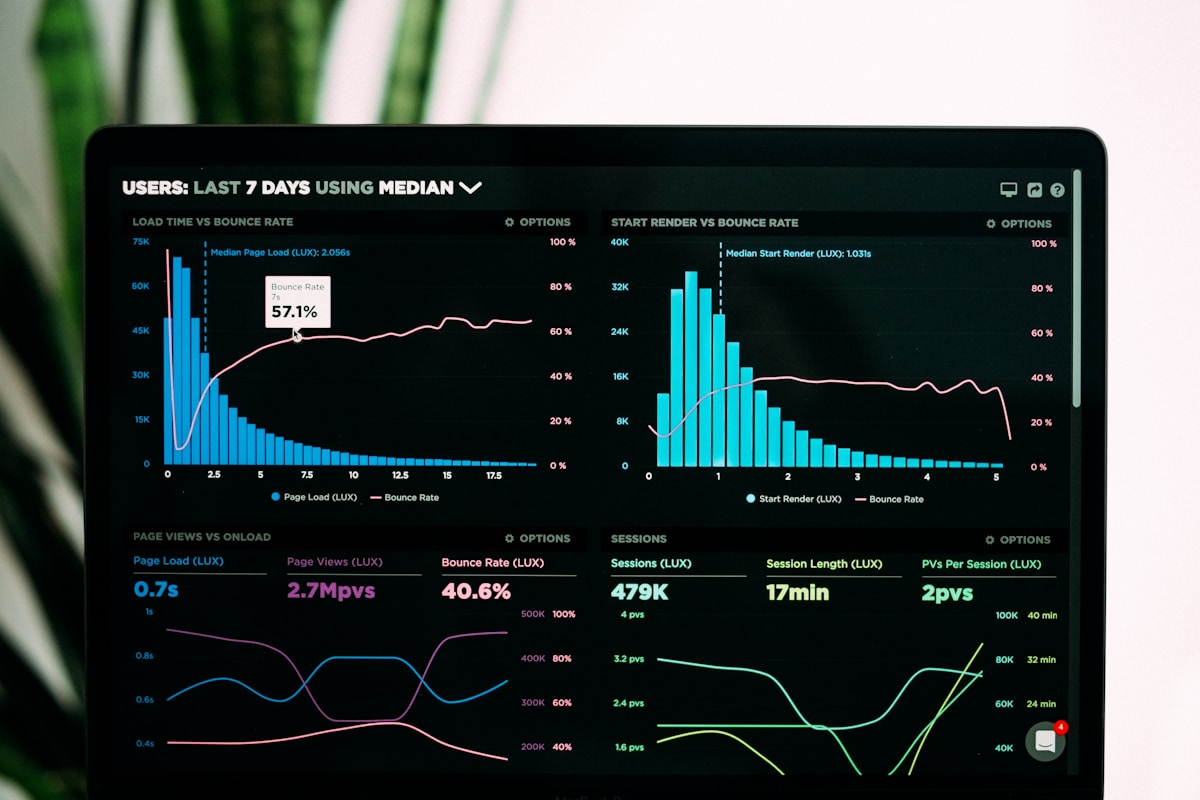
The European interior design market reached €89.4 billion in 2025 and is projected to grow to €102.1 billion by 2029, with a compound annual growth rate of 3.4%. But here's what those numbers actually mean for your business: there's more work than ever, and clients are increasingly willing to work with designers remotely.
The residential segment dominates at 64% of the market, whilst commercial projects account for 36%. For freelance designers like you, this residential dominance is brilliant news — you don't need corporate connections to access the bulk of the opportunity. Your ideal client (a homeowner investing €15,000-€45,000 in their living space) represents the fastest-growing segment of the market.
Where the Money Flows
Germany leads European design spending at €18.2 billion annually, followed by France (€14.7 billion), the UK (€13.9 billion), and Italy (€11.4 billion). Spain contributes €8.1 billion, whilst the Netherlands adds €4.3 billion. Eastern European markets like Romania and Poland are growing at 6-8% annually — nearly double the Western European rate — creating opportunities for designers who can bridge the price-quality gap.
The average project value varies dramatically by country. In Germany, residential projects average €28,000. In France, €32,000. In Romania, €12,000 — but with purchasing power parity, that Romanian project might actually be more profitable when you factor in lower supplier costs and your ability to serve multiple projects simultaneously.
Country-by-Country Design Identity: Understanding Europe's Style Spectrum
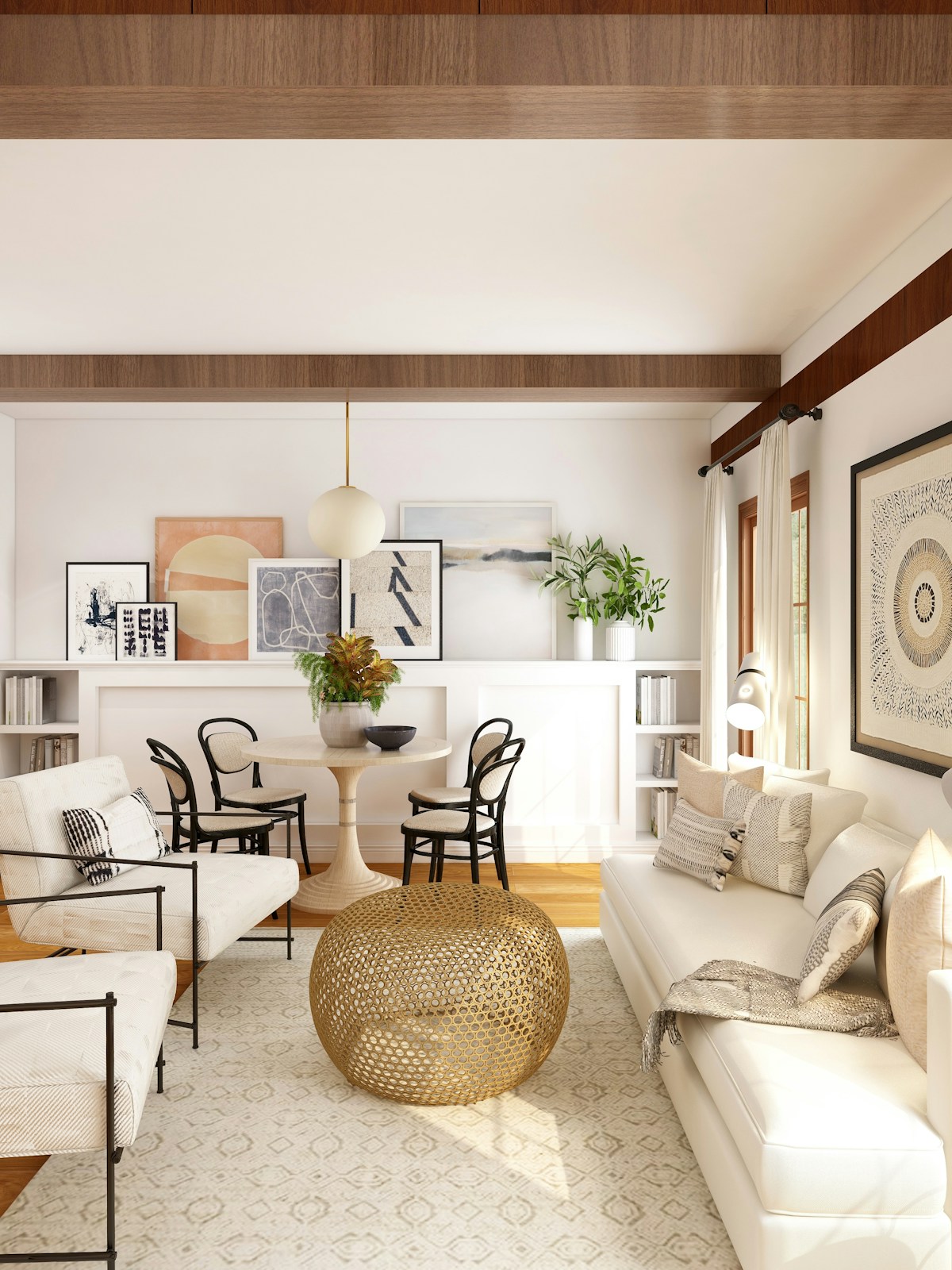
Every European country brings its own design DNA to the table. Understanding these distinctions isn't about stereotypes — it's about speaking your client's visual language and knowing which suppliers, styles, and price points resonate in each market.
Germany: Bauhaus Precision Meets Functional Warmth
German design clients want clean lines, quality engineering, and furniture that lasts twenty years. They'll research every purchase meticulously, expect detailed specifications, and question anything that looks purely decorative. The Bauhaus legacy runs deep here: form follows function, but that doesn't mean cold or minimal.
In 2026, German clients are softening the minimalist edge with warmer woods, textured textiles, and carefully curated colour (think terracotta, sage, warm grey rather than stark white). They shop at XXXLutz for larger pieces, Westwing for curated collections, and increasingly at Maisons du Monde for that touch of French elegance. Budget expectations run high — they'd rather wait and save for the perfect sofa than compromise on quality.
France: L'Art de Vivre in Every Detail
French interior design isn't about following trends — it's about creating a personal sanctuary that reflects culture, history, and joie de vivre. French clients expect designers to understand the interplay of old and new, to respect architectural heritage, and to source pieces with provenance and story.
Parisian apartments demand clever space planning and light maximisation. Provincial homes celebrate rustic materials and regional identity. Colour is never timid — French clients embrace deep blues, rich reds, and dramatic contrasts that would make British or Scandinavian clients nervous. They're loyal to Maisons du Monde for character pieces, visit Leroy Merlin for building materials, and aren't afraid to invest €40,000+ in a complete renovation.
Scandinavia: Democratic Design Meets Radical Sustainability
Swedish, Danish, Norwegian, and Finnish clients share a design philosophy that's gone global: beauty should be accessible, functional, and sustainable. But don't mistake "democratic" for "cheap" — Scandinavian clients will invest heavily in quality pieces that align with their environmental values.
In 2026, Scandinavian design is moving beyond the blonde wood and white walls cliché. Clients want deeper colours, more texture, and designs that acknowledge comfort over pure aesthetics. They're adding curved furniture, layered textiles, and warmer lighting. IKEA remains central (it's a point of national pride, not a budget compromise), but they're mixing in pieces from HAY, Muuto, and local craftspeople.
Romania: The Emerging Market With European Ambitions
Romania represents one of Europe's most exciting design opportunities. The market is growing at 7.2% annually, driven by young professionals investing in their first homes and a burgeoning middle class with European aesthetic aspirations but Eastern European budget realities.
Romanian clients want contemporary style but need solutions that work within €10,000-€15,000 total project budgets. They shop at Dedeman and IKEA for core pieces, increasingly order from European retailers willing to ship east, and value designers who can create high-end looks without high-end price tags. This is where your supplier knowledge becomes currency — knowing which Polish, Czech, or Romanian manufacturers deliver quality at 40-60% of Western prices.
The design identity is still forming. Clients are shedding post-communist aesthetics, embracing Scandinavian and minimalist influences, but gradually adding warmer, more personal touches. They're digital-first (expect mood boards and 3D renders), responsive to social media inspiration, and building homes they plan to live in for decades.
United Kingdom: Eclectic Heritage Meets Modern Pragmatism
British clients love mixing periods, patterns, and provenances in ways that would horrify German purists. A Victorian terrace might feature mid-century furniture, contemporary art, and grandmother's Persian rug — and it works because there's an underlying thread of personal narrative.
Post-2026, British design leans into maximalism as a reaction to pandemic minimalism. Clients want colour, pattern, and rooms that feel collected rather than designed. They shop at IKEA for basics, John Lewis for mid-range quality, and increasingly at online retailers like Wayfair. Sustainability matters, but so does budget — they'll pay extra for British-made or vintage pieces but need affordable solutions for foundational items.
Italy: Where Luxury is a Birthright
Italian clients don't just want good design — they expect exceptional craftsmanship, luxurious materials, and designs that honour Italy's position as the birthplace of Renaissance aesthetics. Even modest projects carry aspirations of elegance and quality.
Northern Italian clients lean contemporary (Milan's influence), whilst Southern clients embrace warmer, more traditional styles. Regardless of region, Italians invest in statement pieces — a Cassina sofa, a Kartell chair, a spectacular light fixture. They attend Salone del Mobile, follow designers like celebrities, and view their homes as expressions of cultural identity. Budget expectations start at €35,000 for residential projects and climb quickly.
Netherlands: Bold, Experimental, and Unapologetically Colourful
Dutch clients embrace design risk in ways that surprise other Europeans. They'll choose a bright yellow kitchen, mix clashing patterns, and trust their designer's more experimental suggestions. Space efficiency matters (Dutch homes are compact), but personality matters more.
Amsterdam drives a progressive, globally-influenced aesthetic, whilst other regions maintain stronger traditional Dutch identity. Clients shop at IKEA (which adapts well to small spaces), HEMA for affordable Dutch design, and specialty boutiques for statement pieces. They expect digital-first service — 3D renders, virtual consultations, and detailed online catalogues are table stakes.
Spain: Mediterranean Warmth Meets Urban Sophistication
Spanish clients want homes that feel sun-soaked, social, and connected to indoor-outdoor living. Even in Madrid or Barcelona apartments without gardens, there's an emphasis on natural light, plant life, and spaces designed for gathering.
Coastal regions embrace lighter, airier aesthetics (whites, blues, natural textures), whilst inland cities favour richer, more dramatic palettes. Spanish clients mix Zara Home (yes, the fashion brand's home line is massive here), Leroy Merlin, and local artisan pieces. They're late adopters of minimalism — Spanish design celebrates abundance, texture, and visual warmth. Project budgets range from €18,000-€35,000 for complete residential redesigns.
The Leading European Furniture Retailers: Your Supplier Landscape

Understanding Europe's retail landscape is essential for serving clients across borders and building supplier relationships that support your business. Here's your comprehensive guide to who sells what, where, and at what price point.
| Retailer | Countries Served | Price Positioning | Style Focus | Designer Value |
| IKEA | All 44 European countries | Budget to mid-range (€50-€1,200 per piece) | Scandinavian modern, functional | Excellent for basics, space-saving solutions, and budget-conscious clients. Delivery/assembly can be challenging cross-border. |
| XXXLutz | Germany, Austria, Switzerland, Eastern Europe | Mid-range to high (€400-€3,500 per piece) | Contemporary European, some traditional | Strong for German clients expecting quality. Good trade programme. Limited in Western Europe beyond German-speaking markets. |
| Westwing | Germany, France, Italy, Spain, Netherlands, Belgium, Austria, Switzerland | Mid to high (€300-€2,800 per piece) | Curated contemporary, some eclectic | Brilliant for designers — curated collections, regular sales, easy returns. Strong online presence. Brand appeals to design-conscious clients. |
| Maisons du Monde | France, Spain, Italy, Belgium, Luxembourg, Switzerland, Germany, Portugal | Mid-range (€200-€1,800 per piece) | French-inspired, eclectic, globally influenced | Perfect for clients wanting European character without luxury prices. Excellent seasonal collections. Some quality inconsistency on lower-priced items. |
| Leroy Merlin | France, Spain, Portugal, Italy, Poland, Romania, Russia | Budget to mid-range (€100-€1,500 per piece) | Practical contemporary | Essential for renovation projects. Strong building materials and DIY focus. Furniture range is functional rather than design-forward. |
| JYSK | Most European countries (strong in Scandinavia, Eastern Europe) | Budget (€80-€800 per piece) | Scandinavian-inspired basics | Excellent for budget-conscious clients in Eastern Europe. Quality acceptable for price point. Limited high-end options. |
| Dedeman | Romania, expanding to Moldova | Budget to mid-range (€60-€900 per piece) | Practical contemporary | Essential for Romanian projects. Local delivery, Romanian customer service. Growing furniture range. Strong in building materials. |
| Wayfair | UK, Germany, France, Spain, Italy, Belgium, Netherlands, Austria, Switzerland, Ireland | Budget to high (€100-€4,000+ per piece) | Every style imaginable | Massive range is both strength and weakness. Good for niche pieces. Delivery times vary. Return policies are designer-friendly. |
| Habitat | UK, France, Spain, Germany | Mid to high (€300-€2,200 per piece) | Contemporary British, globally influenced | Excellent design credibility. Mid-century and contemporary focus. Smaller range than mass-market competitors. |
| La Redoute | France and international shipping to most of Europe | Mid-range (€250-€1,600 per piece) | French contemporary with eclectic touches | Strong online presence. Good for clients wanting French aesthetic outside France. Regular sales and promotions. |
Regional Specialists Worth Knowing
Beyond the pan-European retailers, regional specialists often deliver better quality and more distinctive pieces for the same or slightly higher investment. In Italy, look to Lago, Calligaris, and Bonaldo for contemporary Italian design at accessible prices (€800-€3,500 per piece). In Scandinavia, HAY, Muuto, and &Tradition offer genuine Danish/Norwegian design with the quality to match (€400-€2,800 per piece).
In Eastern Europe, Polish manufacturers like Meble Vox and Czech brands like TON deliver quality that rivals Western European brands at 40-60% of the cost. Romanian manufacturers are emerging — brands like Marelli and Domus increasingly appear in design projects across the region.
Your supplier strategy should vary by client location and budget. For German clients expecting quality, source from XXXLutz, Westwing, or direct from manufacturers. For Romanian clients, mix IKEA basics with Dedeman practical pieces and carefully selected statement items from Westwing or Maisons du Monde. For French clients, Maisons du Monde and La Redoute speak their aesthetic language whilst keeping projects profitable.
[CTA: Inline]
Managing suppliers across Europe feels like herding cats across twelve time zones.

ArcOps centralises your supplier catalogues, pricing, and availability across European retailers — so you can focus on design, not admin. See how interior designers across Europe are cutting sourcing time by 60%.
[Explore ArcOps Features →]
Professional Associations and Events: Your Network in the European Design Community

The European design industry isn't just retailers and clients — it's a professional ecosystem of associations, events, and networks that can accelerate your business if you know how to engage with them.
National Professional Associations
Every major European country has at least one professional association for interior designers and architects. Membership signals credibility to clients and opens doors to trade pricing, industry events, and professional development.
In Germany, the Bund Deutscher Innenarchitekten (BDIA) represents over 5,000 interior architects and designers. Membership requires specific qualifications but offers access to trade events, legal guidance, and a searchable directory that clients actually use. Annual membership runs €420-€680 depending on experience level.
France's Conseil Français des Architectes d'Intérieur (CFAI) serves a similar function, with rigorous entry requirements but strong industry recognition. Membership costs €380 annually and includes access to Maison & Objet trade days and regional networking events.
The UK's British Institute of Interior Design (BIID) is one of Europe's most internationally recognised associations. Even if you're not UK-based, BIID accreditation carries weight with European clients who value British design credentials. Membership starts at £295 annually for affiliates.
In Romania, the Uniunea Națională a Designerilor de Interior (UNDI) is growing rapidly as the Romanian market matures. Membership is more accessible (€120 annually) and offers connections in an emerging market hungry for professional designers.
The Events That Matter
Three European trade events dominate the industry calendar, and attending at least one annually is virtually mandatory if you want to be taken seriously by suppliers, clients, and fellow designers.
Salone del Mobile Milano (Milan Design Week, April) is the world's largest furniture fair and Europe's most important design event. Over 370,000 visitors attend annually, including 70,000+ interior design professionals. It's expensive (trade pass €45-€75, plus Milan accommodation during peak week), overwhelming, and absolutely essential. You'll see next year's trends, meet manufacturers, and return with a camera roll of inspiration that will fuel projects for months.
Maison & Objet Paris (January and September) is more accessible and commercial than Salone. It covers home décor, textiles, and furniture with a strong focus on what's actually selling rather than avant-garde concepts. The January show draws 75,000 visitors; September is smaller but equally valuable. Trade registration is free if you can prove professional status (business registration, portfolio, website).
IMM Cologne (January) is Germany's answer to Milan — more practical, more focused on commercial viability, less about spectacle. If you serve German clients or work in commercial design, IMM Cologne delivers more actionable insights than Salone's artistic excess. Attendance runs around 120,000 professionals.
Regional events like 100% Design London, Stockholm Furniture Fair, and Bucharest Design Week offer lower-cost opportunities to connect with local suppliers and clients whilst building your understanding of regional design movements.
The Reality of European Design Networks
Here's what nobody tells you about professional associations: they're most valuable not for the membership card, but for the informal networks that form around them. The designer you meet at a BIID regional event who works in Belgium becomes your referral partner when a client asks about cross-border projects. The supplier you chat with at Maison & Objet becomes your source for custom textiles at trade pricing.
But these networks have a problem: they're analogue in a digital world. You collect business cards, exchange emails, and then... nothing systematic happens. Most designers have a drawer full of contacts they've never properly leveraged because there's no good system for maintaining European professional relationships across languages, time zones, and project cycles.
Opportunities for Designers: The Digital Tools Gap in Europe

The European interior design market is growing, client budgets are healthy, and cross-border opportunities are expanding. So why do so many talented freelance designers still struggle to build sustainable, profitable practices? Because the digital infrastructure that serves American designers simply doesn't exist for European professionals.
The Cross-Border Opportunity
Let's talk about what's actually possible in 2026. You're based in Bucharest. A German client finds your work on Instagram and wants to hire you for their Munich apartment. The project budget is €32,000. You're thrilled — until you start trying to actually deliver the project.
You need to source furniture from German retailers (XXXLutz doesn't ship to Romania for approval), coordinate with Munich contractors (who expect communication in German), create presentations that work in euros with German pricing, and manage the project across a two-hour time difference and a language barrier.
Most European designers turn down these opportunities because the operational friction is too high. But what if you had systems in place? What if you could access XXXLutz catalogues, price in euros, communicate with contractors through translation tools, and manage the entire project from your Bucharest office as smoothly as a local project?
That's the opportunity. Every language you can work in, every country you can serve, every retailer catalogue you can access multiplies your potential client base and your revenue.
The Digital Tools Gap
American interior designers have had platforms like Mydoma Studio, Design Manager, and Ivy for years — tools built specifically for their market, their retailers, and their workflow. European designers? We make do with generic project management tools, Excel spreadsheets, and prayer.
The problem isn't that European designers are less tech-savvy. It's that nobody's built tools that understand our reality. We work across currencies. We source from different retailers in different countries for different clients. We deal with VAT complications, cross-border shipping challenges, and language barriers on every single project.
A platform built for American designers assumes one currency, one primary language, and integration with American retailers (Wayfair, West Elm, Crate & Barrel). Those assumptions break down completely in Europe. You can't just translate the interface and call it "international."
This is where ArcOps enters the picture. Built specifically for European interior designers, ArcOps understands that your client in Germany shops at different retailers than your client in Romania. It handles multi-currency pricing (euros, pounds, złoty, lei) without requiring currency conversion spreadsheets. It integrates with European retailers — IKEA, Westwing, Maisons du Monde, Dedeman — and lets you build mood boards, quotes, and presentations that match each client's local market.
The vision is simple: eliminate the operational friction that forces European designers to stay local when they could work internationally. Give a Romanian designer the same ease of serving a German client that a Bucharest client currently requires. Let a French designer take on a Dutch project without learning a new supplier ecosystem from scratch.
The Underserved Freelancer Market
Large European design firms have custom systems, dedicated sourcing staff, and established supplier relationships. Solo practitioners and small studios? We're underserved, under-supported, and often drowning in administrative work that steals time from actual design.
You spend 40% of your time on sourcing, pricing, vendor communication, and proposal generation. That's 40% of your working hours that aren't billable and don't generate revenue. If you could reclaim even half that time through better tools and systems, you'd either earn significantly more (taking on more clients) or work significantly less (same income, better lifestyle).
The European freelance designer market is growing faster than the large firm market. Clients increasingly prefer working with individual designers who give them personal attention and distinctive perspectives. But freelancers need infrastructure — and until recently, that infrastructure simply hasn't existed for European professionals.
[CTA: Value]
See exactly how much time you're losing to admin work.
ArcOps includes a time-tracking audit that shows where your hours actually go — and most designers are shocked by the results. The average freelance designer in Europe spends 16 hours per week on non-billable administrative tasks. What would you do with those hours back?
[Try ArcOps Free for 14 Days →]
Key Takeaways
- The European interior design market is worth €89.4 billion and growing at 3.4% annually, with residential projects representing 64% of opportunities.
- Each European country has distinct design DNA — understanding German functionalism vs French elegance vs Romanian emerging market dynamics isn't optional if you want to work cross-border.
- Germany, France, UK, and Italy dominate spending, but Eastern European markets like Romania and Poland are growing twice as fast and offer underserved opportunities.
- Supplier knowledge is competitive advantage — knowing which retailers serve which countries at which price points determines your ability to deliver profitable projects across Europe.
- Professional associations and events (BDIA, BIID, CFAI, Salone del Mobile, Maison & Objet) provide credibility and connections, but are most valuable for informal networks rather than formal membership benefits.
- The digital tools gap is real — European designers lack the infrastructure that American designers take for granted, creating operational friction that limits cross-border work and growth.
- Cross-border opportunities are expanding but require systems and tools that handle multiple currencies, languages, and regional supplier ecosystems.
[CTA: End]
Ready to work smarter across European markets?
ArcOps is the project management and sourcing platform built specifically for European interior designers. Manage clients in multiple countries, access retailer catalogues from IKEA to Maisons du Monde, handle multi-currency pricing, and reclaim the 40% of your time currently lost to administrative work.
Join 1,200+ European designers who've made the switch.
[Start Your Free 14-Day Trial →]
Frequently Asked Questions
Can I work as an interior designer across European borders without special qualifications?
Yes and no. The interior design profession isn't regulated uniformly across Europe — some countries (France, Germany) have stricter professional title protections, whilst others (UK, Romania) allow anyone to call themselves an interior designer. However, you can absolutely serve clients in other countries.
For structural work or projects requiring building permits, you'll need to partner with locally licensed architects or contractors. For decorative projects (furniture selection, colour schemes, styling), you can work freely across borders. Most freelance designers serve international clients through remote consultations and partner with local trades for implementation.
Which European retailers offer trade pricing for interior designers?
Most major European retailers offer trade programmes, but requirements and discounts vary significantly. IKEA Business offers 15-20% discounts but focuses on commercial clients rather than residential designers. Westwing has a designer programme with 20-25% discounts and dedicated account support. Maisons du Monde offers trade discounts of 15-20% after registration.
XXXLutz and regional retailers typically require proof of business registration, portfolio, and VAT number. Discounts range from 15-30% depending on volume. The key is building relationships — trade programmes are increasingly negotiable based on project volume and repeat business.
Is it better to join my national design association or an international one like BIID?
Start with your national association if you primarily serve local clients — it provides local credibility, local networking, and local regulatory guidance. Add an international association like BIID when you're actively pursuing cross-border work or want international recognition that helps with premium client acquisition.
Many successful European designers maintain dual memberships: their national association for day-to-day credibility and community, plus BIID or another international body for cross-border projects and international client appeal. Total annual investment runs €500-€900 for dual membership.
How do I handle VAT and invoicing for clients in different European countries?
This depends on your business structure and location. If you're a sole trader or small business below €10,000 in annual cross-border sales, you generally charge your home country's VAT rate and declare it domestically. Above that threshold, you may need to register for VAT in client countries or use the EU's One Stop Shop (OSS) scheme.
For design services (rather than goods), VAT is typically charged in the client's country using the reverse charge mechanism — you invoice without VAT and the client accounts for it. This gets complex quickly, so consult an accountant familiar with cross-border service provision within the EU. For UK clients post-Brexit, different rules apply.
What's the best way to present pricing to clients in different countries?
Always present pricing in your client's local currency and reference their local retailers wherever possible. A German client needs to see euros and German retailer names; a Romanian client needs lei (or euros) and Romanian suppliers. Don't make clients do mental currency conversion or wonder whether they can actually purchase the items you've specified.
This is where purpose-built tools make a massive difference. Manually maintaining price lists across currencies and retailers is nearly impossible. Platforms like ArcOps automatically handle multi-currency conversion and retailer-specific pricing, so your German client sees XXXLutz prices in euros whilst your Romanian client sees Dedeman prices in lei or euros — without you maintaining separate spreadsheets.
Should I attend Salone del Mobile if I'm a freelance designer on a budget?
Salone del Mobile is expensive but incredibly valuable — budget €1,200-€2,000 for trade pass, accommodation, and travel during Milan Design Week. If that's prohibitive, consider these alternatives: attend Maison & Objet in Paris (generally cheaper and easier to reach), visit IMM Cologne (more commercial and practical), or start with regional events like your national design week.
That said, if you can manage it once every 2-3 years, Salone delivers ROI through inspiration, supplier connections, and trend intelligence that you'll leverage across dozens of projects. Many designers treat it as their annual professional development investment and cut other expenses to make it work.
About ArcOps
ArcOps is the project management and sourcing platform built specifically for European interior designers. We understand your reality: multiple currencies, diverse retailers, cross-border projects, and the operational chaos that comes with building a freelance design practice across European markets.
Our platform integrates with the retailers you actually use (IKEA, Westwing, Maisons du Monde, XXXLutz, Dedeman, and more), handles multi-currency pricing automatically, and gives you the tools to deliver professional presentations, quotes, and project management regardless of where your client is located.
Join 1,200+ European interior designers who've reclaimed an average of 16 hours per week by switching from spreadsheets and generic project management tools to a platform built for their specific needs.
[Start your free 14-day trial — no credit card required →]