

The European Interior Designer's Guide to Product Sourcing: From 50 Browser Tabs to One Platform
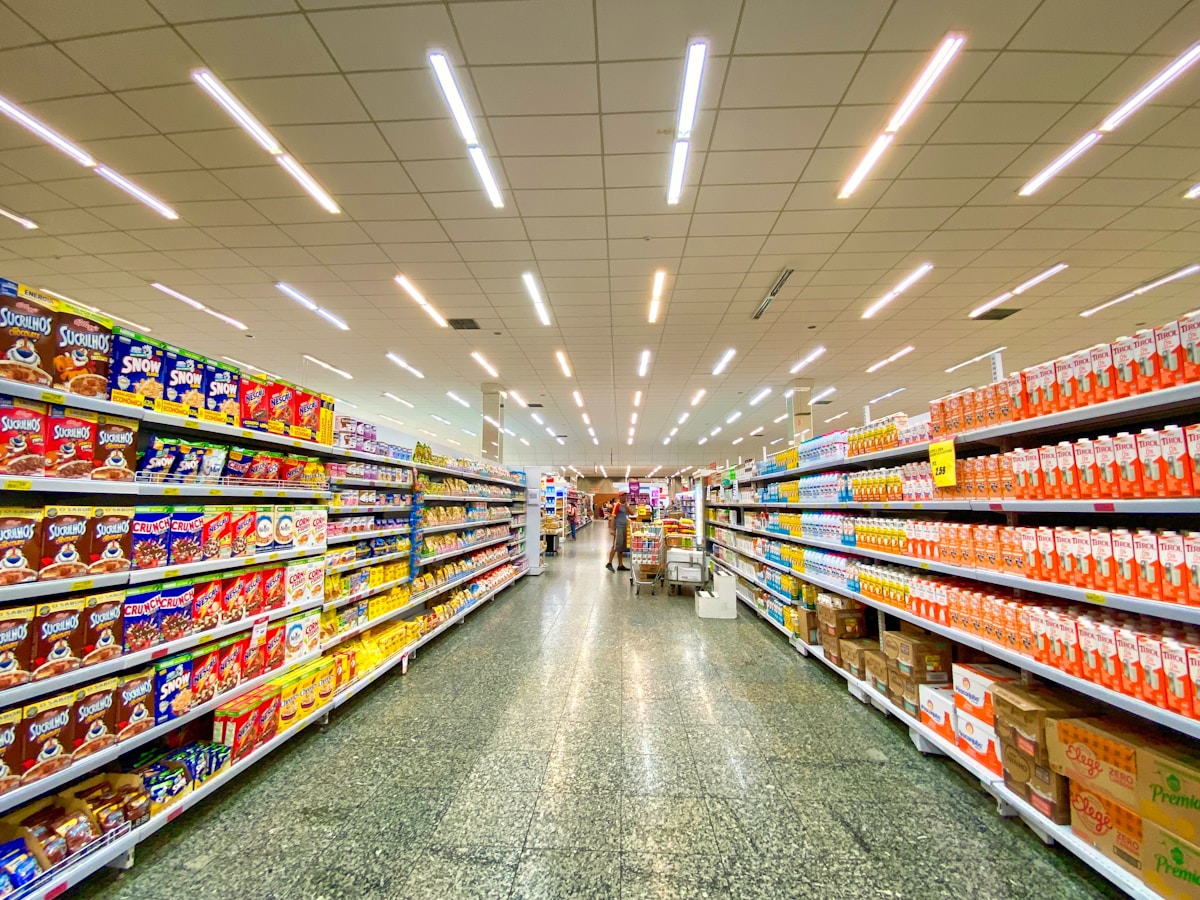
It's 9:47 AM on a Tuesday, and you've already got 50 browser tabs open. IKEA Business in one window, Maisons du Monde in another, Westwing's trade section somewhere in the middle, and at least six tabs from that one German supplier whose checkout page is entirely in German. Your client wants "Scandinavian minimalism with a warm Mediterranean palette" for their Bucharest flat, and you're trying to source a oak dining table, linen curtains, and terracotta accessories across three different price points. The coffee's gone cold, you've lost track of which tab had that perfect sideboard, and you haven't even started on the Italian lighting supplier yet.
This is interior design sourcing in Europe. And if this sounds painfully familiar, you're not alone.
While American designers have the luxury of a relatively unified market with a handful of dominant trade platforms, European interior designers navigate a fragmented landscape of national retailers, language barriers, incompatible shipping zones, and wildly different pricing structures. You're not just sourcing products—you're managing a multi-market operation that would make a logistics coordinator weep.
But here's what nobody tells you in design school: mastering product sourcing is what separates profitable designers from struggling ones. The difference between spending six hours hunting down the perfect armchair and finding it in 20 minutes is the difference between a sustainable business and burnout by year three.
This guide is your roadmap through the European sourcing maze. We'll map the retail landscape country by country, break down why sourcing here is uniquely challenging, walk through an efficient workflow that actually works, and show you how emerging technology is finally catching up to solve this problem.
The European Sourcing Landscape: Your Retailer Map by Country

Let's be brutally honest: there is no single "European" furniture market. What you have instead is a patchwork of national champions, regional players, and cross-border retailers, each with their own trade programs, pricing structures, and shipping limitations.
Here's your country-by-country reference guide to the retailers you need to know. Bookmark this section—you'll come back to it constantly.
Germany: The Powerhouses
Germany dominates European furniture retail with massive players that ship across the continent and mid-tier specialists with exceptional trade programs.
| Retailer | Category Strength | Price Tier | Trade Programme | Ships EU-Wide |
| XXXLutz | Full-range furniture, strong in living & bedroom | Mid to high | Yes (XXXLutz Business) | Yes (selected countries) |
| Home24 | Contemporary furniture, excellent online UX | Mid | Yes (Home24 Trade) | Yes (most EU) |
| Westwing | Curated homeware, strong lifestyle aesthetic | Mid to high | Yes (Westwing Business) | Yes (most EU) |
| Habitat | Modern furniture & accessories | Mid | Limited trade | Yes (selected countries) |
| Wayfair.de | Massive range, mixed quality | Budget to mid | No formal trade | Yes (EU) |
| Made.com | Design-led furniture | Mid to high | No formal trade | Yes (EU) |
| Kavehome | Mediterranean & contemporary | Mid | Contact for trade | Yes (EU) |
What German retailers do well: Efficient logistics, detailed product specifications, reliable lead times, comprehensive online catalogues. Their trade programs typically offer 15-25% discount off retail, and most have English-language interfaces.
The catch: Many require a German VAT number for trade accounts, and customer service response times can be glacial if you're working outside their primary markets.
France: The Style Leaders
French retailers bring unmatched aesthetics and curation, but often at a premium price and with more complex trade terms.
| Retailer | Category Strength | Price Tier | Trade Programme | Ships EU-Wide |
| Maisons du Monde | Eclectic styles, exceptional accessories range | Mid to high | Yes (Maisons du Monde Pro) | Yes (most EU) |
| AM.PM | Contemporary furniture & textiles | Mid | Yes (La Redoute Pro) | Yes (selected countries) |
| La Redoute Intérieurs | French-style furniture & homeware | Mid | Yes (La Redoute Pro) | Yes (most EU) |
| Habitat France | Modern design classics | Mid to high | Limited trade | Yes (selected countries) |
| Alinéa | Full-range furniture, strong in dining | Budget to mid | Yes (contact required) | Limited (FR, BE, LU mainly) |
| Roche Bobois | High-end designer furniture | High to luxury | Yes (trade pricing) | Yes (worldwide) |
What French retailers do well: Unparalleled curation, trend-forward design, beautiful product photography that makes your mood boards sing. Trade discounts typically range from 20-30%.
The catch: Shipping to Eastern Europe can be prohibitively expensive, lead times are often vague ("4-6 weeks" can mean eight), and many have French-only customer service lines. You'll also find that trade account approval can take weeks.
United Kingdom: The Accessible Pragmatists
British retailers strike a balance between style and practicality, with generally excellent e-commerce platforms and straightforward trade programs.
| Retailer | Category Strength | Price Tier | Trade Programme | Ships EU-Wide |
| John Lewis | Full-range, exceptional quality standards | Mid to high | Yes (John Lewis Trade) | Limited post-Brexit |
| Heal's | Contemporary & classic design | High | Yes (Heal's Trade) | Limited post-Brexit |
| Sofa.com | Custom upholstery specialists | Mid to high | Yes (trade pricing) | Yes (most EU, with fees) |
| Dunelm | Budget-friendly full range | Budget to mid | Yes (Dunelm Business) | UK only |
| Loaf | Relaxed contemporary furniture | Mid to high | No formal trade | Yes (EU, with fees) |
| Neptune | High-end kitchen & living furniture | High to luxury | Yes (trade pricing) | Yes (selected countries) |
What British retailers do well: Transparent pricing, excellent product descriptions, reliable customer service in English, detailed care instructions. Trade discounts typically 20-25%.
The catch: Post-Brexit shipping to EU has become significantly more expensive and complex. You'll often face customs delays, additional fees, and VAT complications that weren't issues pre-2021. Many designers have reduced their UK sourcing for EU projects.
Romania: The Local Value Players
Romanian retailers have exploded in quality and range over the past five years, offering exceptional value for local projects and increasingly sophisticated trade programs.
| Retailer | Category Strength | Price Tier | Trade Programme | Ships EU-Wide |
| IKEA Romania | Full-range Scandinavian design | Budget to mid | Yes (IKEA Business) | Via EU IKEA network |
| Dedeman | Building materials & basic furniture | Budget | Limited (B2B pricing) | Romania only |
| JYSK | Scandinavian-style furniture & homeware | Budget to mid | Yes (JYSK Business) | Via EU JYSK network |
| Mobexpert | Full-range furniture, strong local presence | Budget to mid | Yes (contact required) | Limited (RO, MD) |
| Vivre | Contemporary furniture & decor | Mid | Growing trade offering | Romania only |
| Teno | Modern furniture & accessories | Mid | Yes (trade enquiries) | Limited |
What Romanian retailers do well: Competitive pricing for local projects, understanding of Romanian client preferences, quick delivery within Romania, and increasingly professional trade interactions.
The catch: Limited international shipping, smaller product ranges than Western European counterparts, and sometimes inconsistent quality standards. Trade discounts are often negotiable rather than fixed (typically 10-20%).
Netherlands: The Design Innovators
Dutch retailers punch above their weight in contemporary design, sustainability, and online shopping innovation.
| Retailer | Category Strength | Price Tier | Trade Programme | Ships EU-Wide |
| Fonteyn | Outdoor furniture & garden design | Mid to high | Yes (Fonteyn Professional) | Yes (Benelux + DE, FR) |
| Eijerkamp | Full-range contemporary furniture | Mid to high | Yes (trade enquiries) | Yes (Benelux mainly) |
| Zen Lifestyle | Asian-inspired contemporary | Mid to high | Yes (contact required) | Yes (selected countries) |
| Goossens | Custom upholstery & furniture | Mid to high | Yes (trade pricing) | Yes (Benelux + DE) |
| FEST Amsterdam | Modular contemporary design | High | Yes (FEST Trade) | Yes (EU) |
What Dutch retailers do well: Cutting-edge sustainability credentials, modular design systems, excellent digital catalogues, progressive approach to trade partnerships. Discounts typically 20-30%.
The catch: Smaller companies may have limited stock and longer lead times. Many focus primarily on Benelux markets, with EU-wide shipping as a secondary offering.
Italy: The Craftsmanship Specialists
Italian manufacturers and retailers dominate the high-end market, particularly for lighting, kitchens, and upholstery.
| Retailer | Category Strength | Price Tier | Trade Programme | Ships EU-Wide |
| Poltrona Frau | Luxury leather furniture | Luxury | Yes (architect/designer program) | Yes (worldwide) |
| Kartell | Iconic contemporary design | High to luxury | Yes (Kartell Professional) | Yes (worldwide) |
| Artemide | Designer lighting | High to luxury | Yes (trade pricing) | Yes (worldwide) |
| Cassina | High-end contemporary furniture | Luxury | Yes (Cassina Pro) | Yes (worldwide) |
| Calligaris | Contemporary furniture, strong dining | Mid to high | Yes (trade program) | Yes (EU) |
| Natuzzi | Leather upholstery specialists | High | Yes (Natuzzi Trade) | Yes (worldwide) |
What Italian retailers do well: Unmatched craftsmanship, design heritage, statement pieces that anchor entire room schemes. Trade terms are often negotiable and can reach 30-40% for established relationships.
The catch: High minimum orders, long lead times (12-16 weeks is standard), communication primarily in Italian, and premium shipping costs. Many require showroom visits to establish trade accounts.
Spain: The Mediterranean Masters
Spanish retailers excel in outdoor furniture, Mediterranean aesthetics, and increasingly competitive contemporary ranges.
| Retailer | Category Strength | Price Tier | Trade Programme | Ships EU-Wide |
| Kave Home | Mediterranean contemporary | Mid | Yes (Kave Trade) | Yes (EU) |
| La Forma | Contemporary furniture & accessories | Mid | Yes (La Forma Pro) | Yes (EU) |
| Point | Outdoor & garden furniture | Mid to high | Yes (Point Contract) | Yes (EU) |
| Sklum | Budget contemporary & vintage | Budget to mid | Yes (Sklum Pro) | Yes (EU, selected) |
| Muebles La Fábrica | Full-range Spanish-style furniture | Budget to mid | Yes (trade enquiries) | Spain primarily |
What Spanish retailers do well: Exceptional outdoor furniture, warm Mediterranean colour palettes, competitive pricing, and growing English-language support. Trade discounts typically 20-25%.
The catch: Some retailers are still building their EU distribution networks, so shipping to Northern and Eastern Europe can be expensive. Product descriptions sometimes lack detail.
Why Sourcing in Europe Is Harder Than the US (And What That Means for You)

If you've ever read an American interior design blog and felt that twinge of envy at how simple their sourcing seems, you're not imagining it. The European market is fundamentally more complex, and understanding why helps you work smarter, not harder.
Multiple Markets, Multiple Complications
American designers typically work within a single market with consistent shipping costs, one currency, and English-language everything. You're juggling at least 27 markets (if we're counting EU members alone), multiple currencies for non-Eurozone countries, and language barriers that range from mildly inconvenient to project-blocking.
Practical impact: That gorgeous sideboard from a French supplier might cost €890 to buy, €150 to ship to Germany, but €340 to ship to Romania—if they ship there at all. You can't just add "plus shipping" to your quote; you need to research each supplier's shipping matrix for each project location.
No Single Trade Platform
In the US, platforms like Trade by VERANDA, Design Trade, and 1stDibs provide aggregated access to thousands of suppliers with standardised trade terms. Europe has no equivalent. You're instead managing individual trade accounts with dozens of retailers, each with different approval processes, discount structures, and ordering systems.
Practical impact: You'll spend your first year as a designer just building your supplier database and trade account portfolio. Most established European designers have 30-50 active trade accounts and maintain spreadsheets to track which supplier offers what discount and which requires minimum orders.
VAT Nightmares Across Borders
VAT handling in cross-border EU transactions is complex enough to warrant its own accountancy specialism. Some suppliers handle it for you, some require you to manage reverse charge mechanisms, and some simply won't ship cross-border because they can't be bothered with the paperwork.
Practical impact: You need to understand VAT rules not just for sourcing, but for how you invoice clients and whether the furniture ships to them directly or via you. Get this wrong and you'll either eat unexpected costs or overcomplicate your client invoices.
Quality Standards Vary Wildly
While the US market has relatively consistent quality expectations at each price tier, European retailers range from IKEA's engineered precision to small Italian workshops where "handcrafted" might mean "every piece is slightly different." There's no universal quality benchmark, and a €500 chair from one country might be vastly different in build quality from a €500 chair elsewhere.
Practical impact: You can't rely on price alone to gauge quality. You need to physically see products, request samples, and build product knowledge through experience. This learning curve is steep and expensive.
The Shipping Zone Lottery
Europe's geography means shipping costs are wildly inconsistent. A German retailer might offer free shipping to Austria but charge €200 to Portugal. A Romanian supplier might ship affordably within the Balkans but have no Western European distribution at all.
Practical impact: The perfect product at the perfect price might become unviable purely because of shipping costs. You need to factor logistics into product selection from day one, not as an afterthought.
Language Barriers in Critical Moments
When everything's going smoothly, Google Translate and English-language websites work fine. But when things go wrong—damaged delivery, wrong product, delayed order—you're often dealing with customer service teams who speak limited English and work from scripts that don't cover your specific situation.
Practical impact: You need backup plans. This might mean working with local agents, building relationships with English-speaking account managers, or simply accepting that some suppliers are off-limits for complex projects.
The 6-Step Efficient Sourcing Workflow (That Actually Works)

After talking to dozens of European interior designers and refining this through real projects, here's the workflow that separates efficient sourcing from the 50-tab chaos.
Step 1: Build Your Brief-to-Requirements Translation System
Before you open a single browser tab, translate your client's aesthetic brief into concrete sourcing parameters. This means categories, price tiers, style keywords, and functional requirements.
Client says: "We want a calm, natural living room with sustainable materials that doesn't feel too cold or minimalist."
You translate to:
- Categories: Sofa (2.5-3 seater), armchair (x2), coffee table, side table, shelving, lighting (floor + table), textiles (cushions, throw, curtains)
- Price tier: Mid-range (€500-1,500 per major piece)
- Style keywords: Warm minimalism, Japandi, natural materials, organic shapes
- Materials: Oak/walnut wood, linen/cotton fabrics, wool, ceramic, avoid plastic
- Colours: Warm neutrals (cream, beige, warm grey), terracotta accents, sage green
- Functional: Durable fabrics (client has a dog), easy-clean surfaces
Why this matters: Specific parameters let you filter ruthlessly. You're not browsing "sofas"—you're hunting "3-seater linen sofa, oak legs, warm neutral, €800-1,200, ships to Berlin."
Step 2: Deploy Your Retailer Playbook (Don't Start from Scratch)
You should never be starting sourcing with a Google search. You should be consulting your pre-built retailer playbook that maps categories and price tiers to your go-to suppliers.
For the brief above, your playbook might direct you to:
- Sofas/seating: Westwing (for curated selection), Maisons du Monde (for warm aesthetic), IKEA Business (for budget options)
- Wood furniture: Kave Home (contemporary), Habitat (modern classics), local carpenter (custom pieces)
- Lighting: Westwing, Made.com (statement pieces), IKEA (practical basics)
- Textiles: H&M Home, Zara Home, Maisons du Monde (accessories), local fabric supplier (curtains)
How to build your playbook: Start with a simple spreadsheet. After every project, note which retailers delivered well for which categories. Within 6 months, you'll have a personalised map that saves hours per project.
Step 3: Structured Search Sessions (Time-Boxed)
Here's where most designers lose half their day: unstructured browsing. You click into one product, see a "related items" suggestion, fall down a rabbit hole, and emerge 90 minutes later with nothing actually added to your project board.
Instead, work in focused 25-minute sessions per retailer/category:
- Minutes 0-5: Filter by category, price range, material, colour
- Minutes 5-20: Scan results quickly, save anything that's 80% right
- Minutes 20-25: Add saved items to your project board with notes
Critical rule: Don't perfect your selection during search. You're gathering options, not making final decisions. If a sofa is roughly right, save it. You'll refine later.
Use your browser's bookmark folders or a tool like Pinterest boards (one per project, one board per room/category) to save options. Each saved item should include: retailer name, product code, price, lead time (if known), and link.
Step 4: Consolidated Review and Client Presentation
Only after you've completed your structured searches across all relevant retailers do you sit down to refine your selection. Now you're comparing the 6 saved sofas, the 8 coffee tables, and the 12 lighting options.
This is where you make decisions based on:
- Design cohesion: Do items work together?
- Budget distribution: Are you over/under budget in specific categories?
- Practical considerations: Lead times, shipping costs, returns policies
- Sourcing efficiency: Would selecting items from fewer suppliers reduce shipping costs and complexity?
Create your client presentation with 2-3 options per major category. Include: product image, retailer, price (including your markup), lead time, and why you selected it.
Pro tip: Always include one "safe" option, one "bold" option, and one "best value" option for major pieces. This gives clients agency while keeping you in control of the sourcing strategy.
Step 5: Technical Validation Before Ordering
Your client loves the selection. Don't order yet. First, validate the technical details that can make or break a project:
- Exact dimensions: Download spec sheets, don't rely on website measurements
- Lead times: Contact retailers directly for current lead times (website estimates are often outdated)
- Shipping costs and logistics: Get exact quotes for shipping to project address
- Returns policies: Confirm whether returns are possible and at what cost
- Assembly requirements: Check whether professional assembly is included/available
- Material samples: Order samples for major pieces, especially fabrics
Why this matters: You're about to commit your client's money and your professional reputation. Discovering that the sofa won't fit through the doorway or takes 14 weeks instead of 6 after you've ordered is a disaster you can prevent.
Step 6: Order Management and Delivery Coordination
The actual ordering is straightforward if you've done steps 1-5 properly. But delivery coordination is where projects fall apart, especially when you're managing items from 5-8 different suppliers with different lead times.
Create a delivery schedule spreadsheet:
- Supplier name and order reference
- Items ordered
- Expected delivery date (confirmed, not estimated)
- Actual delivery date (update in real-time)
- Delivery location (client address or your storage)
- Installation requirements (assembly, wall-mounting, etc.)
Critical coordination rule: Never schedule final installation until all items have physically arrived and been inspected. Buffer your timeline with at least 2 weeks of contingency for delays.
Communicate delivery windows to clients clearly: "Furniture will arrive between weeks 8-10. We'll schedule installation in week 11 once everything is confirmed delivered."
Building Your Retailer Playbook: Which Shops for Which Categories

One of the most valuable assets you'll develop as a European interior designer is knowing exactly where to look for what. This isn't about memorising every retailer—it's about building a mental (and literal) map that directs your sourcing efficiently.
By Product Category
Different retailers excel at different categories. Here's your category-to-retailer quick reference:
Sofas and Upholstered Seating:
- Mid-range contemporary: Westwing, Made.com, Home24, Kave Home
- Budget-friendly: IKEA, JYSK, Maisons du Monde (sale items)
- High-end/custom: Sofa.com, Poltrona Frau, Natuzzi, Goossens
- Best for variety: Wayfair.de (but quality varies—read reviews)
Dining Furniture:
- Strong full ranges: Maisons du Monde, Calligaris, Habitat, John Lewis
- Budget options: IKEA, JYSK, Alinéa
- Contemporary design: Kave Home, Made.com, FEST Amsterdam
- Custom/high-end: Local craftsmen, Italian manufacturers
Storage and Shelving:
- Modular systems: IKEA (unbeatable for this), String System (via multiple retailers)
- Statement pieces: Westwing, Maisons du Monde, Kartell
- Budget-friendly: JYSK, Dedeman (Romania), Dunelm (UK)
Lighting:
- Designer/statement: Artemide, Kartell, Flos (via retailers), Heal's
- Mid-range contemporary: Westwing, Made.com, Maisons du Monde, Home24
- Budget basics: IKEA, JYSK, Leroy Merlin
- Vintage/unique: Local antique markets, Vinterior (online vintage platform)
Textiles and Soft Furnishings:
- Quality linens: Maisons du Monde, Zara Home, H&M Home, AM.PM
- Budget-friendly: IKEA, JYSK, Dedeman
- High-end: The White Company (UK), Libeco (Belgian linen), local fabric shops
- Custom curtains: Local seamstresses (almost always better value than retail)
Outdoor Furniture:
- Contemporary: Kave Home, Point, Fonteyn, Westwing
- Budget-friendly: IKEA, JYSK, Leroy Merlin, Dedeman
- High-end: Kettal (Spanish brand), Dedon, Gloster
By Price Tier
Understanding which retailers serve which price points helps you shop efficiently within budget.
Budget Tier (€50-300 per item):
- IKEA (consistent quality, excellent for basics)
- JYSK (decent quality, good sales)
- Dedeman (Romania—best for project basics)
- Maisons du Monde sale section (end-of-line gems)
- Sklum (Spain—hit or miss quality, but good prices)
Mid-Range (€300-1,500 per item):
- Maisons du Monde (wide range, good aesthetics)
- Westwing (curated, trend-forward)
- Kave Home (contemporary, good quality-to-price)
- Made.com (design-led)
- Home24 (huge selection)
- Habitat (modern classics)
- La Forma (reliable quality)
High-End (€1,500-5,000 per item):
- Sofa.com (custom upholstery)
- Heal's (quality investment pieces)
- Calligaris (Italian contemporary)
- Roche Bobois (designer furniture)
- Neptune (British luxury)
- Poltrona Frau (Italian leather specialists)
Luxury (€5,000+ per item):
- Cassina (iconic design pieces)
- Kartell (designer collaborations)
- B&B Italia (Italian contemporary luxury)
- Minotti (ultra high-end Italian)
- Poltrona Frau (bespoke pieces)
By Style Direction
Clients don't speak in retailer names—they speak in aesthetics. Here's your style-to-retailer translation:
Scandinavian Minimalism:
- IKEA (obvious but effective)
- Hay (via retailers or Hay shops)
- JYSK (budget Scandi)
- Menu (via stockists)
- Muuto (via stockists)
Warm Minimalism/Japandi:
- Kave Home (nails this aesthetic)
- Westwing (good curation in this style)
- Made.com (contemporary ranges)
- Zara Home (accessories)
- Local artisans (ceramics, textiles)
French/Parisian Chic:
- Maisons du Monde (perfect for this)
- AM.PM (authentic French style)
- La Redoute Intérieurs (classic French)
- Roche Bobois (high-end version)
Mediterranean/Coastal:
- Kave Home (Spanish roots, strong here)
- Maisons du Monde (good range)
- La Forma (Spanish contemporary)
- Zara Home (accessories and textiles)
Industrial/Urban:
- IKEA (budget industrial)
- Made.com (mid-range industrial)
- Maisons du Monde (industrial ranges)
- Home24 (huge selection)
Maximalist/Eclectic:
- Maisons du Monde (best for this)
- Westwing (curated eclectic)
- Anthropologie Home (ships to EU, premium pricing)
- Vintage/antique markets (essential for authentic maximalism)
The Technology Solution: From Manual Browsing to Aggregated Search

Everything we've discussed so far—the retailer maps, the structured workflows, the playbooks—is damage control for a fundamentally broken system. The truth is, European interior designers deserve better than managing 50 browser tabs and maintaining Excel spreadsheets to do their job.
This is the problem that technology needs to solve, and it's the problem that's finally being addressed.
What European Designers Actually Need
Let's be clear about the gap: you don't need another pretty mood board tool or another project management platform with "interior design features." You need aggregated product search across European retailers with real-time pricing, availability, and shipping costs.
Imagine this: You enter "linen sofa, 3-seater, warm neutral, €800-1,200, ships to Prague" into a single search bar. You instantly see results from Westwing, Maisons du Monde, Made.com, Kave Home, Home24, and 15 other retailers—all in one interface, with accurate shipping costs to Prague, current lead times, and your trade discount already applied.
You filter by style, material, colour, dimension, and sustainability credentials. You save products to project boards. You share curated selections with clients. You export shopping lists with total costs including shipping and your markup.
This is not science fiction. This is the baseline functionality that should exist.
Why This Technology Hasn't Existed Until Now
The technical challenges are significant: retailers have different APIs (or no APIs at all), product data is inconsistent, pricing changes constantly, shipping costs are complex to calculate, and trade discount structures vary wildly.
But the bigger challenge has been market fragmentation. No single company has had the incentive to build for the entire European market when they could build for their national market and call it done. American platforms don't understand the European complexity. European retailers don't want to invest in designer tools when they're focused on consumer sales.
The result has been a decade-long gap where European interior designers have been left to cobble together manual solutions for a problem that technology could solve.
The ArcOps Vision: Built for European Designers, by People Who Understand the Problem
This is where ArcOps enters the picture—not as a yet another tool, but as the solution specifically built to solve the European sourcing problem we've spent this entire article dissecting.
ArcOps is being built with a simple premise: European interior designers should be able to source products as efficiently as their American counterparts, with a platform that understands multi-market complexity, language barriers, VAT rules, and the fragmented retailer landscape.
Here's what that means in practice:
Aggregated Search Across European Retailers:
Search once, see results from dozens of retailers. No more manual tab-hopping. The platform handles the complexity of querying different retailer systems, normalising product data, and presenting it in a unified interface.
Real Shipping Costs, Real Lead Times:
Not estimates. Not "contact for quote." Actual shipping costs calculated for your specific project location and current lead times pulled from retailer systems. You can make sourcing decisions based on complete information.
Trade Pricing Built In:
Connect your existing trade accounts or let ArcOps help you establish new ones. See trade pricing automatically applied, so you're never calculating discounts manually or revealing retail prices to clients by accident.
Project-Based Organisation:
Every project gets its own workspace. Save products, build room schemes, track budgets, and manage orders all in one place. Share client presentations directly from the platform. Export procurement lists with one click.
European-First Design:
Multi-currency support, VAT handling assistance, language tools, and shipping zone intelligence. The platform is built for designers working across European markets, not adapted from a US platform that doesn't understand your reality.
What This Means for Your Business
The efficiency gains from aggregated sourcing aren't marginal—they're transformational. The hours you currently spend on manual sourcing can be redirected to design work, client relationships, or actually having a life outside work.
Early feedback from designers testing ArcOps during development shows sourcing time reductions of 60-70% for typical residential projects. That's the difference between spending a full day sourcing a living room and spending 2-3 hours.
But beyond time savings, there's a qualitative shift: you make better sourcing decisions when you can see comprehensive options quickly. You're not settling for "good enough because I'm exhausted from searching." You're selecting the genuinely best product for each requirement because you can actually compare properly.
Where ArcOps Is Now and What's Coming
Full transparency: ArcOps is currently in active development, with a focused beta launching for European interior designers in 2026. The team is working directly with designers across Germany, France, Romania, Netherlands, and the UK to ensure the platform solves real problems, not theoretical ones.
The initial release focuses on furniture and lighting from major European retailers, with trade pricing integration, project management tools, and the aggregated search functionality described above. Future phases will add textiles, accessories, custom product uploads for artisan suppliers, and deeper integration with design tools you already use.
If you're interested in being part of the beta program or want to stay updated on launch timing, you can join the waiting list at arcops.io. The team is particularly interested in feedback from designers who work across multiple European markets and understand the complexity firsthand.
Key Takeaways
- Europe has no unified furniture market—you're navigating 27+ national markets with different retailers, languages, currencies, and shipping zones. Understanding this complexity is the first step to managing it efficiently.
- Build your retailer playbook systematically—map categories, price tiers, and styles to specific retailers based on real project experience. This becomes your most valuable professional asset after your design skills.
- Structure your sourcing workflow—translate briefs to concrete parameters, deploy your playbook, time-box searches, consolidate reviews, validate technically, and coordinate deliveries methodically. Chaos is a choice, not an inevitability.
- Know your retailer strengths by country—German retailers excel at logistics and range, French at curation and style, Italian at craftsmanship and luxury, Spanish at outdoor and Mediterranean aesthetics, and British at transparent trade programs (though post-Brexit complications apply).
- Factor logistics from day one—shipping costs and lead times aren't afterthoughts. The perfect product at the perfect price becomes unviable if it costs €400 to ship or takes 16 weeks to arrive.
- Technology is finally catching up—aggregated sourcing platforms like ArcOps are being built specifically for European designers, promising to collapse hours of manual searching into minutes of intelligent browsing.
- Time spent on sourcing infrastructure is time invested—building your retailer database, establishing trade accounts, creating templates, and learning the landscape feels slow initially but compounds into massive efficiency gains over your career.
Frequently Asked Questions
How many trade accounts should I have as a European interior designer?
Most established European designers maintain 20-30 active trade accounts across retailers and suppliers. Start with 5-8 core retailers that cover your most common categories and price points (typically including IKEA Business, one or two national retailers from your primary market, and 2-3 specialty suppliers). Add accounts strategically as you encounter reliable suppliers through projects. Quality over quantity—it's better to have strong relationships with fewer retailers than superficial accounts with dozens.
Should I source locally or use pan-European retailers for each project?
Use a hybrid approach based on shipping economics and lead times. For major furniture pieces, pan-European retailers like Westwing, Maisons du Monde, or Made.com often provide better value even with shipping costs because their trade pricing is competitive and delivery is reliable. For heavy items (dining tables, large storage), budget projects, or rush timelines, local retailers become more cost-effective. Calculate the total cost including shipping for both options before deciding. Many experienced designers use pan-European suppliers for 60-70% of products and local sources for the remainder.
How do I handle VAT when sourcing across EU borders?
VAT handling depends on your business structure and the delivery destination. If you're VAT-registered and purchasing goods that will be delivered to another EU country, you typically use the reverse charge mechanism (no VAT charged by supplier, you account for it on your VAT return). If goods are delivered directly to your client in another EU country, the supplier may charge their local VAT rate or require you to provide evidence of intra-EU supply. The safest approach for complex projects: consult with an accountant who specialises in cross-border EU commerce and establish clear processes for your most common scenarios. Many designers simplify this by having goods delivered to themselves first (one VAT transaction) then shipping to clients.
What's a realistic markup on sourced furniture for European designers?
Standard markup ranges from 20-35% on top of your trade price, varying by product category, price tier, and market. In Western European markets (DE, FR, NL, UK), 25-30% is typical for mid-range furniture. In Eastern European markets (RO, PL, CZ), designers often work with slightly lower markups (20-25%) to remain competitive with local retail prices. High-end pieces and custom items can command 30-40% markup. Your markup should cover not just your sourcing time but also your expertise in product selection, quality assurance, supplier management, and risk (handling returns, replacements, or issues). For a detailed breakdown, see our European designer markup guide.
How can I compete with clients who want to buy directly from retailers themselves?
You're not competing on price—you're providing value that justifies your markup. Educate clients on what they're paying for: your access to trade pricing (which partially offsets your markup), your expertise in quality assessment and product selection, your ability to coordinate multiple suppliers and ensure delivery timing, your handling of issues and returns, and your design vision that creates cohesion rather than a collection of random items. For clients who insist on buying direct, offer a sourcing list service (flat fee for a curated shopping list with links) or design-only services. Clients who genuinely value design expertise will pay for full-service sourcing; clients who don't value it weren't your ideal clients anyway. Position yourself clearly and the right clients will find you.
Ready to transform your sourcing workflow? Join the ArcOps waiting list to be among the first European designers accessing aggregated product search, trade pricing integration, and project management tools built specifically for the multi-market complexity you navigate daily. Visit arcops.io to learn more.
Looking to master your procurement process beyond sourcing? Read our comprehensive guide on interior design procurement workflow for European projects, covering everything from client onboarding to final installation.
Want to optimise your pricing strategy? Check out our detailed breakdown of markup structures for European interior designers, with country-specific guidance and category recommendations to ensure your business is profitable without pricing yourself out of the market.