

The Interior Design Procurement Process in 7 Steps (With European Logistics Tips)

You've presented the perfect vision to your client—the mood board is flawless, the colour palette is inspired, and every piece tells a story. Then comes the part that keeps you up at night: actually getting all those beautiful items delivered, on time, and within budget. If you've ever felt the panic of a delayed shipment from Italy or discovered hidden customs charges from a UK order, you know that procurement can make or break your project timeline.
The interior design procurement process isn't just about clicking "add to cart" on a few retailers' websites. It's a strategic workflow that spans sourcing, budgeting, ordering, logistics coordination, and profit reconciliation—all whilst navigating the maze of European delivery zones, cross-border shipping times, and retailer-specific policies. For designers working across Spain, France, Germany, or the Netherlands, understanding the logistics layer is as crucial as your eye for design.
This guide walks you through the complete procurement for interior designers in seven clear steps, with a European logistics focus that addresses the real challenges you face. You'll learn how to build a reliable furniture procurement system, avoid common shipping pitfalls, and ensure every project delivers on time and on budget—with your margins intact.
Step 1: Project Brief and Product Requirements

Every successful procurement journey starts long before you open a supplier catalogue. Your project brief is your roadmap, and the clearer it is, the smoother your sourcing will be. Begin by sitting down with your client to define not just aesthetic preferences, but practical constraints: budget caps, delivery deadlines, and any non-negotiables like sustainability certifications or locally-made pieces.
Document everything in a structured requirements list. Note room dimensions, traffic flow patterns, and how each space will be used—a dining chair for a busy family kitchen needs different durability than one for a formal dining room. Create a prioritised product list that separates must-haves from nice-to-haves, so you know where to allocate your budget and where you have flexibility if lead times stretch or prices shift.
Don't forget the logistics questions at this stage. Ask your client about building access—can a large sofa fit through their lift? Are there delivery time restrictions in their apartment block? In historic city centres across Barcelona, Paris, or Amsterdam, narrow staircases and vehicle restrictions can turn a simple delivery into a logistical nightmare. Gathering this information upfront saves you from expensive surprises later.
Step 2: Sourcing and Shortlisting (Searching Across Retailers by Country)

Now comes the detective work. Sourcing across multiple European retailers means navigating different languages, currencies, and product availability by region. You might find the perfect dining table on a German site that doesn't ship to Spain, or discover that a Dutch retailer charges double for delivery to France. This is where your procurement workflow needs structure.
Start by building a database of reliable retailers organised by country and specialty. For contemporary furniture, you might turn to German retailers like Connox or Ambiendo; for Mediterranean styles, Spanish and Italian sources like Kave Home or Artemest; for Scandinavian minimalism, Swedish and Danish suppliers. Keep a spreadsheet tracking each retailer's delivery zones, lead times, and return policies—this reference document will save you hours on every project.
As you shortlist products, don't just screenshot inspiration images. Record the full product details: dimensions, materials, SKU numbers, current pricing, and availability. Note whether each item is in stock or made-to-order, because that four-week lead time can balloon to twelve weeks if you don't catch it early. Cross-reference delivery costs immediately—that €800 sofa becomes far less attractive when you discover it's €300 to ship from Italy to the Netherlands.
This is where a tool like ArcOps transforms your workflow. Instead of juggling twenty browser tabs and three spreadsheets, you can source products from multiple retailers in one interface, compare pricing instantly, and automatically track delivery estimates by country. When you're building a proposal that pulls from six different suppliers across four countries, having your entire product sourcing workflow in one place isn't just convenient—it's essential for accuracy.
Step 3: Client Presentation and Approval (Mood Boards, Product Lists, Pricing)

You've curated the perfect selection—now you need to present it in a way that builds confidence and secures approval. Your client doesn't want a data dump; they want to see their future space come to life whilst understanding exactly what they're investing in. This means combining visual storytelling with transparent, detailed pricing.
Create a polished presentation that starts with the overall vision—mood boards that show how all the pieces work together in their actual space. Use room renders or styled photography that reflects the finished look, not just isolated product shots on white backgrounds. Then break it down room by room, presenting each item with clear descriptions, dimensions, material details, and individual pricing. Transparency here builds trust—clients appreciate seeing exactly where their money goes.
Include delivery timelines in your presentation, especially for European projects where lead times vary dramatically. That handcrafted credenza from a Portuguese atelier might be worth the eight-week wait, but your client needs to know that upfront. Present a realistic project timeline that accounts for the longest lead time in your procurement list, plus buffer time for customs (if ordering from the UK post-Brexit) and installation coordination.
Break down your pricing structure clearly: product costs, delivery fees, your design fee, and your markup on purchased items. Some designers present this as a single project fee; others itemise it. Either way, ensure your client understands what they're approving. Get written sign-off on the full product list and budget before you proceed—this is your protection against scope creep and "I thought that was included" conversations later.
For approval workflows, consider referencing how to get client approval efficiently by structuring your presentations to address concerns proactively and making it easy for clients to give clear yes/no decisions on each element.
Step 4: Budget Confirmation and Markup Calculation

With client approval in hand, it's time to lock down your numbers. This step is where many designers leave money on the table—not because they undervalue their work, but because they don't have a systematic approach to markup calculation that accounts for the real costs and risks of procurement.
Start by calculating your true product cost for each item. This isn't just the retail price—it's the retail price plus delivery, plus any taxes or duties (especially relevant for UK shipments post-Brexit), plus payment processing fees if you're using international credit cards. Add a contingency buffer of 5-10% for price fluctuations, especially on items with long lead times where currency exchange rates might shift or suppliers might increase prices before you order.
Your markup should reflect not just the product cost, but the value you provide in sourcing, quality assurance, logistics coordination, and risk management. Industry standard markups range from 20% to 50% depending on your market position and the complexity of the procurement. For high-logistics projects—those involving multiple international shipments, custom pieces, or tight deadlines—your markup should be at the higher end to reflect the additional coordination work.
Don't forget to account for your time. If you're spending ten hours sourcing a specific vintage rug from Italian dealers or coordinating delivery with five different suppliers, that time has value. Some designers include this in their markup; others charge it separately as a procurement management fee. Choose a model that feels transparent and fair, and apply it consistently.
Tools like ArcOps can automate much of this calculation, instantly showing you your cost basis (product + delivery + fees), applying your preferred markup percentage, and calculating your profit margin in real-time. When you're juggling dozens of products across multiple currencies and delivery zones, having automatic markup calculation eliminates errors and ensures you're consistently profitable. For more on strategic pricing, see our high-margin products guide that explores which product categories offer the best return for your procurement effort.
Step 5: Ordering and Delivery Coordination (EU Logistics, Lead Times by Retailer)

Now comes the orchestration. Ordering from multiple retailers across Europe means managing different order systems, payment methods, delivery schedules, and communication styles—all whilst ensuring everything arrives in the right sequence for installation. This step is where your procurement process either flows smoothly or becomes a frantic game of logistics whack-a-mole.
Place your orders strategically, starting with the longest lead times. If your custom sideboard from a German craftsperson takes twelve weeks but your lighting from a French retailer ships in five days, you don't want those lights sitting in your client's garage for two months. Create a master delivery schedule that maps when each item should arrive based on its lead time, with everything coordinating for installation week.
Confirm delivery addresses carefully, and if possible, arrange for everything to arrive at a single location—either your studio, a storage facility, or the client's home if they have adequate space. For EU deliveries, most major retailers offer tracking, but responsiveness varies. German and Dutch retailers typically have excellent logistics infrastructure; Mediterranean suppliers sometimes require more proactive follow-up. Save all order confirmations and tracking numbers in a centralised document.
Be aware of cross-border delivery nuances within the EU. Whilst goods move freely within the single market, delivery times and costs still vary. A shipment from Berlin to Munich arrives faster than one from Berlin to Lisbon—not because of customs, but because of distance and carrier networks. For UK orders post-Brexit, factor in customs clearance time and potential duty charges, which can add both cost and delays.
Communication is everything during this phase. Send your clients a delivery timeline with expected arrival dates, and keep them updated on any changes. If a piece is delayed, tell them immediately and present solutions—can you source an alternative? Adjust the installation schedule? Proactive communication turns potential crises into managed adjustments that preserve your client's confidence.
European Logistics Considerations
Understanding the logistics landscape across Europe helps you set realistic timelines and avoid surprises:
Standard EU Delivery Zones:
- Zone 1 (same country): 3-7 working days for in-stock items
- Zone 2 (neighbouring EU countries): 7-14 working days
- Zone 3 (cross-continent EU): 14-21 working days
- Made-to-order items: Add 4-12 weeks manufacturing time before shipping begins
Retailer-Specific Patterns:
- German retailers (e.g., Connox, Ikea Germany, Wayfair.de): Reliable 5-7 day delivery within Central Europe; 10-14 days to Spain/Portugal
- Italian suppliers (e.g., Artemest, Mohd, Archiproducts): Often ship within Italy in 7-10 days; 14-21 days to Northern Europe; many artisan pieces are made-to-order
- Scandinavian brands (e.g., Hay, Muuto via retailers): Excellent Nordic logistics; 7-14 days EU-wide for in-stock items
- Spanish retailers (e.g., Kave Home, La Redoute España): 5-10 days within Spain; 10-18 days to Central/Northern Europe
- UK suppliers post-Brexit: 14-28 days including customs; factor in potential VAT and duty charges
Peak Season Delays:
Expect 30-50% longer delivery times during summer holidays (July-August), Christmas season (November-December), and major sales periods when warehouse operations slow down.
Step 6: Installation and Quality Check
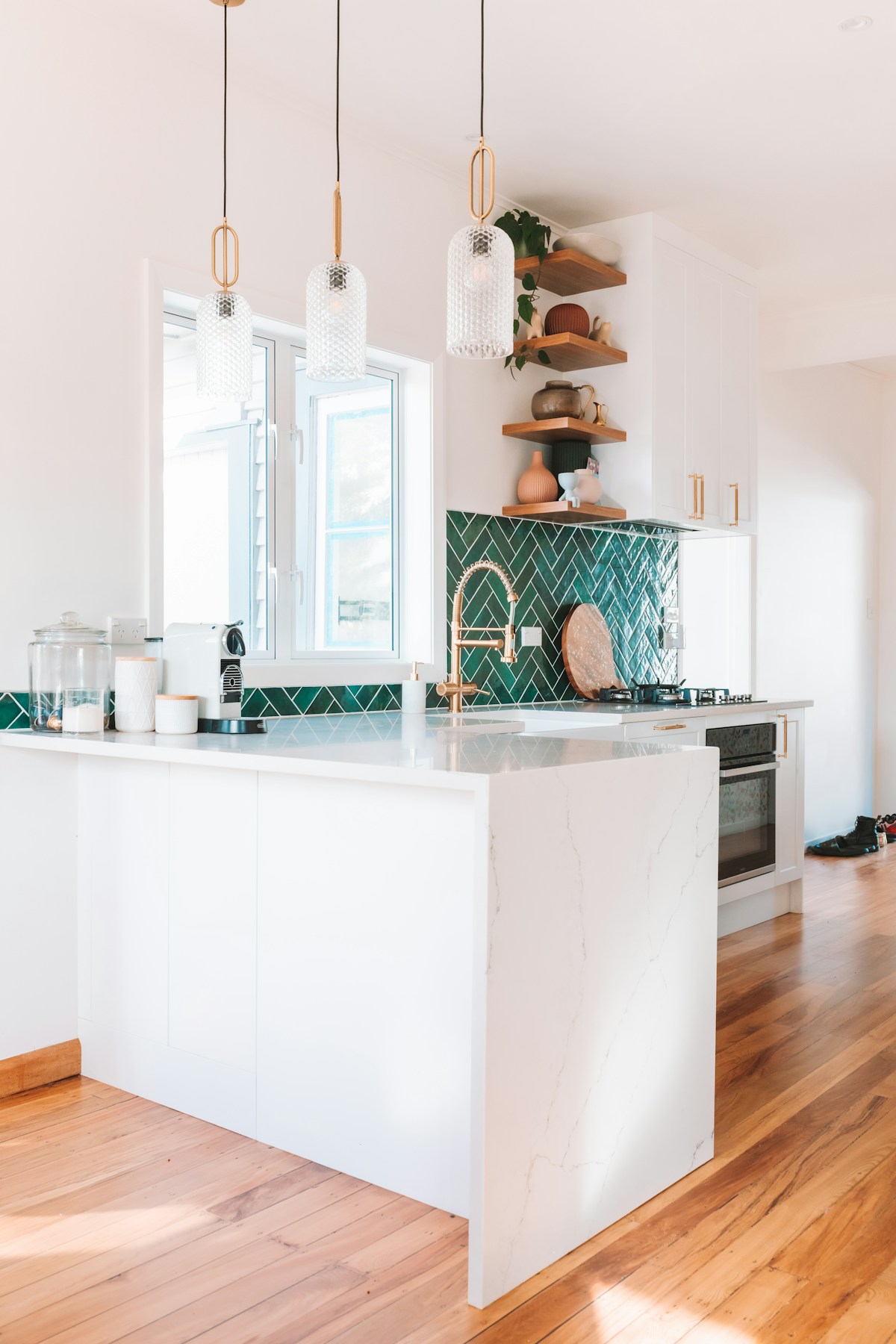
Your items have arrived—now comes the moment of truth. Installation and quality inspection is where your procurement process proves its worth, and where you catch any issues before your client sees them. This step requires organisation, a keen eye, and clear communication with installers or delivery teams.
If you're coordinating installation yourself, create a room-by-room plan before anything arrives. Know exactly where each piece goes, and confirm that you have any necessary tools or additional hands. For larger projects, hire professional installers who are insured and experienced with high-end furnishings—the €200 you spend on expert installation can save you thousands if a clumsy move damages a custom piece.
As each item is unpacked, inspect it thoroughly before the delivery team leaves. Check for damage, verify it matches your order (correct colour, size, finish), and test any mechanical elements like drawer slides or reclining mechanisms. Document everything with photos—this is your evidence trail if you need to file a damage claim or return. Most European retailers offer 14-30 day return windows, but damage must be reported within 48-72 hours of delivery.
For custom or high-value pieces, consider doing a pre-installation inspection at your studio or storage space before delivery to the client's home. This gives you time to address any issues without the pressure of an installation deadline. Quality control is non-negotiable—your reputation depends on every piece arriving perfect, and your client shouldn't be your quality inspector.
Once everything is installed, do a final walkthrough with your client. Show them how to care for each piece, provide any warranty information or care instructions from manufacturers, and address any questions. This is your opportunity to reinforce the value you've provided—not just beautiful design, but seamless execution that made the process effortless for them.
Step 7: Final Accounting and Profit Reconciliation

The project is complete, the client is thrilled, and now it's time to close your books. Final accounting and profit reconciliation ensures you actually earned what you intended and provides data to improve your pricing on future projects. This step is often rushed or skipped entirely, which is why many designers don't have accurate profit margins despite running busy studios.
Gather every invoice, delivery receipt, customs document, and payment confirmation. Create a complete project ledger that lists every expense: product costs, shipping fees, taxes, payment processing charges, storage costs if you rented space, installer fees, and any unexpected costs that arose. Total your actual expenses and compare them to your initial budget—where did you estimate accurately, and where were you off?
Calculate your actual profit: total client payment minus total expenses minus your time (calculated at your hourly rate). This is your real project margin, and it might surprise you. If your margin is lower than expected, analyse why. Did shipping costs exceed your estimates? Did you underestimate procurement time? Were there price increases between quote and order? Understanding where your estimates miss helps you price more accurately next time.
For projects involving markup on purchased goods, reconcile your markup percentage. If you quoted 30% markup but ended up closer to 22% after unexpected shipping costs, that's critical information. Some designers find they're consistently under-pricing logistics, especially for cross-border European orders where delivery fees can be substantial. Adjust your pricing model based on real data, not guesswork.
This is where ArcOps provides particular value in the procurement workflow. Instead of manually reconciling dozens of invoices across multiple currencies and retailers, the platform tracks every cost automatically—product pricing, delivery fees, taxes—and calculates your actual margin in real-time. You can see instantly whether your project hit its profit target, and you have clean data to inform future pricing. For more on managing profitability across projects, our product sourcing guide explores cost-tracking strategies that protect your margins.
Document lessons learned from this project. Which retailers were reliable? Which had unexpected delays? Which product categories had the best margins? Build your procurement intelligence with every project, creating a knowledge base that makes you more efficient and profitable over time.
European Logistics Cheat Sheet
Use this quick reference when planning procurement timelines for European projects:
In-Stock Furniture Delivery Times by Region
Within Germany/Netherlands/Belgium:
- Major retailers (Ikea, Wayfair, home24): 3-7 days
- Boutique retailers: 7-10 days
Germany/Netherlands to France/Spain:
- Standard items: 10-14 days
- Large furniture: 14-21 days
Northern Europe to Mediterranean (or reverse):
- Standard shipping: 14-21 days
- Express options: 7-10 days (premium cost)
UK to EU (post-Brexit):
- Including customs: 14-28 days
- Add VAT and potential duties to cost
Made-to-Order Lead Times
Standard custom furniture:
- German/Dutch workshops: 6-8 weeks + shipping
- Italian artisans: 8-12 weeks + shipping
- Portuguese craftspeople: 10-14 weeks + shipping
Upholstery/soft furnishings:
- European manufacturers: 4-8 weeks + shipping
Lighting (if custom/artisan):
- 6-10 weeks + shipping
Peak Season Adjustments
Add 2-4 weeks to all estimates during:
- Summer holidays (July-August)
- Christmas season (mid-November through December)
- Major sale periods (Black Friday, January sales)
Customs and Import Considerations
Within EU: No customs; VAT already included in retailer pricing
UK to EU: Factor in customs declarations (1-3 day delay) and potential VAT/duty charges based on destination country
Switzerland/Norway: Allow extra time for customs (not EU members)
Key Takeaways
The interior design procurement process in Europe requires mastering both design sourcing and logistics coordination across multiple countries and retailers. Here's what to remember:
Build a structured workflow: From project brief through final accounting, each procurement step needs clear processes and documentation. This consistency protects your margins and reduces errors.
Master European logistics: Delivery times vary dramatically by retailer, country, and season. Always factor in realistic lead times and build buffer periods into your project timeline—especially for cross-border orders.
Track every cost: Your profit depends on knowing your true product cost, including delivery, taxes, and all fees. Maintain detailed records and reconcile every project to improve your pricing accuracy.
Automate where possible: Tools like ArcOps eliminate manual tracking, reduce errors, and give you real-time visibility into costs and margins across multiple retailers and currencies. Your time is better spent designing than reconciling invoices.
Communicate proactively: Keep clients informed at every stage, especially about delivery timelines and any changes. Transparency builds trust and manages expectations effectively.
Learn from every project: Each procurement cycle teaches you which retailers are reliable, which product categories offer best margins, and where your estimates need adjustment. Build this intelligence into your practice.
Frequently Asked Questions
How long should I expect the complete interior design procurement process to take in Europe?
For a typical residential project using in-stock items from European retailers, expect 4-6 weeks from client approval to installation. This includes ordering time (3-5 days), delivery (2-4 weeks depending on cross-border shipping), and installation coordination (1 week). Projects involving made-to-order pieces extend this to 10-16 weeks minimum, as manufacturing alone can take 6-12 weeks before shipping begins. Always add a 2-week buffer for unexpected delays, especially during summer holidays or year-end peak seasons when logistics slow down across Europe.
What markup percentage should I charge on furniture procurement in European markets?
Industry standard markups range from 20% to 50% depending on your market position and project complexity. For straightforward procurement with minimal logistics complexity, 20-30% is typical. For projects requiring extensive sourcing, coordination across multiple international suppliers, or custom pieces with long lead times, 35-50% is appropriate. Your markup should reflect not just product cost but the value you provide in quality assurance, logistics coordination, and risk management. Calculate your markup on your true cost basis—product price plus all delivery fees, taxes, and payment processing charges—not just the retail price.
How can I avoid customs issues when ordering from UK retailers post-Brexit?
Since Brexit, UK-to-EU shipments require customs declarations and may incur VAT and import duties depending on the destination country and product value. To minimise issues, work with UK retailers who offer "delivered duty paid" (DDP) shipping, meaning they handle all customs and include taxes in the quoted price. Always confirm the total landed cost before ordering, including any customs brokerage fees. Factor in an additional 3-7 days for customs clearance beyond standard shipping time. For high-value projects, consider sourcing from EU-based retailers to avoid customs complexity entirely.
Which European retailers have the most reliable delivery for interior design procurement?
German and Dutch retailers generally offer the most reliable logistics infrastructure, with excellent tracking and consistent delivery times. Look for established players like Connox (Germany), Wayfair.de, and Fonq (Netherlands) for contemporary furniture. For artisan and high-end pieces, Italian suppliers like Artemest and Mohd are reliable but require longer lead times. Scandinavian brands distributed through retailers like Finnish Design Shop offer good logistics across Northern Europe. Build relationships with 5-10 trusted retailers across different countries and product categories, tracking their performance on delivery times, product quality, and customer service. Your product sourcing guide should document which retailers excel for which product types and regions.
How do I handle delivery delays that threaten my project timeline?
First, maintain buffer time in your initial timeline—never schedule installation immediately after expected delivery. When a delay occurs, contact the retailer immediately to get a revised delivery estimate and confirmation. Communicate with your client proactively, explaining the situation and presenting solutions: can you source an alternative product with faster delivery? Adjust the installation schedule? Phase the project so completed areas can be used whilst waiting for delayed items? Most clients appreciate transparency and solution-focused communication. For future projects, track which retailers consistently deliver on time and favour them for deadline-sensitive projects. Consider the true cost of unreliable suppliers—a slightly higher product price from a dependable retailer is often worth it for the peace of mind and timeline certainty.
Ready to streamline your procurement workflow? Stop juggling spreadsheets and browser tabs. [Try ArcOps free](https://arcops.com) to source products, track costs, and manage margins across European retailers—all in one platform built for interior designers.
Download our free European Logistics Checklist with delivery time estimates for 50+ major retailers, customs guidelines by country, and a procurement timeline template you can customise for every project.
Join our designer community to share procurement tips, retailer recommendations, and logistics strategies with other European interior designers. Your next project delivery just got easier.