

The Interior Designer's Technology Stack in 2026: Every Tool You Need (and Nothing You Don't)

Meta description: Cut through the noise — here's the exact 6-tool technology stack European interior designers need in 2026, with EUR pricing and no filler recommendations.
You've read the listicles. "47 Must-Have Tools for Interior Designers!" "The Ultimate 2026 Software Guide — 63 Apps Reviewed!" You scrolled through every single one, opened fourteen browser tabs, signed up for three free trials, and still ended Monday morning with your interior designer tools scattered across Pinterest, Google Sheets, WhatsApp, and a half-configured Trello board you'll never finish setting up.
The problem isn't that good tools don't exist. The problem is that nobody tells you which ones to actually use together — and more importantly, which ones to stop paying for. Every listicle is written to include as many affiliate links as possible, not to help you build a coherent workflow. You end up with twelve subscriptions, none of them talking to each other, and a monthly software bill that rivals your rent.
This article is different. We're going to build you a complete interior design technology stack using exactly six categories and no more than seven tools total. Every recommendation comes with EUR pricing, works for European designers, and earns its place by doing one job well. If you're a freelancer, you'll get a stack that costs under EUR 80/month. If you're running a growing studio, we'll show you what to add — and what still isn't worth it.
Why Most "Interior Designer Tools" Lists Are Useless
Every tool roundup you've seen follows the same formula: list every piece of software that's even tangentially related to interior design, write two paragraphs about each, and slap an affiliate disclaimer at the bottom. The result? You're presented with fifty options across overlapping categories and zero guidance on how they fit together.
Here's what those articles never address:
- Overlap kills you. If you're using Trello for project management, Pinterest for sourcing inspiration, Google Sheets for pricing, and WhatsApp for client communication, you're maintaining four separate systems that all contain fragments of the same project information. Every update means touching three tools.
- European designers have different needs. Half the tools recommended in US-focused guides don't support EUR pricing, can't integrate with IKEA or Westwing, and charge in USD — which means your bank takes a conversion fee every month on top of the subscription.
- More tools ≠ more productive. Research consistently shows that context-switching between applications is one of the biggest productivity drains for knowledge workers. Every tool you add to your stack costs you cognitive energy, not just money.
The goal isn't to find the best tool in every category. The goal is to find the fewest tools that cover every category, with minimal overlap and maximum interoperability.
The 6 Categories Every Interior Designer Needs Covered
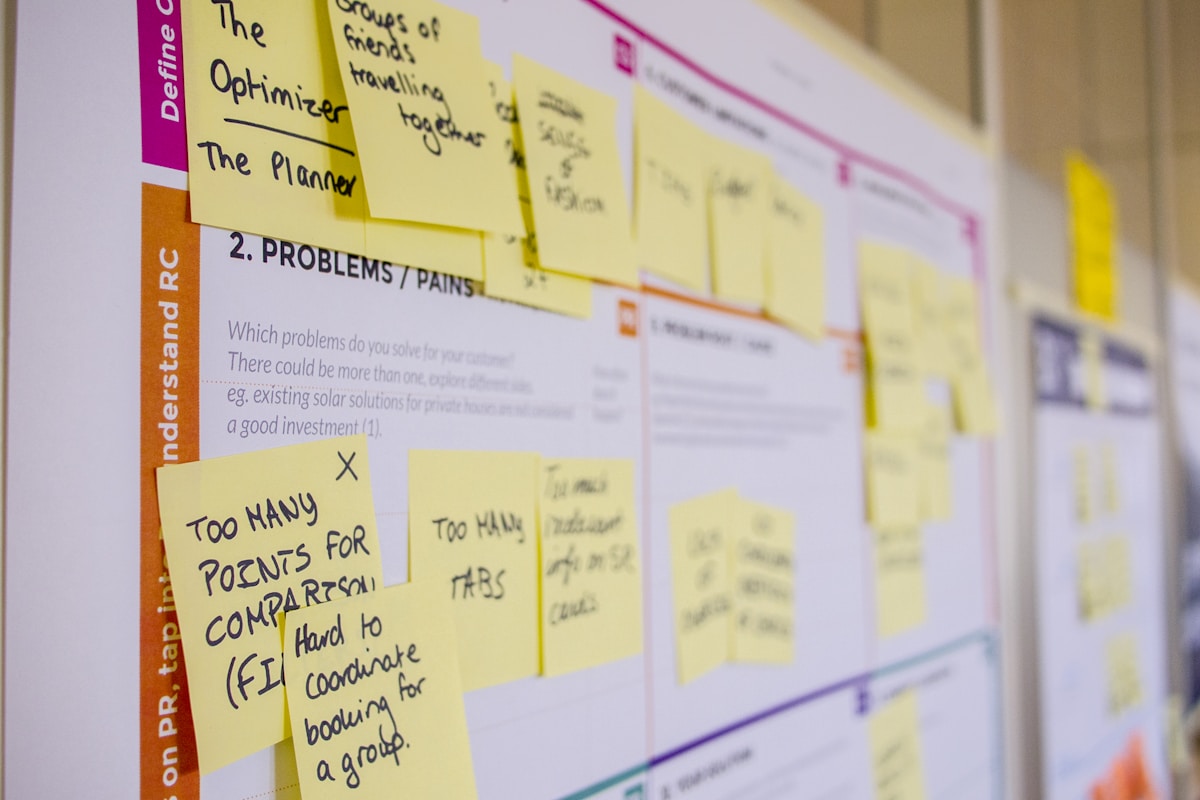
Before we recommend specific tools, let's establish what your technology stack actually needs to do. Every interior design practice — whether you're a solo freelancer in Bucharest or a growing studio in Berlin — has six functional needs:
1. Design and Visualisation (CAD / 3D / Mood Boards)
This is where your creative work lives. Floor plans, 3D renders, material palettes, mood boards. You need software that lets you translate ideas into visuals your clients can understand and approve.
2. Product Sourcing and Project Management
The operational heart of your practice. Searching for products across retailers, building selection boards, tracking orders, managing project timelines, calculating markups. This is where most designers cobble together three or four separate tools — and where the biggest efficiency gains are hiding.
3. Client Communication and Approvals
Your clients need to see your proposals, leave feedback, and approve selections. They need this to be beautiful and effortless — no app downloads, no learning curve, no navigating your internal project boards.
4. Portfolio and Online Presence
How potential clients find you and evaluate your work. Your website, your project gallery, your professional profile.
5. Accounting and Invoicing
Tracking income, sending invoices, managing VAT, keeping your accountant happy. Not glamorous, but non-negotiable.
6. Social Media and Marketing
Instagram, Pinterest, perhaps TikTok — wherever your ideal clients spend their time. You need to post consistently without it becoming a second full-time job.
That's it. Six categories. If a tool doesn't serve one of these six functions, you don't need it. If a single tool covers two or three categories well, even better — that's fewer subscriptions, fewer logins, and fewer places where project information gets lost.
The Recommended Interior Designer Tools Stack for European Freelancers

Here's our curated stack for a solo designer or micro-practice (1-2 people) working primarily in Europe. We've prioritised tools that support EUR pricing, work with European retailers, and respect your budget.
Category 1: Design and Visualisation — SketchUp (Free / EUR 26/month Pro)
For most freelance interior designers, SketchUp remains the best balance of power and accessibility. The free web version handles basic floor plans and 3D modelling. The Pro subscription at EUR 26/month adds LayOut for professional presentations, advanced rendering options, and a massive 3D Warehouse of free models.
If you're doing heavy rendering work, pair it with Enscape (EUR 44/month) or use Chaos Vray. But honestly? Most residential clients don't need photorealistic renders. They need clear, accurate spatial visualisations — and SketchUp delivers those without the learning curve of AutoCAD or the price tag of Vectorworks.
Why not AutoCAD? At EUR 240/month, it's overkill for residential freelance work. The 2D drafting power is unmatched, but you're paying for engineering-grade precision you rarely need.
Category 2: Product Sourcing + Project Management — ArcOps (Free / EUR 19/month Starter)
This is the category where most designers are bleeding time and money. You're currently juggling Pinterest for inspiration, Google Sheets for pricing, Trello or Notion for project tracking, and WhatsApp for sharing selections with clients. That's four tools doing the job of one — and none of them doing it well.
ArcOps is a European-first platform built specifically for this gap. It lets you search products across IKEA, Westwing, JYSK, Maisons du Monde, and 50+ European retailers from a single screen. You build selection boards with real pricing, apply your markup, track profit margins per project, and share everything with clients through a single beautiful link — no app download required.
The stage-based workflow follows how design projects actually move: from concept through material selection, procurement, and installation. You're not configuring Kanban boards or building Notion databases. The structure mirrors the way you already work.
Multi-currency support is native — EUR, RON, GBP — so cross-border projects don't require separate spreadsheets for currency conversions. And at EUR 19/month for the Starter plan (free to start), it costs less than what most designers spend monthly on the combination of tools it replaces.
ArcOps is launching in 2026, and we're building it in close collaboration with European designers. If you want to shape what the platform becomes, now is the time to get involved.
ArcOps replaces: Trello/Notion + Google Sheets + Pinterest (for sourcing) + WhatsApp (for client sharing). That's 3-4 tools consolidated into one purpose-built platform. Join the Waitlist — Free
Category 3: Client Communication — Email + ArcOps Client Links
Here's a controversial take: you probably don't need a separate client communication tool. Most freelance designers overcomplicate this by adding dedicated portals, scheduling apps, and messaging platforms on top of email.
Your clients already use email. They're comfortable with it. What they're not comfortable with is being invited to your Asana board or asked to download yet another app. The friction of "please create an account on this platform to view your mood board" costs you more goodwill than any fancy portal saves in efficiency.
The ideal setup: use email for scheduling, contracts, and general correspondence. Use ArcOps client links for sharing design selections and gathering product-level feedback. Your client clicks one link, sees a beautifully presented selection board, and taps "approved" or leaves a comment. No login, no learning curve, no friction.
If you're handling more than eight concurrent projects and need structured communication threads, consider adding Missive (from EUR 14/month) — it's a team email client that lets you assign conversations and keep client threads organised without leaving email.
Category 4: Portfolio and Online Presence — Squarespace (EUR 11/month)
Your portfolio website needs to do three things: look stunning, load fast, and be easy to update. Squarespace nails all three for interior designers. The templates are designed for visual portfolios, the image handling is excellent, and you don't need a developer to add a new project.
At EUR 11/month for the Personal plan (EUR 17/month for Business with custom CSS), it's affordable and low-maintenance. You'll spend an afternoon setting it up and fifteen minutes each month adding new project photos.
Why not Wix or WordPress? Wix's free tier adds ads and looks unprofessional. WordPress is powerful but requires ongoing maintenance — plugin updates, security patches, hosting management. Unless you enjoy website administration, Squarespace lets you forget about your site and focus on design work.
Category 5: Accounting and Invoicing — Debitoor/SumUp Invoices (Free / EUR 8/month) or Sage (from EUR 9/month)
Your accounting tool depends heavily on which EU country you're registered in, because VAT rules and invoicing requirements vary. For most European freelancers, SumUp Invoices (formerly Debitoor) covers the basics: professional invoices, expense tracking, VAT calculations, and bank reconciliation. The free tier handles up to 5 invoices per month; the paid plan at EUR 8/month is unlimited.
If you're in Germany or Austria, Sage (from EUR 9/month) or SevDesk (from EUR 8.90/month) offer deeper integration with local tax requirements and DATEV exports that your accountant will appreciate.
One critical rule: always have a local accountant, especially in your first year. No software replaces professional tax advice, and the EUR 50-150/month you spend on an accountant saves you from costly compliance mistakes. As we covered in our guide to starting a freelance interior design business in Europe, getting your financial foundations right early prevents headaches later.
Category 6: Social Media — Later (Free / EUR 16.67/month) + Canva (Free / EUR 12.99/month Pro)
You need to post consistently on Instagram and Pinterest. You don't need to spend hours doing it. Later lets you schedule posts in advance, plan your grid visually, and post to multiple platforms from one dashboard. The free plan covers one social profile with 5 posts per month; the Starter plan at EUR 16.67/month gives you one profile with 30 posts — enough for most designers.
Pair it with Canva Pro (EUR 12.99/month) for quick story templates, carousel designs, and resizing your project photos for different platforms. Canva's interior-design-specific templates are genuinely good, and the brand kit feature keeps your colours and fonts consistent.
Skip Hootsuite and Buffer — they're built for social media managers running dozens of accounts, not for a designer posting project updates three times a week. You'd be paying for complexity you'll never use.
The Complete Freelancer Stack at a Glance
Here's your full technology stack with monthly costs:
| Category | Tool | Monthly Cost (EUR) | What It Replaces |
| Design / Visualisation | SketchUp Pro | 26 | AutoCAD, Vectorworks |
| Sourcing + PM | ArcOps Starter | 19 | Trello + Sheets + Pinterest + WhatsApp |
| Client Communication | Email + ArcOps links | 0 | Slack, client portals |
| Portfolio | Squarespace Personal | 11 | WordPress, Wix |
| Accounting | SumUp Invoices | 8 | Excel spreadsheets |
| Social Media | Later Starter + Canva Pro | 30 | Hootsuite, Buffer |
| Total | | EUR 94/month | |
That's six categories, seven tools, under EUR 100/month. Compare that to the typical designer who's paying for Houzz Pro (EUR 59-99/month) plus Canva (EUR 13/month) plus a project management tool (EUR 10-25/month) plus a portfolio site (EUR 11-17/month) plus accounting software (EUR 8-15/month) — often EUR 120-170/month with significant gaps in functionality and no integration between tools.
Want to see how ArcOps fits into your workflow? We're onboarding European designers now for early access. Join 300+ designers already on the waitlist. Reserve My Spot
The Recommended Stack for Growing Studios (3-8 People)

When you're no longer working solo, your technology needs shift. You need team collaboration, shared resources, and visibility across multiple designers' projects. Here's what changes — and what stays the same.
What Stays the Same
Your design software, portfolio site, and social media tools don't need to change. SketchUp Pro supports collaboration, Squarespace works regardless of team size, and Later handles scheduling for one brand whether one person posts or three do.
What Scales Up
ArcOps becomes even more valuable with a team. Shared product libraries mean your junior designer doesn't spend three hours sourcing a dining table you already found last month. Stage-based workflows give you visibility across all active projects — you can see at a glance which projects are in concept, which are in procurement, and which need your attention. Profit tracking aggregates across the studio so Thomas (the studio lead) knows exactly how the business is performing, not just individual projects.
Accounting needs to grow too. At the studio level, move to Xero (from EUR 15/month) or Sage Business Cloud (from EUR 25/month) for proper multi-user access, recurring invoicing, expense management across team members, and robust reporting. Your accountant will thank you.
Communication may need structure now. With multiple designers, client threads, and supplier conversations happening simultaneously, consider Missive (EUR 14/month per user) for shared inboxes, or keep it simple with Google Workspace (EUR 5.75/month per user) if you just need professional email addresses and shared calendars.
The Studio Stack
| Category | Tool | Monthly Cost (EUR, 4 users) | Notes |
| Design / Visualisation | SketchUp Pro | 104 (4 x 26) | Per-user licensing |
| Sourcing + PM | ArcOps (Team plan) | ~49* | Shared product library, multi-project visibility |
| Client Communication | Missive | 56 (4 x 14) | Shared inboxes, conversation assignment |
| Portfolio | Squarespace Business | 17 | One site, multiple contributors |
| Accounting | Xero Growing | 35 | Multi-user, project tracking |
| Social Media | Later Growth + Canva Teams | 60 | Multiple profiles, team access |
| Total | | ~EUR 321/month | |
*ArcOps team pricing is indicative — final pricing will be confirmed at launch.
For a studio running 10-15 concurrent projects billing EUR 10,000-40,000 each, EUR 321/month in software is a rounding error. The real question is how many hours it saves your team weekly. Based on what designers who've tested similar stacks report, consolidating sourcing and project management alone saves 6-10 hours per designer per week. For a four-person studio billing EUR 60/hour, that's EUR 1,440-2,400/week in recovered time. Our honest comparison of interior design software for European designers breaks down the feature-by-feature differences if you want to evaluate alternatives.
What to Cut: Tools You're Probably Paying for but Don't Need

Here's where we save you money. These are the tools and subscriptions that show up on most designers' credit card statements but deliver minimal value relative to their cost.
Pinterest Premium / Pinterest Ads
Pinterest is a fantastic free inspiration tool. The paid features are built for e-commerce businesses and marketers, not for interior designers using it as a visual bookmarking system. You get everything you need from a free Pinterest account. If you're using ArcOps for actual product sourcing, Pinterest becomes purely an inspiration board — and the free version handles that perfectly.
Houzz Pro (if you're not getting leads from it)
At EUR 59-99/month, Houzz Pro only makes sense if the Houzz marketplace is actively generating client leads for you. If you're getting clients through referrals, Instagram, or your own website, you're paying nearly EUR 1,200/year primarily for project management features that purpose-built tools like ArcOps do better and cheaper. As we explored in why generic project management tools fail interior designers, paying for a lead generation platform just to get mediocre PM features is a poor trade.
Separate Mood Board Software
Tools like Morpholio Board or Canva's mood board templates are lovely — but if your sourcing and PM platform (ArcOps) already lets you build visual selection boards with real pricing and one-click client sharing, a standalone mood board tool becomes redundant. You're creating the same visual twice in two different systems.
Premium Project Management Tools (Monday.com, Asana Business, ClickUp)
These are brilliant tools for software teams and marketing agencies. They are terrible tools for interior designers. At EUR 10-24/month per user, you're paying for Gantt charts, sprint planning, and workflow automations designed for industries that think in tasks, not products. Your project management should be built around products, design phases, and client approvals — not abstract task cards.
Multiple Cloud Storage Subscriptions
If you're paying for Dropbox, Google Drive, and iCloud simultaneously, stop. Pick one, move everything there, cancel the others. Google Drive (included with Google Workspace) or iCloud (included with your Apple devices) are usually sufficient for file storage. The EUR 10-20/month you save adds up to EUR 120-240/year.
Key Takeaways
- Your technology stack should have exactly six categories: design/visualisation, sourcing + project management, client communication, portfolio, accounting, and social media. If a tool doesn't fit one of these, you probably don't need it.
- The biggest efficiency gain comes from consolidating sourcing and project management into a single platform built for interior designers. This one change eliminates the Pinterest + Google Sheets + Trello + WhatsApp combination that fragments your project information across four systems.
- A complete European freelancer stack costs under EUR 100/month when you choose focused tools that each do one job well, rather than enterprise platforms with features you'll never touch.
- Growing studios don't need entirely different tools — they need team-capable versions of the same focused stack, plus structured communication and proper accounting software.
- Cut the tools that overlap with your core stack. Separate mood board apps, premium PM tools designed for software teams, and Houzz Pro subscriptions you're not getting leads from are the most common sources of wasted spend for European designers.
- ArcOps is purpose-built for the sourcing + PM category — the one area where European designers have been most underserved. It searches 50+ EU retailers from one screen, tracks profit margins automatically, and shares selections with clients through beautiful links. Free to start, EUR 19/month for Starter.
Ready to simplify your technology stack? ArcOps brings product sourcing, project management, client sharing, and profit tracking into one platform built for European designers. Join 300+ designers already on the waitlist. Get Early Access
Frequently Asked Questions
What are the essential interior designer tools for someone just starting out in Europe?
Start with the minimum viable stack: SketchUp Free (EUR 0) for design, ArcOps Free (EUR 0) for sourcing and project management, your existing email for client communication, a free Squarespace trial or simple Instagram portfolio, and a free SumUp Invoices account. You can run a legitimate freelance practice for under EUR 20/month in software costs. Add paid tiers as your project volume and income justify the investment. Our guide to starting a freelance interior design business in Europe covers the full startup checklist beyond just tools.
How much should I budget monthly for my interior design technology stack?
For a European freelancer earning EUR 25,000-55,000/year, budget EUR 60-100/month for your complete technology stack. That's 1.3-4.8% of your annual revenue — well within the 2-5% that most professional services businesses allocate to software. If you're spending more than EUR 150/month, you almost certainly have overlapping subscriptions or enterprise-tier plans you don't need. Review your subscriptions quarterly and cut anything you haven't used in the past 30 days.
Can I use free tools for everything and avoid paying for software entirely?
Technically, yes — SketchUp Free, ArcOps Free, Gmail, a social media presence as your portfolio, manual invoicing, and organic social posting costs EUR 0/month. But the hidden cost is your time. Free tiers typically mean manual data entry, limited storage, no integrations, and more hours spent on admin. Once you're running three or more concurrent projects, the time you lose to free-tool limitations likely exceeds the EUR 60-80/month that paid tools would cost. Calculate your hourly rate and track how much time you spend on admin work — the maths usually makes paid tools the obvious choice.
Should I use a design-specific tool or an all-in-one platform like Houzz Pro?
It depends on whether Houzz Pro's lead generation marketplace is actively bringing you clients. If yes, the premium is partly justified — you're paying for marketing and project management in one. If you're getting clients through other channels, you're overpaying for PM features that design-specific tools handle better. Our honest software comparison for European designers evaluates this trade-off in detail across eight platforms, including EUR pricing and European retailer support for each.
How often should I review and update my technology stack?
Review quarterly, update annually. Every three months, check which tools you're actually using daily versus which are sitting idle on your subscription list. Once a year — ideally in January — evaluate whether new tools have emerged that better serve your needs or whether your existing tools have added features that eliminate the need for another subscription. The interior design software space is evolving rapidly in 2026, with several European-focused platforms (including ArcOps) entering the market. Staying current doesn't mean chasing every new tool — it means periodically confirming that your stack still serves you well.