

The True Cost of Manual Product Sourcing (And How European Designers Are Solving It)

Meta description: Manual product sourcing costs European interior designers EUR 400-800/month in lost billable time. Learn the real numbers and how sourcing software eliminates the waste.
You already know that product sourcing takes too long. You feel it every time you open IKEA in one tab, Westwing in another, scroll through Maisons du Monde for 40 minutes, and then realise you've lost track of the pendant light you found on JYSK half an hour ago. But here's what you probably haven't done: put a EUR figure on that wasted time.
When you do, the number is uncomfortable. If you're a typical European freelance designer, manual sourcing is quietly draining EUR 400-800 every single month from your business. Not in subscription fees or material costs -- in billable hours you're giving away for free while toggling between browser tabs. And that's before you count the pricing errors, the missed alternatives, and the client frustration that comes from a slow, scattered process.
This article puts interior design sourcing software under the spotlight by first making the real cost of manual sourcing brutally visible, then showing you exactly how product sourcing automation eliminates it. By the end, you'll know your personal "sourcing tax" down to the euro -- and whether the investment in a furniture sourcing platform makes financial sense for your business.
1. A Time Audit: How Many Hours Do You Actually Spend Sourcing Per Project?

Most designers dramatically underestimate their sourcing time. You remember the creative parts -- the thrill of finding the perfect sideboard, the satisfaction of a cohesive palette -- but you forget the dead time. The searching, the comparing, the re-searching when a product goes out of stock, the copying of dimensions into a spreadsheet.
Let's break a typical mid-range European residential project (EUR 10,000-25,000 product budget) into its sourcing components:
| Sourcing Activity | Time Per Project | Frequency | Notes |
| Browsing retailer websites (IKEA, Westwing, JYSK, Maisons du Monde, etc.) | 6-10 hours | Every project | Across 8-15 different sites per project |
| Comparing prices and specifications across retailers | 2-4 hours | Every project | Manual side-by-side in tabs or spreadsheets |
| Creating and updating product spec sheets | 1.5-3 hours | Every project | Copying dimensions, materials, finishes, prices |
| Checking stock availability and lead times | 1-2 hours | Every project | Often requires contacting retailers directly |
| Re-sourcing when products go unavailable | 1-3 hours | ~60% of projects | Happens mid-project, usually at the worst time |
| Preparing client presentation materials | 1.5-2.5 hours | Every project | Screenshots, mood boards, pricing tables |
| Total sourcing time per project | 13-24.5 hours |
If you're running 3-5 concurrent projects (the sweet spot for most freelancers), you're spending roughly 10-18 hours per week on sourcing activities alone. That's 25-45% of a standard work week -- time that could go toward design, client relationships, or simply not working until 9 PM.
The sourcing spiral nobody talks about
There's a psychological cost hidden in those numbers. Manual sourcing is interruptive by nature. You don't sit down and source for four hours straight. You source for 20 minutes, get a client message, switch to another project, come back, lose your place, re-open tabs, re-compare options. Each context switch costs you 10-15 minutes of refocusing time that never shows up in any time tracker.
The result? Your actual sourcing overhead is likely 20-30% higher than what you'd estimate from memory. When designers run a proper time audit (tracking every minute for two weeks), they're almost always shocked.
2. The EUR Cost Calculation: Money You're Leaving on the Table
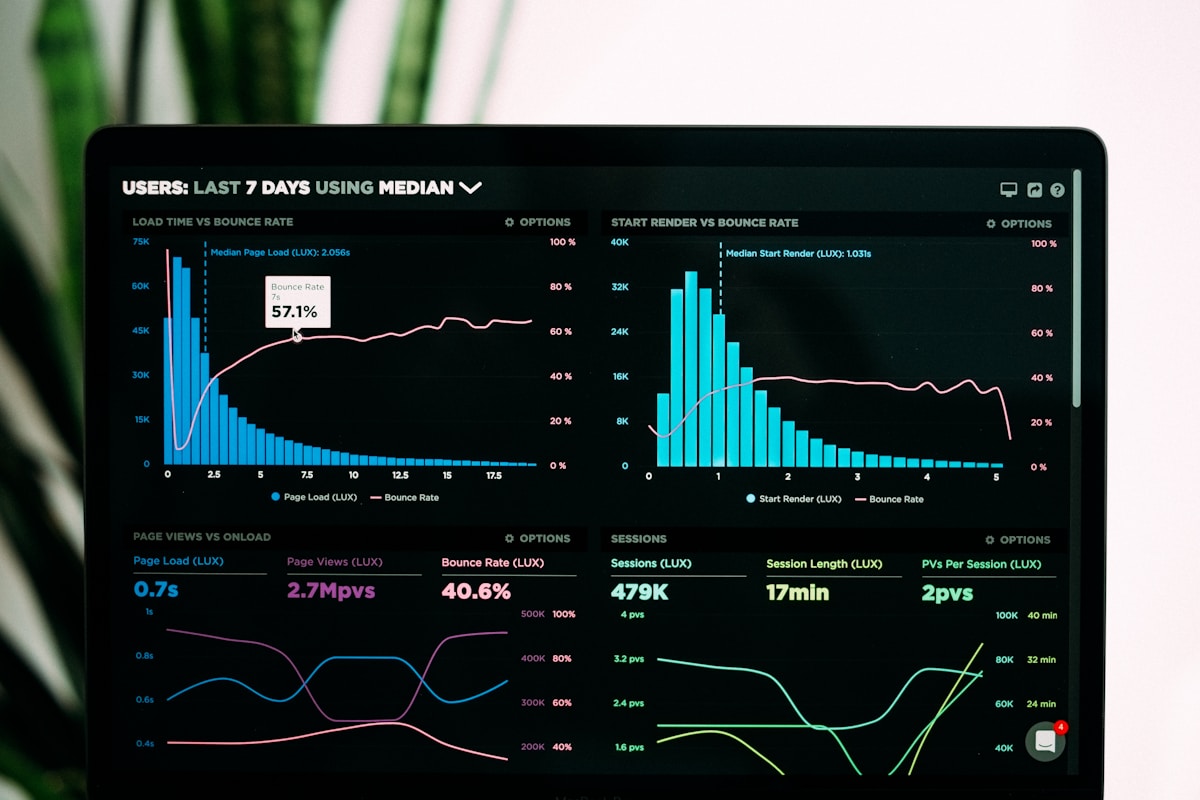
Now let's turn those hours into euros. This is where the abstract "I spend too long sourcing" becomes a concrete business problem.
The formula is simple:
Monthly sourcing cost = Hours spent sourcing per month x Your effective hourly rate
Your effective hourly rate is what you earn (or could earn) per hour of billable design work. For European interior designers, this typically falls between EUR 40 and EUR 100, depending on your market and experience level.
Let's run the numbers for three common scenarios:
| Scenario | Weekly Sourcing Hours | Monthly Sourcing Hours | Hourly Rate | Monthly Cost of Manual Sourcing |
| Junior freelancer (Romania, 3 projects) | 10 hours | 40 hours | EUR 40/hr | EUR 1,600 |
| Mid-career freelancer (Germany/France, 4 projects) | 14 hours | 56 hours | EUR 65/hr | EUR 3,640 |
| Experienced designer (multi-market, 5 projects) | 18 hours | 72 hours | EUR 85/hr | EUR 6,120 |
Read those numbers again. Even in the most conservative scenario, you're losing EUR 1,600 per month -- that's EUR 19,200 per year -- in time that goes to browsing retail websites instead of billable work. For mid-career designers, we're talking EUR 3,000-4,000 per month in lost capacity.
But I don't bill by the hour, you might say
Fair point. Many European designers charge flat fees or cost-plus markup. But the economics are identical. Every hour you spend sourcing is an hour you can't spend on a new project, a new client, or higher-value design work. If you charge EUR 2,500 for a design package that takes you 50 hours, and 20 of those hours go to sourcing, you're effectively earning EUR 50/hour on design work but EUR 0/hour on sourcing.
Even if you never plan to take on additional clients, those sourcing hours have an opportunity cost. They could go toward business development, portfolio building, professional development -- or simply reclaiming your evenings. As we explore in our guide to time management strategies for interior designers, the hours you free up compound into career-shaping advantages over time.
Tired of watching billable hours disappear into browser tabs? ArcOps is building a European-first furniture sourcing platform that lets you search IKEA, Westwing, JYSK, and 50+ retailers from one screen -- so those 10-18 hours of weekly sourcing shrink to 3-5. Join the Waitlist -- Free
3. The Hidden Costs Beyond Time: What Manual Sourcing Is Really Costing You

Lost hours are the visible cost. But manual sourcing creates at least four other profit leaks that are harder to spot and just as damaging.
3.1 Inconsistent Pricing and Missed Savings
When you source manually, you typically check 3-5 retailers for a given product category. But the same dining table -- or a near-identical alternative -- might be available from 15 different European retailers at prices that vary by 20-40%.
You're not comparing enough options because you simply don't have the time. The result? You overpay on products, which either squeezes your markup or inflates your client's budget unnecessarily. Across a full project, this pricing gap can represent EUR 500-1,500 in missed savings.
3.2 Specification Errors in Product Sheets
Manually copying dimensions, materials, and finishes from retailer websites into your spec sheets is tedious work -- and tedious work breeds mistakes. A transposed dimension (writing 180 cm instead of 108 cm) or a missed material detail (failing to note that the "oak" table is actually oak veneer on MDF) can cost you a return, a re-order, or a very difficult client conversation.
Each specification error costs an average of 2-4 hours to resolve (the re-sourcing, the communication, the logistics of returns) plus potential financial loss if the wrong product has already been delivered and installed. Even one error per quarter adds up to 8-16 hours and EUR 200-500 in direct costs annually.
3.3 Missed Alternatives and Design Compromises
Here's a subtle but significant cost: you're settling for "good enough" products because you've run out of energy to keep searching. After two hours of browsing, decision fatigue kicks in and you pick the armchair that's 80% right rather than continuing to search for the one that's perfect.
Over time, this means your design work doesn't fully reflect your creative vision. Clients receive rooms that are competently specified but not brilliantly specified. The difference shows up in your portfolio, your referral rate, and your ability to command premium fees. It's impossible to put a precise EUR figure on this -- but it's real.
3.4 Client Frustration from Slow Turnarounds
Your clients don't see your 50 browser tabs. They see a two-week wait for product options that they expected in three days. When sourcing is slow, the entire project timeline stretches, and clients start to lose confidence.
As we discuss in our complete guide to European product sourcing, the fragmented European retail landscape makes this even worse -- you're not just searching, you're navigating language barriers, shipping zone restrictions, and inconsistent trade pricing structures across multiple countries.
Slow turnarounds lead to scope creep ("While we're waiting, can we also look at..."), stalled decisions, and occasionally lost clients. Even one lost project per year due to slow sourcing is a EUR 5,000-20,000 hit to your revenue.
Summary: The True Cost of Manual Sourcing
| Cost Category | Annual Impact |
| Lost billable time | EUR 4,800-19,200+ |
| Overpaying on products (insufficient price comparison) | EUR 2,000-6,000 |
| Specification errors (re-sourcing, returns, corrections) | EUR 800-2,000 |
| Missed design quality (settling for "good enough") | Hard to quantify -- affects referrals and fee positioning |
| Client frustration / lost projects | EUR 5,000-20,000 (even one lost project) |
| Total estimated annual cost | EUR 12,600-47,200+ |
These numbers aren't theoretical. They're the reality of running a European interior design business on browser tabs and spreadsheets. And they explain why a growing number of designers are looking for a better way.
Your sourcing tax is real -- and it's bigger than you think. ArcOps is building the platform to eliminate it: aggregated search across 50+ European retailers, automatic price comparison, saved product libraries, and one-click spec sheets. Join 300+ designers already on the waitlist. Reserve My Spot
4. How Interior Design Sourcing Software Actually Works

Let's move from the problem to the solution. What does product sourcing automation look like in practice -- and why is it different from just "using a better app"?
A proper furniture sourcing platform doesn't replace your design judgment. It eliminates the mechanical, repetitive work that eats your day so you can focus on the creative decisions that only you can make.
4.1 Aggregated Search Across European Retailers
Instead of opening 8-15 retailer websites separately, you type your search into one interface. The platform queries IKEA, Westwing, JYSK, Maisons du Monde, Kave Home, Made.com, and dozens more simultaneously, returning results in a unified view.
You filter by price range, material, colour, dimensions, style, and shipping destination. A search that used to take 45-60 minutes across multiple tabs now takes 5-10 minutes in one screen.
This is exactly what ArcOps is building -- aggregated search across 50+ European retailers, designed specifically for the multi-market complexity that European designers navigate daily. You search once. You see everything. No more tab chaos.
4.2 Saved Product Libraries That Grow With You
Every product you source gets saved to a personal library that you can tag, categorise, and reuse across projects. Those brass handles you found six months ago? They're in your library, tagged "brass, hardware, mid-range, modern," ready to add to your next project in seconds.
Over time, your library becomes your most valuable business asset -- a curated database of proven products that eliminates repeat sourcing entirely. As we detail in our breakdown of how interior design software saves you 10+ hours every week, product libraries alone can save 1-2 hours per week once established.
4.3 Automatic Price Comparison
When you add a product to a project, the platform shows you whether the same item (or a near-identical alternative) is available from other retailers at a lower price. You don't have to manually check -- the comparison happens automatically.
This feature alone can save you EUR 500-1,500 per project in smarter purchasing, which flows directly to your margin or your client's budget.
4.4 One-Click Spec Sheet Generation
Instead of copying product names, dimensions, materials, and prices from retailer websites into your documents, the platform generates spec sheets automatically from the products in your project board. Accurate data, consistent formatting, zero manual entry errors.
ArcOps is designing this with client-facing sharing in mind -- beautiful links your client can browse without downloading an app or creating a login. Professional presentation without the hours of document assembly.
4.5 Stage-Based Workflow and Profit Tracking
The platform tracks your project through real design stages (brief, concept, material selection, procurement, installation) with automated profit tracking on every product. Your markup is applied consistently, your budget is visible in real time, and you never discover at the end of a project that you forgot to mark up the lighting.
Multi-currency support (EUR, RON, GBP) means cross-border projects don't require manual conversion headaches. ArcOps knows which shops serve which country and handles the complexity for you.
5. The ROI: Platform Subscription Cost vs. Time Savings Value
Now for the question that matters: is the investment worth it?
Let's run a conservative ROI calculation using ArcOps's planned pricing as our benchmark (free to start, Starter plan at EUR 19/month -- roughly 5x cheaper than Houzz Pro's USD 65-249/month plans, which aren't even designed for the European market).
Conservative Time Savings With Interior Design Sourcing Software
Even if a sourcing platform saves you just 50% of your current sourcing time (a conservative estimate -- most designers report 60-70% reductions), here's what that looks like:
| Your Profile | Current Weekly Sourcing | 50% Time Saved | Monthly Hours Saved | Your Hourly Rate | Monthly Value of Saved Time |
| Junior freelancer (3 projects) | 10 hrs/week | 5 hrs/week | 20 hours | EUR 40/hr | EUR 800 |
| Mid-career freelancer (4 projects) | 14 hrs/week | 7 hrs/week | 28 hours | EUR 65/hr | EUR 1,820 |
| Experienced designer (5 projects) | 18 hrs/week | 9 hrs/week | 36 hours | EUR 85/hr | EUR 3,060 |
The ROI Calculation
| Junior | Mid-Career | Experienced | |
| Monthly platform cost (ArcOps Starter) | EUR 19 | EUR 19 | EUR 19 |
| Monthly value of saved time | EUR 800 | EUR 1,820 | EUR 3,060 |
| Monthly net gain | EUR 781 | EUR 1,801 | EUR 3,041 |
| ROI | 4,110% | 9,479% | 15,905% |
the platform pays for itself 42 times over every single month. Add in the hidden cost savings (better pricing, fewer errors, faster client turnarounds), and the real return is even higher.
What about the learning curve?
Fair question. Any new tool requires an adjustment period. But at EUR 19/month, even if your first month delivers zero time savings while you learn the platform, you've "lost" EUR 19. By month two, you're saving EUR 800+. The breakeven point is effectively immediate.
Compare that to Houzz Pro (USD 65-249/month), which many European designers abandon after 2-3 months because it's designed for the American market and doesn't understand European retail ecosystems, VAT complexity, or multi-currency workflows.
Full transparency on ArcOps
ArcOps is launching in 2026. The platform is currently in active development with direct input from European interior designers across Germany, France, Romania, the Netherlands, and the UK. We're not claiming these features exist today -- we're showing you the solution that's being built specifically to solve the problem this article describes.
The initial release will focus on furniture and lighting from major European retailers, with aggregated search, project management, client sharing, and profit tracking. Future phases will expand to textiles, accessories, and custom supplier integrations.
Key Takeaways
- Manual product sourcing costs European interior designers EUR 400-800+ per month in lost billable time -- and that's just the visible cost. Factor in pricing errors, missed savings, and client frustration, and the true annual cost reaches EUR 12,600-47,200.
- A typical mid-range residential project requires 13-24.5 hours of sourcing work, spread across browsing, comparing, spec-sheet creation, availability checking, and re-sourcing when products disappear.
- The hidden costs are just as damaging as lost time: overpaying by 20-40% because you can't compare enough retailers, specification errors that trigger returns and delays, and settling for "good enough" products because search fatigue sets in.
- Interior design sourcing software eliminates the mechanical work -- aggregated search replaces tab-hopping, saved libraries prevent re-sourcing, automatic price comparison catches savings you'd miss, and one-click spec generation kills manual data entry errors.
- The ROI is overwhelming: even at a conservative 50% time savings, a EUR 19/month platform pays for itself 42x over for a junior freelancer and 160x over for an experienced designer.
- ArcOps is building this solution for European designers specifically -- with multi-retailer aggregated search, multi-currency support, stage-based workflows, and pricing that's a fraction of US-focused alternatives. Launching 2026, with 300+ designers already on the waitlist.
Stop paying the sourcing tax. ArcOps gives European interior designers one screen to search 50+ retailers, compare prices automatically, and generate client-ready spec sheets in clicks, not hours. Free to start, EUR 19/month for the Starter plan. Get Early Access
Frequently Asked Questions
How much time does the average interior designer actually spend on product sourcing?
Research and feedback from European designers consistently shows 8-18 hours per week spent on sourcing activities, depending on the number of concurrent projects and the complexity of each. This includes browsing retailer websites, comparing specifications and prices, creating product sheets, checking availability, and re-sourcing when products go out of stock. For a designer running 3-5 projects simultaneously, sourcing typically consumes 25-45% of the working week. Most designers underestimate this number significantly until they run a proper time audit.
Can sourcing software really save time if I work with niche or custom suppliers?
Yes -- and here's why. Even if 30-40% of your sourcing comes from custom manufacturers or small artisan workshops, the remaining 60-70% likely comes from mainstream European retailers where aggregated search delivers massive time savings. You can manually add custom supplier products to your project boards alongside retail items, maintaining one unified view. The time you save on retail sourcing frees you up to spend more time on the artisan relationships that genuinely require personal attention. Most designers find the biggest productivity gain comes from eliminating repetitive retail browsing, not from changing how they work with bespoke suppliers.
Is EUR 19/month really enough, or will I need a more expensive plan?
ArcOps is designed so that the Starter plan at EUR 19/month covers the core needs of a solo freelancer or micro-studio: aggregated retailer search, project boards, client sharing links, basic profit tracking, and a personal product library. For comparison, Houzz Pro starts at USD 65/month and goes up to USD 249/month -- and it's built for the American market with limited European retailer coverage. If you're running a larger studio (5+ team members, 10+ concurrent projects), a higher tier may make sense for team collaboration features. But for Elena running 3-5 projects? The Starter plan is built for you.
What if I'm not ready to switch tools -- can I start small?
Absolutely. You don't need to overhaul your entire workflow on day one. The most effective approach is to start with one project: run your next sourcing session through the platform instead of opening 15 browser tabs. See how the aggregated search compares to your manual process. Save a few products to your library. Share a project board with your client and see their reaction. Most designers who try this approach report noticeable time savings within the first week and full adoption within a month. The free tier lets you experiment with zero financial risk.
How is ArcOps different from Pinterest, Trello, or a spreadsheet?
Pinterest is an inspiration tool -- it helps you collect images but tells you nothing about pricing, availability, dimensions, or where to buy. Trello is a generic project management tool with no understanding of interior design workflows, product data, or client presentation needs. Spreadsheets track data but require manual entry for every single field and break the moment a product goes out of stock. ArcOps is purpose-built for European interior designers: it combines product search, project management, client sharing, and profit tracking in one platform that understands your specific workflow, your specific retailers, and your specific multi-market challenges. It's the difference between assembling a solution from five generic tools and using one tool designed for exactly what you do.