

Room Concept Costs in 2026: Complete Pricing Guide for Every Budget
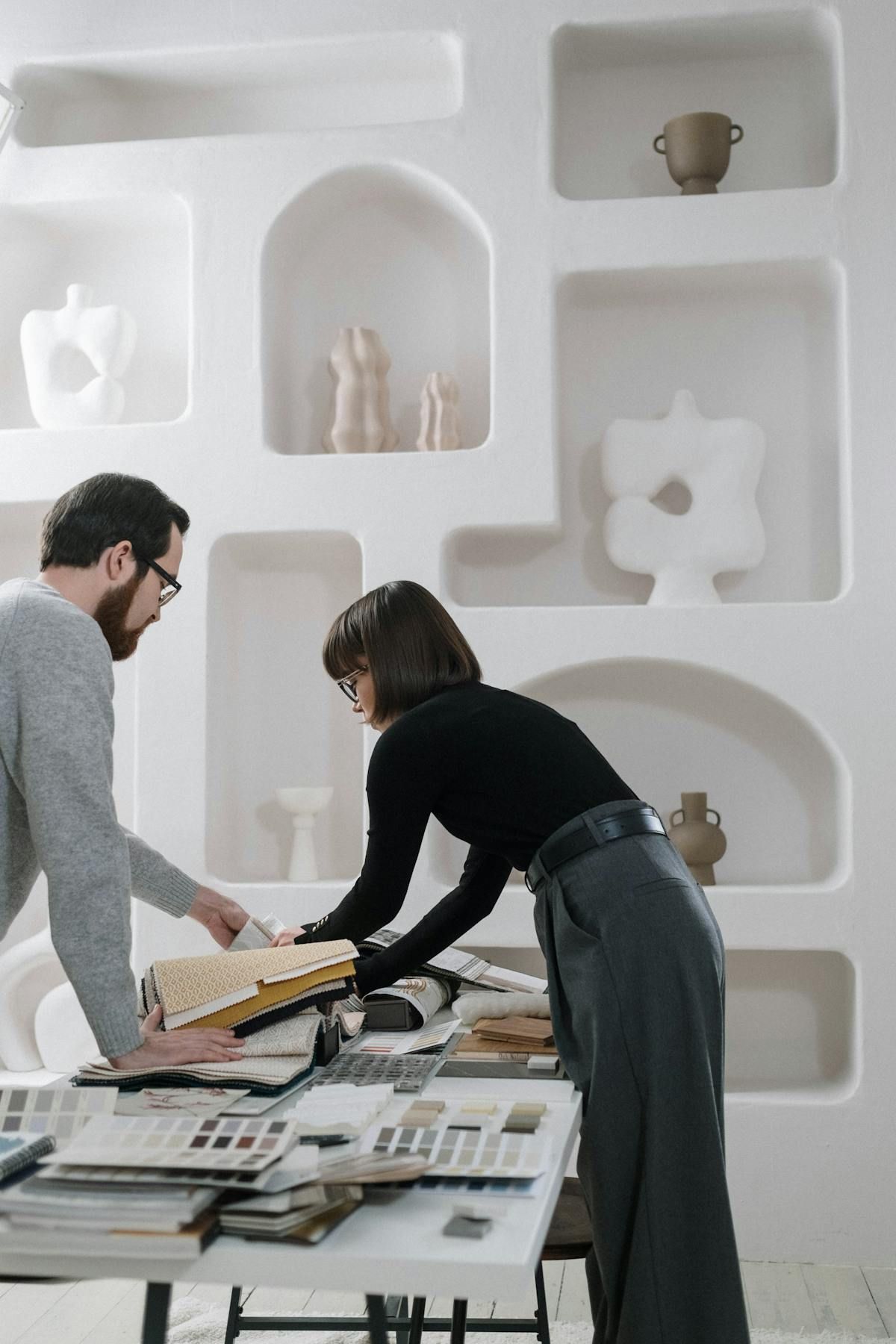
You have just finished a three-hour consultation with a new client in Munich. The moodboard is pinned, the measurements are sketched, and the brief is crystal clear. Then comes the question you dread: "So... how much is this going to cost me?"
If you are a freelance interior designer, you have heard this question hundreds of times. If you are a client considering your first professional room concept, you have probably typed "room concept cost" into Google at least twice this week. Either way, you are in the right place.
This guide breaks down every pricing model used by European interior designers in 2026, from hourly rates in Berlin to flat-fee packages in Bucharest. You will learn what drives costs up (and down), which hidden fees to watch for, and how to get the best value — whether you are hiring a designer or setting your own rates.
The 4 Pricing Models for Room Concept Services
There is no single "correct" way to price a room concept. Across Europe, designers use four main models — and many combine two or more depending on the project scope.
Hourly Rate
The most transparent model, and still the most common for initial consultations and smaller projects.
- Established freelancers (3-7 years experience): EUR 85-150 per hour
- Senior designers in prime locations (Munich, Milan, Paris, London): EUR 130-220 per hour
- Emerging market designers (Bucharest, Warsaw, Lisbon): EUR 45-95 per hour
- Online-only consultations: EUR 60-120 per hour (lower overhead, broader reach)
The hourly model works well when the scope is unpredictable — renovation projects with unknown structural issues, clients who change direction frequently, or spaces that need extensive problem-solving before any design work begins.
When it makes sense for clients: Short consultations, second opinions, or when you want to control spending tightly.
When it makes sense for designers: Complex projects where scope creep is likely, or when you are still building your portfolio and need flexibility.
Flat Fee Per Room
Increasingly popular across Europe, especially for residential projects where the scope is well-defined from the start.
- Basic room concept (moodboard + colour palette + furniture layout): EUR 500-1,500 per room
- Standard room concept (basic + detailed product selection + sourcing list): EUR 650-1,500 per room
- Premium room concept (standard + 3D visualisation + material samples): EUR 1,000-2,500 per room
- Luxury/bespoke room concept (custom furniture design, artisan sourcing, full project management): EUR 2,500-5,000+ per room
A designer in Lyon working through Maisons du Monde and La Redoute for a living room might quote EUR 900 flat. The same brief in Milan, with sourcing from Kartell and B&B Italia, could easily reach EUR 2,200 — not because the designer is "more expensive," but because the product curation and supplier relationships in the luxury segment demand significantly more time.
When it makes sense for clients: You know exactly which rooms you want designed, and you prefer predictable budgets.
When it makes sense for designers: Repeatable project types where you have refined your process and can estimate time accurately.
Percentage of Construction Budget (HOAI Model)
Common in Germany, Austria, and Switzerland — and increasingly adopted across the EU for larger renovation and new-build projects.
- Typical range: 10-20% of the total construction or furnishing budget
- Example: A EUR 30,000 living room renovation at 12% = EUR 3,600 design fee
- HOAI reference: In Germany, the Honorarordnung fur Architekten und Ingenieure (HOAI) provides formal fee tables, though they became non-binding guidelines after 2021
This model aligns the designer's fee with the project's ambition. A EUR 8,000 bedroom refresh costs less to design than a EUR 50,000 open-plan kitchen-living transformation — and the percentage model reflects that difference naturally.
When it makes sense for clients: Large renovation projects where design complexity scales with budget.
When it makes sense for designers: High-value projects where flat fees would undervalue your expertise. Particularly common for Lena in the DACH market, where clients expect HOAI-aligned proposals.
Online Consultation Packages
The fastest-growing pricing model in European interior design, accelerated by the post-pandemic shift to remote services.
- Quick-start package (60-min video call + moodboard + shopping list): EUR 99-250
- Full room package (questionnaire + 2D layout + curated product list + 2 revision rounds): EUR 300-500
- Premium online package (everything above + 3D render + sourcing from multiple retailers): EUR 500-700
Designers like Elena in Bucharest are finding that online packages let them serve clients across borders — a German client who would never fly a designer from Romania can easily book a EUR 350 online room concept and get expert curation of products from IKEA.de, XXXLutz, and Westwing.
When it makes sense for clients: Budget-conscious projects, rental apartments, or when you want professional input without full-service commitment.
When it makes sense for designers: Scalable income stream, cross-border client acquisition, and a way to fill gaps between larger projects.
Initial Consultations: What to Expect
Before committing to a full room concept, most designers offer an initial consultation — and this is where pricing confusion often starts.
- Free discovery call (15-30 minutes): Increasingly common, especially among designers building their client base. This is a chemistry check, not a design session.
- Paid initial consultation (2-3 hours, on-site): EUR 180-500 depending on location and designer experience
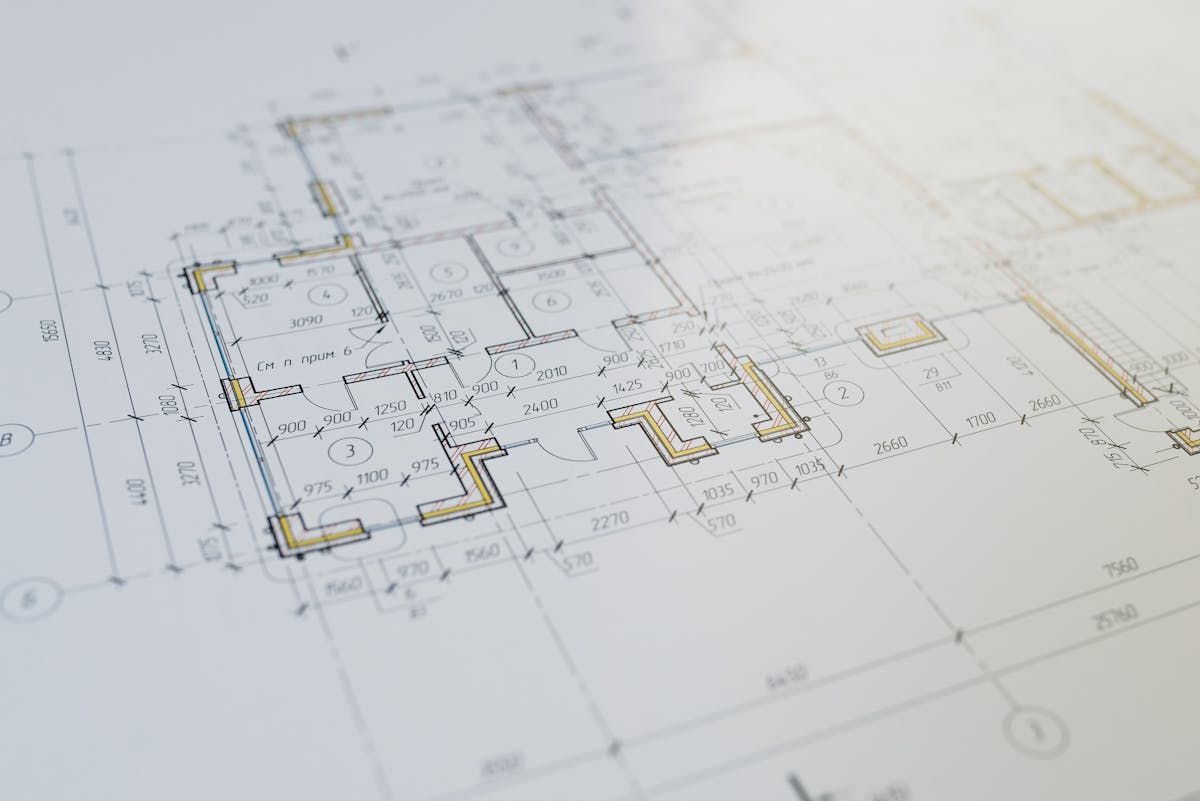
- What is included: Site visit, measurements, discussion of needs and style preferences, rough budget indication, and a proposal for next steps
- What is NOT included: Actual design work, moodboards, product sourcing, or 3D visualisation
Some designers in competitive markets like Stockholm, Amsterdam, and Barcelona offer the first consultation free but require it on-site at their studio rather than at the client's home — reducing their time investment while still building the relationship.
Pro tip for clients: Always ask what the initial consultation includes before booking. "Consultation" means very different things to different designers.
Pro tip for designers: If you offer free consultations, set a strict time limit and have a clear scope document ready. Your time is worth EUR 100+ per hour — do not give away three hours of problem-solving for free.
Struggling to track which consultation leads convert into full projects? [ArcOps](https://arcops.studio) is building project management tools specifically for European interior designers — including lead tracking and proposal management. [Join the waitlist to get early access.](https://arcops.studio)
The Hidden Costs Nobody Mentions
The quoted fee for a room concept is rarely the final number. Here are the additional costs that catch both clients and designers off guard.
Travel Expenses
- Standard rate across Europe: EUR 0.50-1.00 per kilometre (round trip)
- Parking and tolls: Usually charged at cost
- Cross-border travel: Some designers add a per-diem rate for projects in other countries
- Example: A designer based in Krakow visiting a client 40km outside the city adds EUR 40-80 to the invoice for travel alone
Revision Rounds
- Typically included: 1-2 revision rounds in flat-fee packages
- Additional revisions: EUR 50-150 per round, or billed hourly
- "Just one small change": The most dangerous phrase in interior design. What starts as moving one armchair often becomes redesigning the entire seating arrangement.
3D Visualisation Surcharges
- Basic 3D render (single perspective): EUR 150-400 per room
- Photorealistic render (multiple angles, accurate lighting): EUR 400-800 per room
- Virtual walkthrough: EUR 800-1,500+
- Important: Many flat-fee packages do NOT include 3D visualisation. Always check what "room concept" actually covers.
Material Sample Sourcing Fees
- Fabric and material samples: EUR 20-80 per set (often non-refundable)
- Custom sample boards: EUR 50-150 for a curated physical moodboard
- Shipping costs for cross-border samples: EUR 15-40 per order when sourcing from retailers in other EU countries
Project Management and Procurement
- Order coordination: 10-15% of total product cost (if the designer handles purchasing)
- Delivery coordination: EUR 50-200 per delivery day
- Installation supervision: EUR 80-180 per hour (on-site)
The bottom line: A EUR 1,200 flat-fee room concept can easily become EUR 1,800-2,200 once you add 3D renders, two extra revision rounds, and material samples. Transparency is everything — both for clients budgeting the project and designers protecting their margins.
Regional Price Differences Across Europe
Pricing varies dramatically depending on where the designer is based and where the project is located.
Prime Markets (Highest Rates)
- Munich, Hamburg, Berlin: EUR 130-220/hr. The German market expects HOAI-aligned pricing, sustainability documentation, and meticulous specification sheets. Designers like Lena at BDIA events report that clients in Munich increasingly ask for carbon footprint calculations alongside colour palettes.
- Milan, Florence: EUR 120-200/hr. The "Made in Italy" premium applies to design services too. Sourcing from Kartell, Poliform, and B&B Italia adds cachet — and the time investment to manage artisan relationships justifies higher fees.
- Paris, Lyon: EUR 110-190/hr. French clients expect impeccable visual presentations (Camille's world). The investment in tools like 3D rendering and high-quality moodboards is non-negotiable.
- London, Edinburgh: GBP 100-180/hr (approximately EUR 115-210). Post-Brexit sourcing friction from EU suppliers adds complexity and justifies higher fees for cross-border procurement.
Mid-Range Markets
- Stockholm, Copenhagen, Helsinki: EUR 100-170/hr. Nordic clients expect sustainability as a baseline — not an upsell. Sourcing from HAY, Muuto, and Ferm Living is standard.
- Amsterdam, Rotterdam: EUR 90-160/hr. Space-efficient design for narrow canal houses requires specialist skills that command a premium.
- Madrid, Barcelona, Valencia: EUR 70-130/hr. A growing market driven by tourism and Airbnb renovations. Marta sources from Kave Home and Zara Home for projects where budgets are tight but style expectations are high.
Emerging Markets (Most Competitive Rates)
- Bucharest, Cluj, Timisoara: EUR 45-95/hr. Romania's interior design market is modernising fast. Elena serves cross-border clients in Germany and Austria at rates 40-60% below Munich prices — while delivering comparable quality.
- Warsaw, Krakow, Wroclaw: EUR 40-90/hr. Similar dynamics to Romania. Katarzyna juggles PLN and EUR pricing for local and cross-border projects respectively.
- Lisbon, Porto: EUR 50-100/hr. Growing expat demand is pushing rates upward, especially in renovation-heavy historic neighbourhoods.
Key insight: These regional differences create opportunities. A client in Munich can get a full room concept from a talented designer in Bucharest for EUR 500-800 — the same service that would cost EUR 1,500-2,500 locally. Cross-border online consultations are making this market arbitrage increasingly common.
Managing projects across multiple countries and currencies? [ArcOps](https://arcops.studio) supports EUR, RON, and GBP with built-in profit tracking per product and per project — so you always know your actual margins, no matter where your clients are. [Reserve your free founding member spot.](https://arcops.studio)
The ROI of a Professional Room Concept
Is hiring a professional designer worth the investment? The data says yes — overwhelmingly.
For Homeowners
- Home staging with a professional concept results in a 15% higher sale price on average across European markets
- 50% of professionally staged homes receive offers within 4 weeks (vs. 12+ weeks for unstaged properties)
- Avoiding costly mistakes: A single wrong sofa purchase (EUR 800-2,000) that does not fit the space costs more than most room concepts. Professional designers measure twice, order once.
- Access to trade pricing: Many designers pass on 10-20% trade discounts from retailers like Westwing Trade, IKEA Business, and specialist suppliers — partially or fully offsetting the design fee.
For Interior Designers (Benchmarking Your Own Rates)
- Average project profitability should target 35-50% margin after accounting for all time spent (including admin, sourcing, client communication)
- Undercharging is epidemic: A 2025 survey by the European Interior Design Association found that 62% of freelance designers in Southern and Eastern Europe charge below their calculated hourly cost when factoring in unpaid admin time
- The sourcing time trap: If you spend 8-12 hours per week across 15 retail websites searching for products, your effective hourly rate drops by 30-40%. Every hour saved on sourcing is an hour you can bill.

5 Ways to Reduce Room Concept Costs
Whether you are a client looking to stay within budget or a designer helping clients feel comfortable with professional fees, these strategies genuinely reduce costs.
1. Do Your Own Measurements
- Savings: EUR 100-300 (eliminates one on-site visit)
- How: Use a laser measurer (EUR 25-50 from any hardware store) and create a simple floor plan with dimensions. Apps like MagicPlan can help.
- Important: Take photos of every wall, window, and fixed element. The more information you provide upfront, the less back-and-forth later.
2. Prepare a Mood Board Before the Consultation
- Savings: EUR 50-150 (reduces consultation time by 30-60 minutes)
- How: Collect 20-30 images on Pinterest or in a shared folder. Include examples of what you love AND what you hate — both are equally useful for a designer.
- Why it helps: A designer who understands your taste from day one skips the entire "discovery" phase and moves straight to solution design.
3. Combine Rooms for Package Pricing
- Savings: 15-25% compared to individual room pricing
- How: Ask about multi-room packages. Most designers offer discounts for 3+ rooms because the initial setup (measurements, style analysis, client profiling) is a one-time cost.
- Example: 3 rooms at EUR 1,200 each = EUR 3,600. A package deal for the same 3 rooms: EUR 2,800-3,000.
4. Use Free Planning Tools for Initial Layout
- Savings: EUR 150-400 (reduces designer's layout time)
- How: Use IKEA's free room planner, Floorplanner, or RoomSketcher to create a basic furniture layout. Even a rough attempt gives the designer a starting point.
- Caveat: Do not expect the designer to work from your amateur layout. The value is in showing what you have tried, not in doing the designer's job.
5. Streamline Product Sourcing with the Right Tools
- Savings: 4-8 hours per project (for designers)
- How: Instead of manually searching IKEA, Westwing, JYSK, Dedeman, Home24, and a dozen other retailers individually, use aggregated product search tools that pull from multiple European retailers simultaneously.
- Why it matters for pricing: A designer who sources products in 2 hours instead of 10 can pass those savings on to clients through lower flat fees — or maintain their rates while delivering faster.
This is exactly what [ArcOps](https://arcops.studio) is building: one search across 50+ European retailers, with built-in markup tracking and multi-currency support. [Get early access — it is free to start.](https://arcops.studio)
Key Takeaways
- Four main pricing models exist for room concepts: hourly (EUR 85-220/hr), flat fee per room (EUR 500-5,000+), percentage of budget (10-20%), and online packages (EUR 99-700)
- Initial consultations typically cost EUR 180-500 for 2-3 hours, though many designers offer free 15-30 minute discovery calls
- Hidden costs including travel, extra revisions, 3D renders, and material samples can add 30-50% to the quoted fee
- Regional pricing varies enormously — prime markets (Munich, Milan, Paris) charge 2-3x more than emerging markets (Bucharest, Warsaw, Lisbon)
- Cross-border online consultations are closing the price gap, letting clients access top talent at competitive rates
- Professional room concepts deliver measurable ROI — 15% higher sale prices and 50% faster sales for staged homes
- Designers should benchmark their rates against regional averages and ensure 35-50% project margins after accounting for admin and sourcing time
- Five practical strategies can reduce costs by 15-30%: DIY measurements, pre-consultation moodboards, multi-room packages, free planning tools, and efficient product sourcing
Frequently Asked Questions
How much does a basic room concept cost in Europe?
A basic room concept (moodboard, colour palette, and furniture layout) typically costs EUR 500-1,500 per room depending on the designer's experience and location. In prime markets like Munich or Milan, expect the upper range. In emerging markets like Bucharest or Warsaw, quality concepts start from EUR 300-500. Online-only packages can be even more affordable, starting at EUR 99-250 for a simplified version.
Should I choose an hourly rate or a flat fee?
For well-defined projects with a clear brief, a flat fee gives you budget certainty. For complex renovations where the scope might change, an hourly rate protects both you and the designer from underestimation. Many designers offer a paid initial consultation (hourly) followed by a flat-fee proposal for the actual room concept — this hybrid approach works well for both parties.
Are 3D visualisations worth the extra cost?
For living rooms, kitchens, and other high-investment spaces — yes, absolutely. A photorealistic 3D render (EUR 400-800 per room) helps you see exactly how products, colours, and lighting work together before committing to purchases. For smaller spaces like a guest bedroom or home office, a detailed moodboard and 2D layout may be sufficient. Ask your designer for examples of both options before deciding.
Can I negotiate interior design fees?
Yes, but negotiate scope rather than rate. Asking a designer to lower their hourly rate undervalues their expertise. Instead, reduce the scope: fewer revision rounds, 2D layouts instead of 3D renders, or self-sourced measurements. Multi-room packages also offer natural discounts of 15-25%. The best negotiation is being a well-prepared client — designers genuinely charge less when clients arrive with clear briefs and organised inspiration.
How do I know if a designer's fees are fair?
Compare against the regional benchmarks in this guide and ask for a detailed breakdown of what is included. A EUR 1,200 room concept that includes 3D visualisation, two revision rounds, and a curated shopping list from 5 retailers is genuinely better value than a EUR 800 concept that covers only a moodboard with no sourcing. Always ask: what is included, how many revisions, and what are the additional costs?